Advanced Pastry Techniques (Food & Global Flavors) refers to specialized baking and dessert-making skills that go beyond basic recipes, incorporating intricate methods such as tempering chocolate, sugar artistry, and laminated doughs. It also emphasizes the fusion of international ingredients and culinary traditions, allowing pastry chefs to create innovative desserts that blend flavors and techniques from around the world, resulting in unique and sophisticated confections that showcase both artistry and global diversity.
Advanced Pastry Techniques
Advanced Pastry Techniques (Food & Global Flavors) refers to specialized baking and dessert-making skills that go beyond basic recipes, incorporating intricate methods such as tempering chocolate, sugar artistry, and laminated doughs. It also emphasizes the fusion of international ingredients and culinary traditions, allowing pastry chefs to create innovative desserts that blend flavors and techniques from around the world, resulting in unique and sophisticated confections that showcase both artistry and global diversity.
💡 Key Takeaways
- Master advanced laminated dough techniques to create ultra-flaky, tender pastries.
- Fine-tune dough hydration, fat temperature, and rest times for consistent flaky layers.
- Craft advanced fillings and finishes (creams, glazes, coatings) to elevate pastry quality.
- Troubleshoot common pastry problems with precise proofing and baking control for reliable results.
❓ Frequently Asked Questions
What is laminated dough and why is it essential in advanced pastries like croissants and puff pastry?
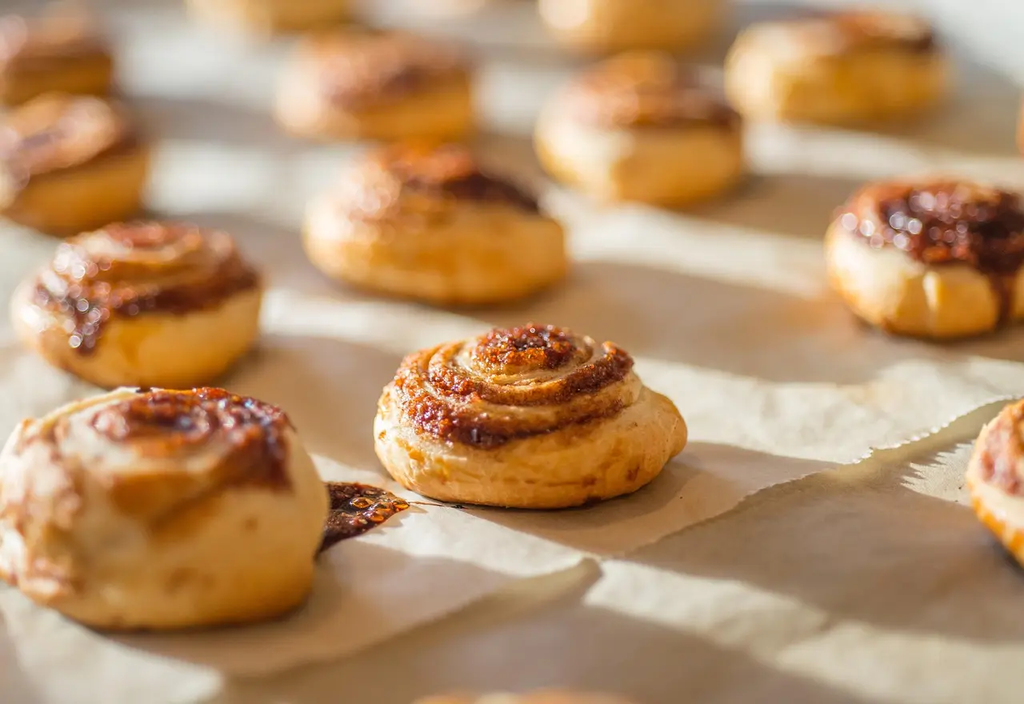
Laminated dough is dough folded with fat to create many thin layers. When baked, steam from the fat puffs the layers into a flaky texture, crucial for croissants and puff pastries. Key steps: keep ingredients cold, roll evenly, fold tightly, and chill between folds.
What is pâte à choux and what pastries use it?
Pâte à choux is a cooked dough made from water, butter, flour, and eggs. It dries into a light, hollow shell that can be filled or piped. Common uses include éclairs, cream puffs, and profiteroles.
How do you temper chocolate for a glossy, snap finish?
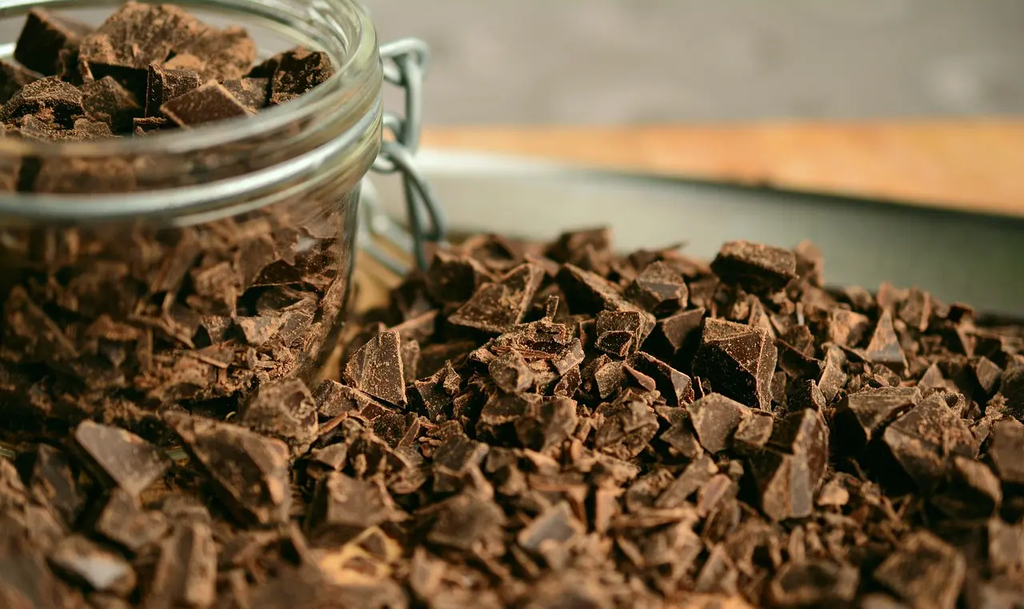
Tempering stabilizes cocoa butter crystals. Melt chocolate to about 45–50°C, cool to around 27–28°C, then re-warm to about 31–32°C. Use clean, dry utensils and avoid any moisture.
What are the key sugar-work temperatures used in caramel and brittle making?
Sugar work relies on precise temperatures: soft-ball stage (235–240°F / 113–116°C) for syrups and some fillings; hard-crack stage (300–310°F / 149–155°C) for brittle; caramelization begins around 340°F (170°C) for caramel. Use a candy thermometer and work safely.