Advanced Professional Video Editing refers to the high-level manipulation and enhancement of video content using specialized software and hardware. Experts in the field rely on various editing applications and gadgets to achieve cinematic results, employing tools for color grading, special effects, and audio synchronization. The phrase “Guess the Apps & Gadgets We Use Daily” implies a challenge to identify the industry-standard programs and devices, such as Adobe Premiere Pro, Final Cut Pro, DaVinci Resolve, and editing consoles or tablets.
Advanced Professional Video Editing
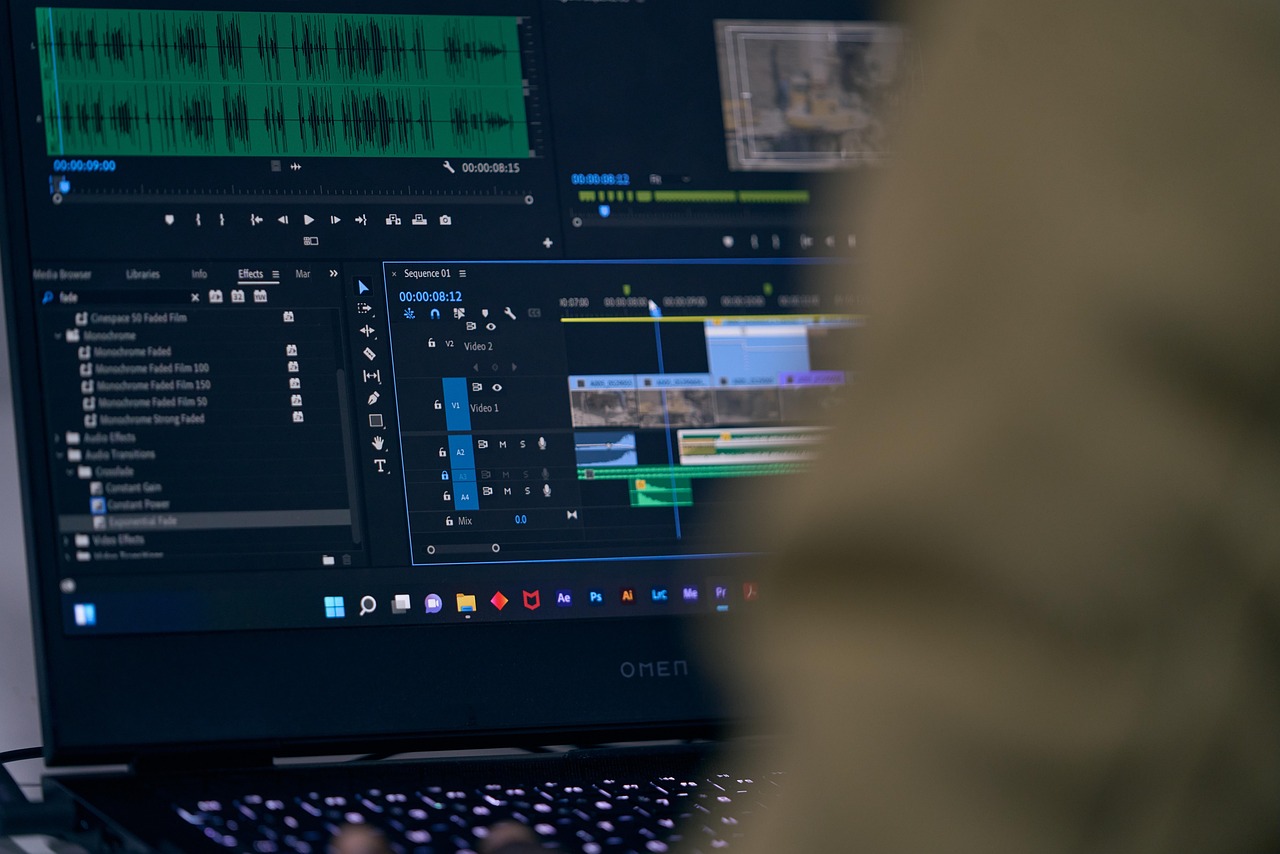
Advanced Professional Video Editing refers to the high-level manipulation and enhancement of video content using specialized software and hardware. Experts in the field rely on various editing applications and gadgets to achieve cinematic results, employing tools for color grading, special effects, and audio synchronization. The phrase “Guess the Apps & Gadgets We Use Daily” implies a challenge to identify the industry-standard programs and devices, such as Adobe Premiere Pro, Final Cut Pro, DaVinci Resolve, and editing consoles or tablets.
💡 Key Takeaways
- Master advanced timeline workflows for faster, more efficient editing
- Use professional color grading techniques to create consistent, cinematic looks
- Enhance audio quality with advanced mixing, noise reduction, and levels balancing
- Apply advanced effects and transitions while maintaining performance and sharpness
- Prepare exports using industry-standard settings for multiple platforms and resolutions
❓ Frequently Asked Questions
What does “advanced professional video editing” typically include?
It usually covers multi-track editing, advanced timeline workflows, color grading, audio cleanup, visual effects, motion graphics, and efficient exporting for different platforms.
What skills are most important for advanced editing workflows?
Strong proficiency with your editing software, accurate timeline management, audio/video synchronization, color correction/grades, and a solid understanding of codecs, formats, and deliverable specs.
How do color grading and color correction differ in professional editing?
Color correction fixes exposure/white balance and removes unwanted color casts, while color grading applies a creative look to match mood, style, or brand consistency.
Why is audio editing considered critical in professional video post-production?
Because clear, balanced audio improves viewer comprehension and immersion. Professionals often reduce noise, balance levels, and add appropriate music or sound effects.
What export settings matter most for final delivery?
The key factors are resolution, frame rate, codec/bitrate, audio format, and container. Professional workflows also ensure the export matches platform requirements and preserves quality.