Advanced Recording & Mixing Techniques in Performing Arts & Music refer to specialized methods and processes used to capture, enhance, and balance audio elements during music production. These techniques involve using state-of-the-art equipment, software, and creative approaches to achieve professional sound quality. They include multi-track recording, signal processing, effects application, and precise audio editing, enabling artists and producers to shape the final sound, ensuring clarity, depth, and artistic expression in musical performances.
Advanced Recording & Mixing Techniques
Advanced Recording & Mixing Techniques in Performing Arts & Music refer to specialized methods and processes used to capture, enhance, and balance audio elements during music production. These techniques involve using state-of-the-art equipment, software, and creative approaches to achieve professional sound quality. They include multi-track recording, signal processing, effects application, and precise audio editing, enabling artists and producers to shape the final sound, ensuring clarity, depth, and artistic expression in musical performances.
💡 Key Takeaways
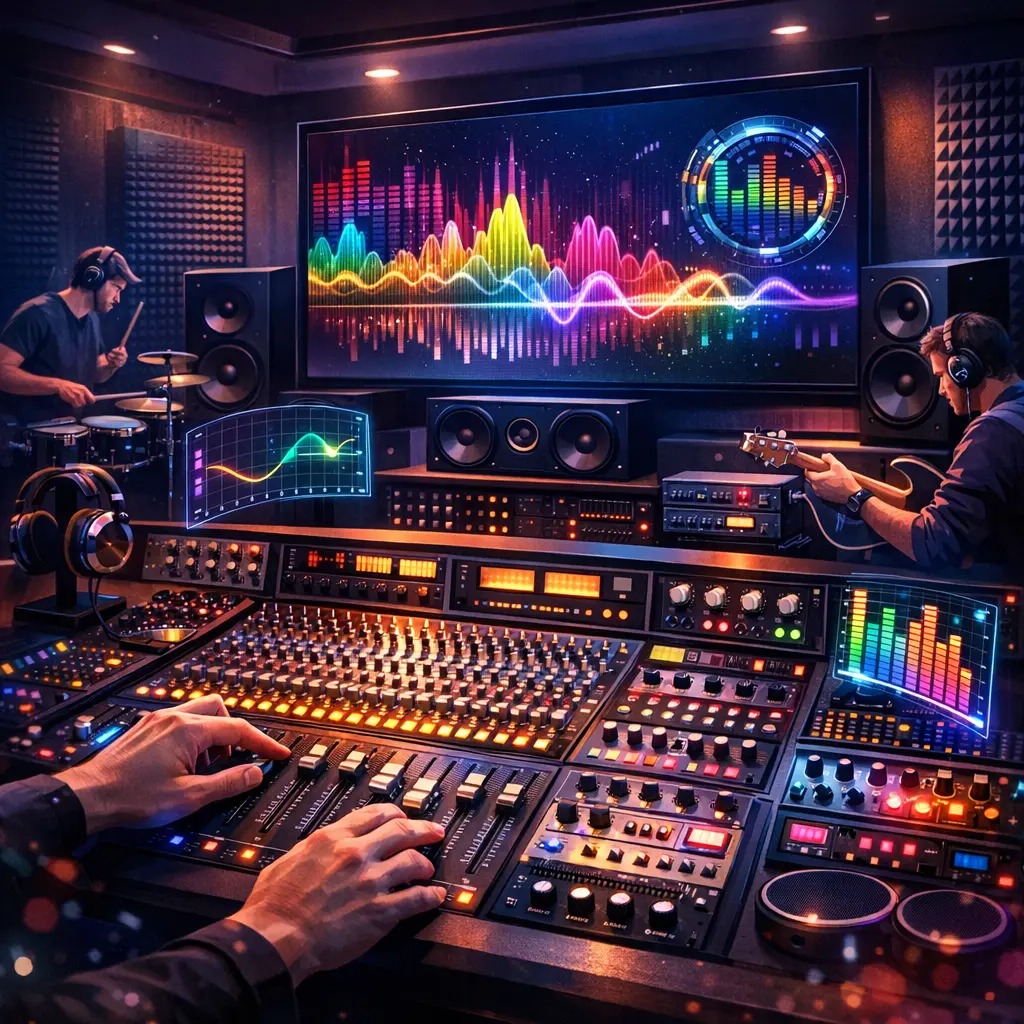
- Apply advanced microphone techniques and signal flow to capture high-quality tracks for vocals, drums, and guitars.
- Use parallel processing, bus compression, and creative effects to shape dynamics and space in a mix.
- Perform surgical and musical EQ, along with saturation and harmonic excitement, to sculpt a balanced mix without mud.
- Master automation, gain staging, and reference checking to ensure consistency and loudness across the track.
❓ Frequently Asked Questions
What is gain staging and why is it important in advanced recording & mixing?
Gain staging is setting levels at every stage to keep signal clean and avoid clipping while preserving headroom. Start with healthy input gains (peaks around -6 to -12 dBFS), keep track faders aligned, and match levels after plugins to maintain a consistent signal flow.
What is parallel compression and how do you set it up?
Parallel compression blends a heavily compressed copy of a signal with the dry signal to add punch without crushing transients. Create a parallel bus, route the source there, apply strong compression (high ratio, fast attack, moderate release), then blend wet/dry to taste and balance overall level.
What is bus processing and why use buses during mixing?
Buses group multiple tracks so you can process them together (e.g., gentle compression or EQ) to glue elements. This reduces individual processing and creates coherence. Route tracks to a bus, apply effects on the bus, then adjust the bus level relative to the mix.
What is sidechain compression and common uses in a mix?
Sidechain compression uses an external trigger (often a kick) to control a compressor on another element, creating space and a rhythmic 'pumping' effect. Route the trigger to the compressor's sidechain input, set threshold/ratio/attack, and dial in the desired amount of gain reduction.
What is harmonic saturation and how do you use it in mixing?
Harmonic saturation adds pleasant harmonics and perceived loudness. Use subtly on tracks or buses (drums, vocals, or the mix bus) to add warmth and glue. Adjust drive and mix/wet, and listen for naturalness and headroom.