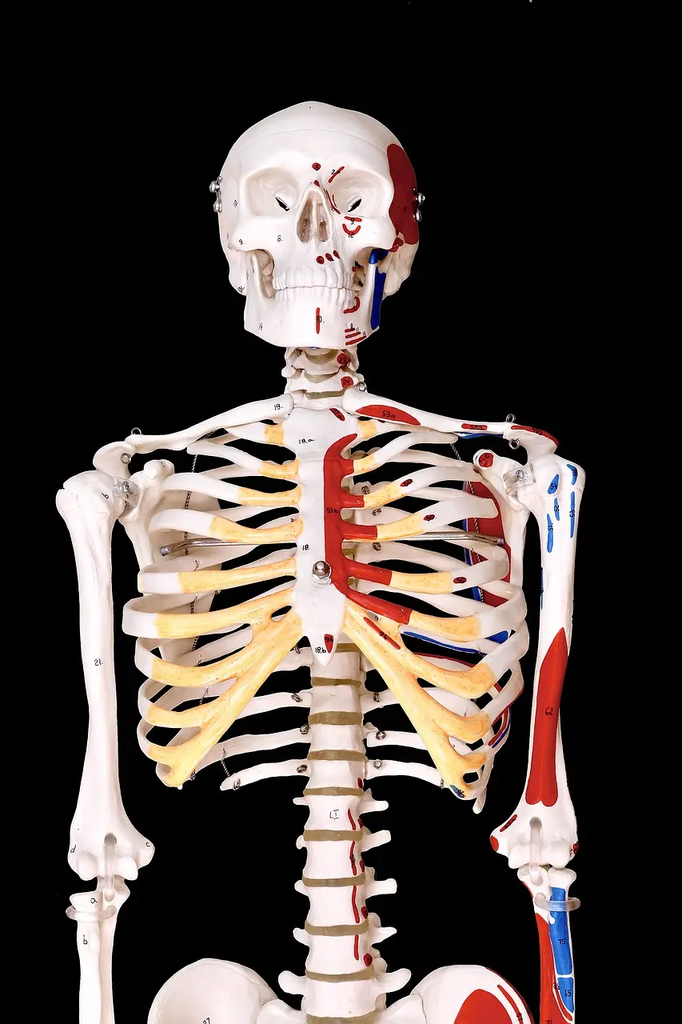
Advanced Respiratory Physiology explores the complex mechanisms involved in human breathing beyond basic concepts. It examines how the lungs, airways, and respiratory muscles work together to facilitate gas exchange, regulate blood pH, and respond to changing oxygen demands. This field also covers neural and chemical controls of respiration, adaptations during exercise or disease, and how the body maintains efficient oxygen and carbon dioxide transport under various physiological conditions.
Advanced Respiratory Physiology
Advanced Respiratory Physiology explores the complex mechanisms involved in human breathing beyond basic concepts. It examines how the lungs, airways, and respiratory muscles work together to facilitate gas exchange, regulate blood pH, and respond to changing oxygen demands. This field also covers neural and chemical controls of respiration, adaptations during exercise or disease, and how the body maintains efficient oxygen and carbon dioxide transport under various physiological conditions.
💡 Key Takeaways
- Explain the principles of alveolar gas exchange, diffusion across the alveolar-capillary membrane, and factors that influence diffusion capacity.
- Describe how the respiratory centers and chemoreceptors regulate ventilation in response to CO2, O2, and pH changes.
- Understand the oxyhemoglobin dissociation curve and how factors such as pH, temperature, and 2,3-BPG shift it, affecting oxygen delivery.
- Analyze ventilation-perfusion (V/Q) matching and how mismatches alter arterial blood gases and clinical outcomes.
❓ Frequently Asked Questions
What is the primary function of the respiratory system in advanced physiology?
To exchange O2 and CO2 to meet metabolic needs and maintain acid–base balance; this involves coordinated ventilation, diffusion, and perfusion.
How do central and peripheral chemoreceptors regulate breathing?
Central chemoreceptors in the medulla respond to CO2 via CSF pH and increase ventilation when CO2 rises; peripheral chemoreceptors in the carotid bodies respond to low O2, high CO2, or low pH and adjust rate and depth.
What is ventilation-perfusion (V/Q) matching and why is it important?
V is alveolar ventilation and Q is pulmonary blood flow; matching optimizes gas exchange; mismatch can cause hypoxemia or hypercapnia (e.g., PE lowers Q; airway obstruction lowers V).
What factors influence gas transfer across the alveolar membrane?
Gas transfer depends on surface area, membrane thickness, diffusion properties, and blood flow; disease that thickens or damages the barrier reduces O2/CO2 transfer.