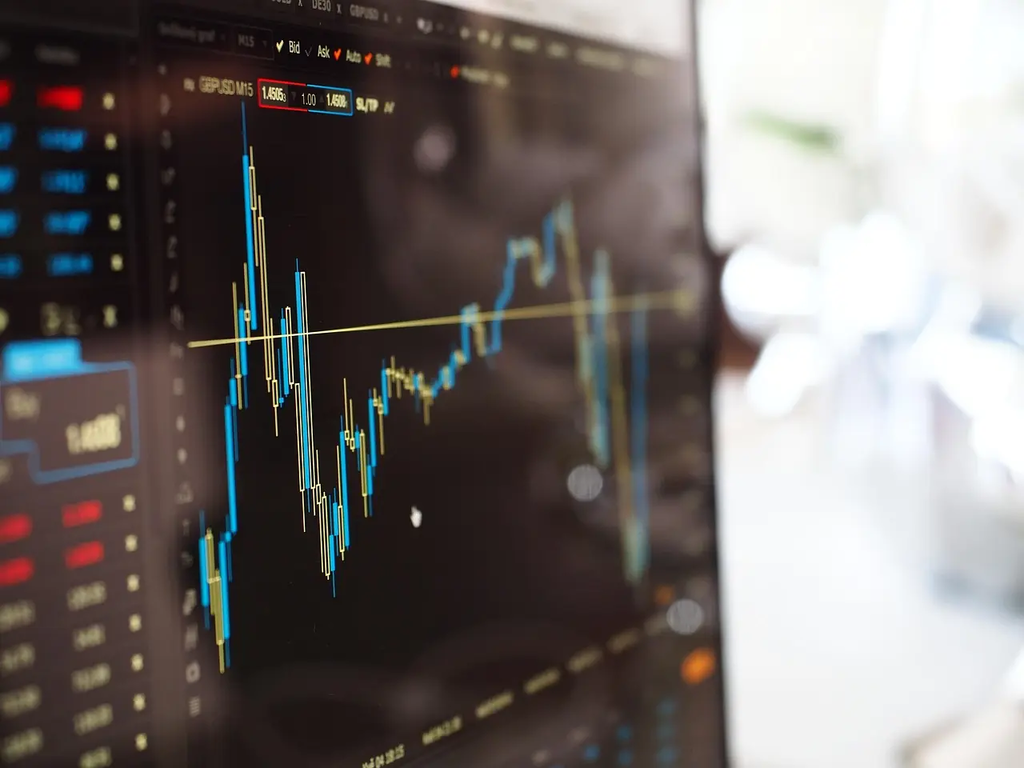
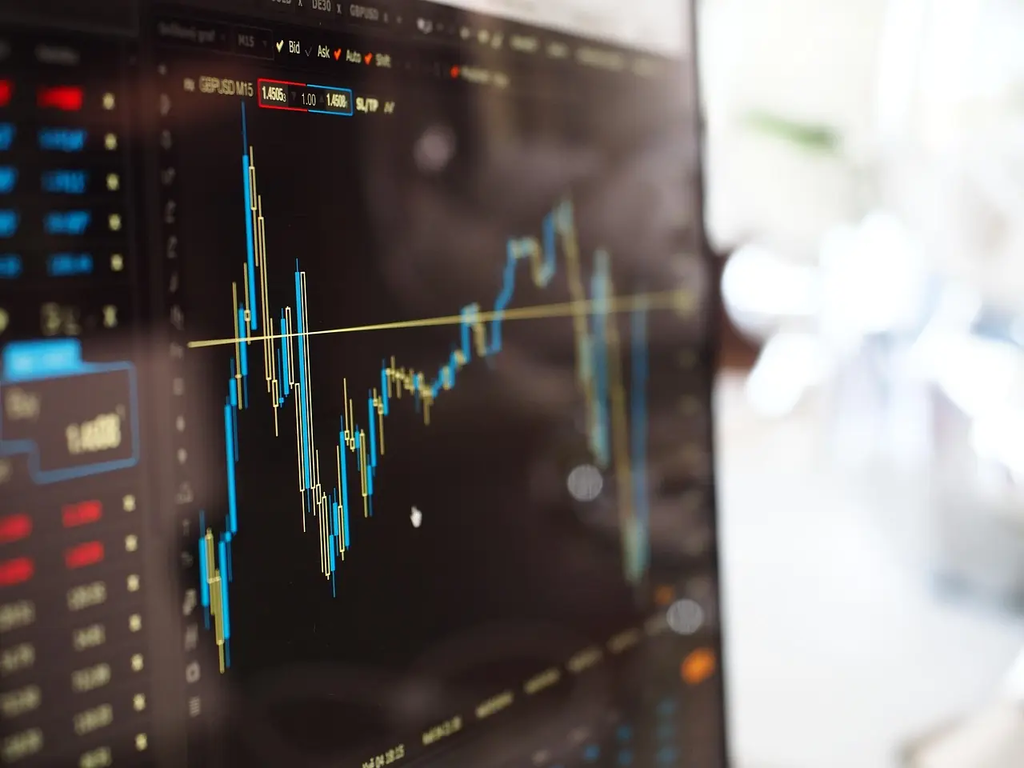
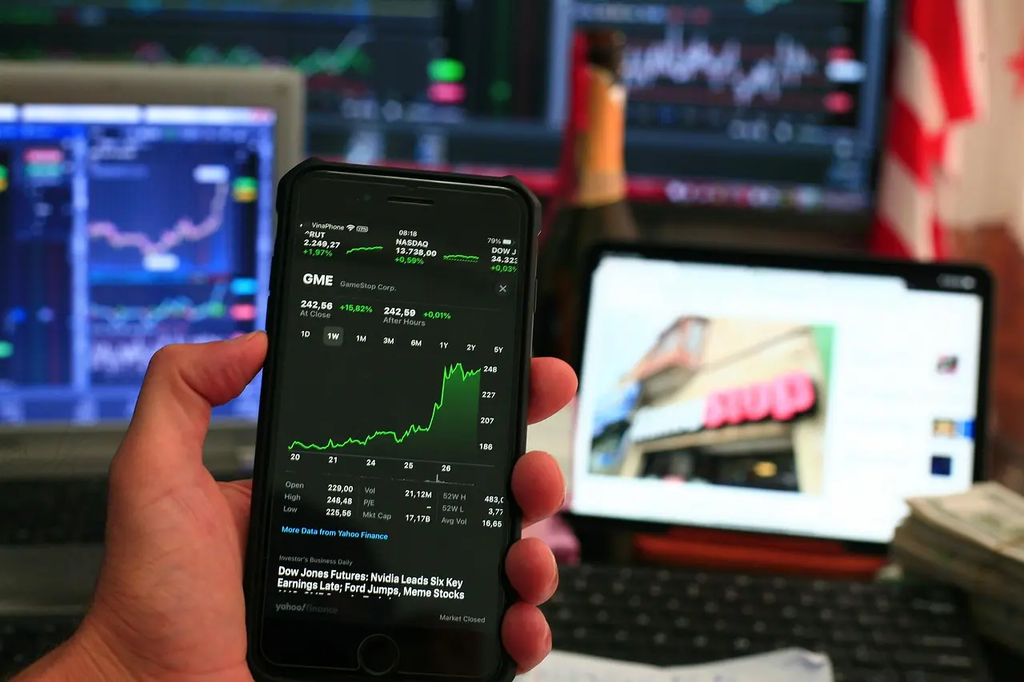
Advanced Stock Market Simulation Models for US Stock Markets are sophisticated computational tools designed to replicate the complex dynamics of real-world stock trading environments. These models incorporate factors such as price fluctuations, trading volumes, market sentiment, and economic indicators. They are used for testing trading strategies, risk management, and educational purposes, allowing users to experience realistic market scenarios without financial risk, and to analyze potential outcomes based on historical or hypothetical data.
Advanced Stock Market Simulation Models
Advanced Stock Market Simulation Models for US Stock Markets are sophisticated computational tools designed to replicate the complex dynamics of real-world stock trading environments. These models incorporate factors such as price fluctuations, trading volumes, market sentiment, and economic indicators. They are used for testing trading strategies, risk management, and educational purposes, allowing users to experience realistic market scenarios without financial risk, and to analyze potential outcomes based on historical or hypothetical data.
💡 Key Takeaways
- Understand the core components of advanced stock market simulations (stochastic processes, agent-based models, and order flow).
- Learn to calibrate simulation parameters (volatility, drift, correlations) to historical data and market expectations.
- Explore backtesting and performance metrics to evaluate accuracy across different market regimes.
- Model market microstructure with liquidity, transaction costs, and slippage to reflect realistic trading conditions.
❓ Frequently Asked Questions
What is a stock market simulation model?
A computational tool that mimics stock price movements and market dynamics so you can test trading ideas without using real money.
What features distinguish an advanced model from a simple one?
Advanced models include multi-factor drivers, stochastic volatility, regime changes, liquidity and transaction costs, and careful calibration/validation against data.
How are advanced stock market simulations used?
For backtesting strategies, assessing risk, optimizing portfolios, and performing scenario or stress testing.
What are common methods in these simulations?
Monte Carlo simulations, agent-based models, and stochastic process approaches (e.g., geometric Brownian motion with volatility models).
What are typical limitations to watch for?
Model risk from incorrect assumptions, data quality issues, overfitting, computational cost, and the risk that past patterns won’t repeat.