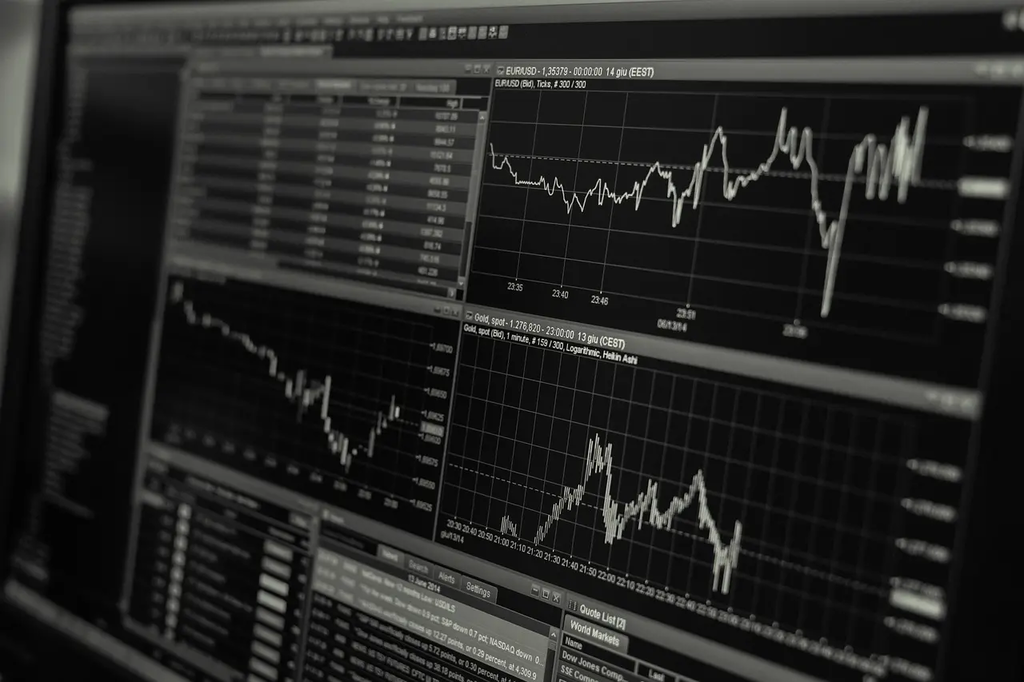
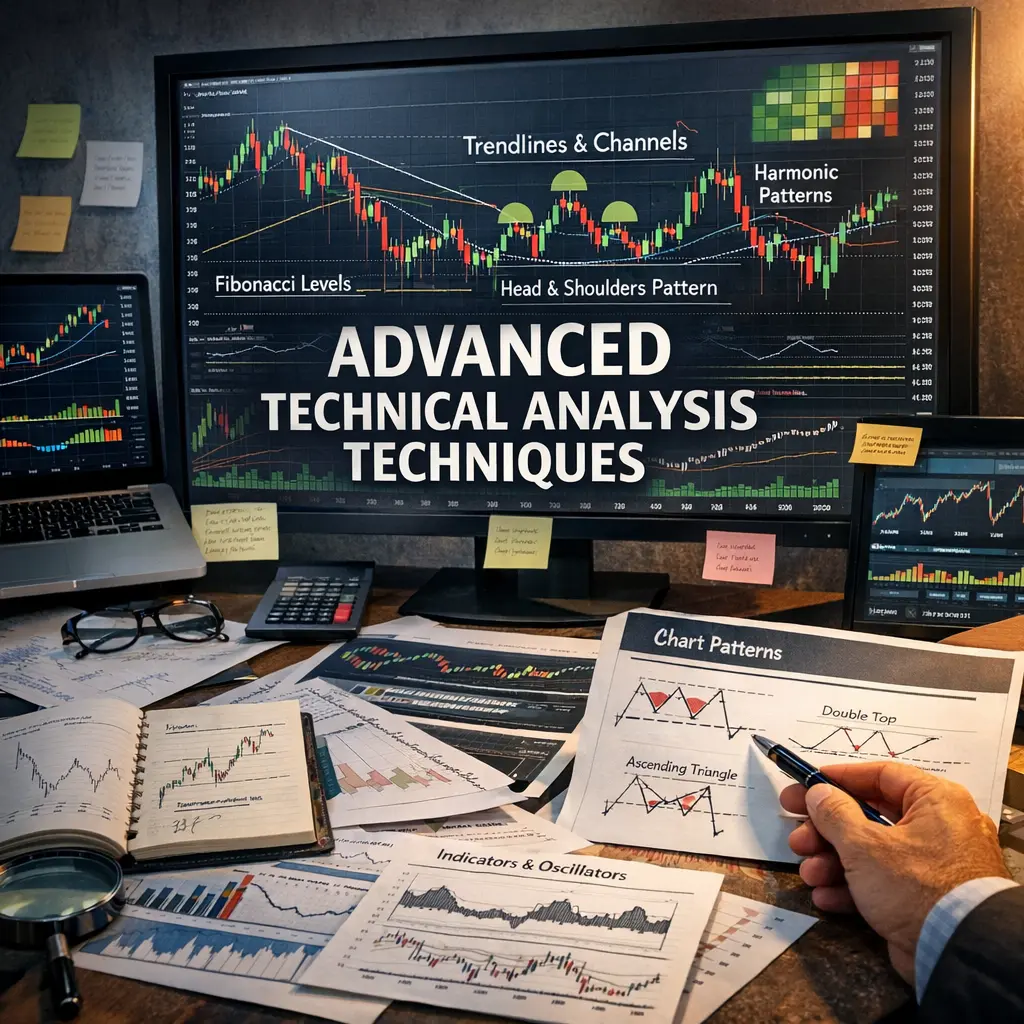
Advanced Technical Analysis Techniques in US Stock Markets involve sophisticated methods to evaluate securities and forecast price movements. These include the use of complex chart patterns, indicators like Bollinger Bands and MACD, Elliott Wave Theory, Fibonacci retracements, and algorithmic trading strategies. Traders analyze historical price data, volume, and market sentiment to identify trends, reversals, and optimal entry or exit points, aiming to enhance returns and manage risks effectively.
Advanced Technical Analysis Techniques
Advanced Technical Analysis Techniques in US Stock Markets involve sophisticated methods to evaluate securities and forecast price movements. These include the use of complex chart patterns, indicators like Bollinger Bands and MACD, Elliott Wave Theory, Fibonacci retracements, and algorithmic trading strategies. Traders analyze historical price data, volume, and market sentiment to identify trends, reversals, and optimal entry or exit points, aiming to enhance returns and manage risks effectively.
💡 Key Takeaways
- Identify and interpret advanced chart patterns and indicators to spot high-probability trade setups.
- Apply multi-timeframe analysis and momentum/volatility tools (e.g., MACD, RSI, ATR) to time entries and exits.
- Develop and validate technical trading strategies with risk management, including stop-loss placement and appropriate position sizing.
- Understand the limits and biases of technical analysis and know when to incorporate fundamental or macro factors.
❓ Frequently Asked Questions
What is the goal of advanced technical analysis techniques?
To increase the odds of successful trades by using context, multiple tools, and robust setups, while prioritizing risk management over precise predictions.
How does multi-timeframe analysis and signal confluence improve trading decisions?
Check trend and key levels on a higher timeframe, then look for confirmed signals on the entry timeframe. When several tools agree, signals are more reliable.
Which advanced chart patterns and indicators are commonly used, and how should they be interpreted?
Patterns like triangles, flags, and head-and-shoulders hint at breakouts or reversals; indicators such as MACD, RSI, and volume help confirm momentum and divergences; use them with price action.
How should you incorporate backtesting and risk management into advanced technical analysis?
Backtest strategies on historical data to estimate performance, then validate with forward testing; apply risk controls such as position sizing and stop-loss rules to protect capital.