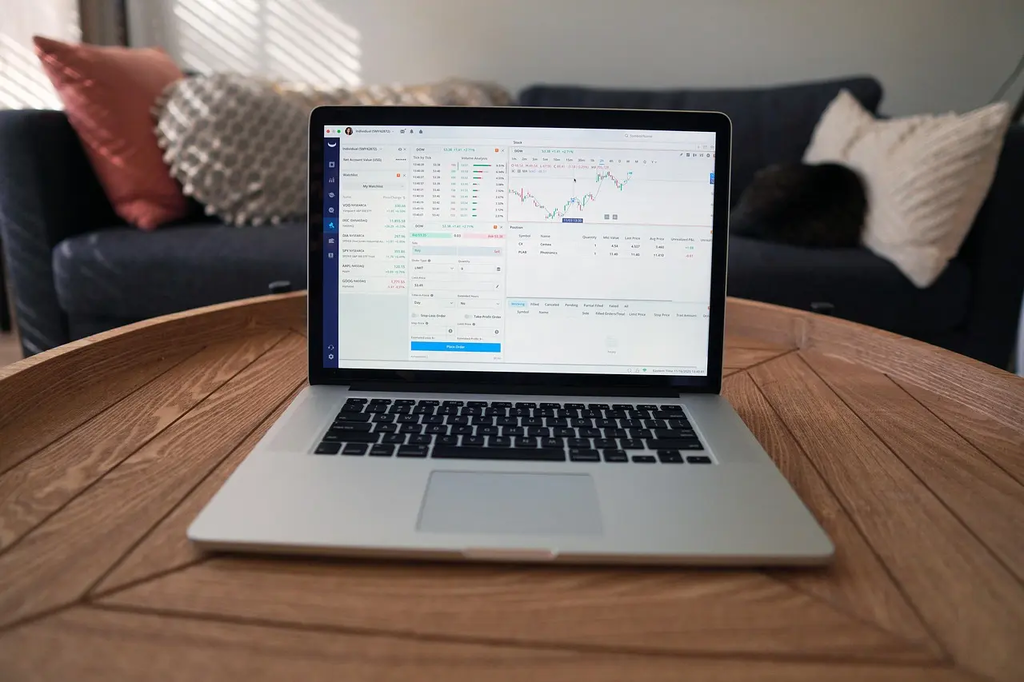
Advanced techniques in stock market sentiment analysis for US stock markets involve leveraging machine learning, natural language processing, and big data analytics to interpret and quantify investor emotions from diverse sources such as news articles, social media, and financial reports. These sophisticated methods help identify market trends, predict price movements, and enhance trading strategies by providing deeper insights into public sentiment and its impact on stock performance.
Advanced Techniques in Stock Market Sentiment Analysis
Advanced techniques in stock market sentiment analysis for US stock markets involve leveraging machine learning, natural language processing, and big data analytics to interpret and quantify investor emotions from diverse sources such as news articles, social media, and financial reports. These sophisticated methods help identify market trends, predict price movements, and enhance trading strategies by providing deeper insights into public sentiment and its impact on stock performance.
💡 Key Takeaways
- Identify major sentiment data sources (news headlines, social media, and earnings calls) and how they influence stock moves.
- Apply simple NLP techniques to convert text into sentiment scores and interpret their market significance.
- Combine sentiment signals with price and volume data to form a basic, backtestable trading idea.
- Recognize common biases and limitations in sentiment analysis and learn mitigation approaches.
❓ Frequently Asked Questions
What is stock market sentiment analysis?
It's the process of measuring investors' mood about the market or a stock using data like news, social media, and market indicators to gauge optimism or fear.
What data sources are commonly used to gauge sentiment?
News headlines, social media posts, earnings calls, polls, options data (put/call ratios), and search trends.
How is sentiment quantified in practice?
Text data is analyzed with NLP to assign sentiment scores (positive/negative/neutral) and then aggregated into a sentiment index.
What should you keep in mind when using sentiment analysis for investing?
Sentiment is noisy and can lag price moves. Use it as a complement to fundamentals and technicals, watch for biases, and avoid relying on a single data source.