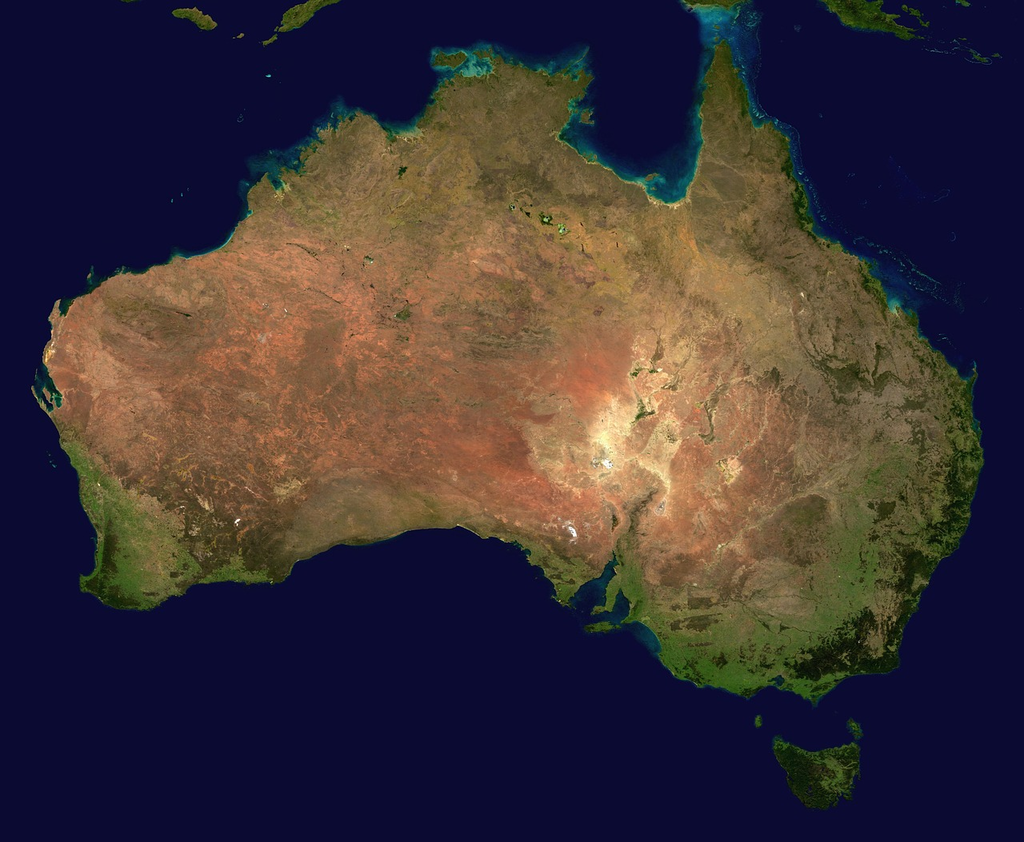
Advanced Topographic Inference (Visual Challenge Vault) refers to a sophisticated process or system designed to analyze and interpret complex surface features, elevation, and terrain data. Utilizing advanced algorithms, visual tools, or machine learning, this approach tackles intricate visual challenges in understanding geographic patterns and landforms. The “Vault” suggests a repository or collection of particularly difficult visual tasks centered on topographic inference, emphasizing both the complexity and specialized expertise required to solve them.
Advanced Topographic Inference
Advanced Topographic Inference (Visual Challenge Vault) refers to a sophisticated process or system designed to analyze and interpret complex surface features, elevation, and terrain data. Utilizing advanced algorithms, visual tools, or machine learning, this approach tackles intricate visual challenges in understanding geographic patterns and landforms. The “Vault” suggests a repository or collection of particularly difficult visual tasks centered on topographic inference, emphasizing both the complexity and specialized expertise required to solve them.

💡 Key Takeaways
- Interpret complex terrain and elevation patterns from topographic and visual surface data
- Apply advanced inference techniques to deduce landform structure from contour or elevation cues
- Use visual tools to analyze gradients, slopes, and feature boundaries more accurately
- Understand how machine learning and algorithms can improve detection of terrain features and anomalies
- Evaluate and validate inferred topographic results against reference or expected outcomes
❓ Frequently Asked Questions
What does “advanced topographic inference” mean?
It refers to using terrain data (like elevation and landforms) to make higher-level interpretations about landscapes, such as drainage patterns, slope behavior, and likely geological or hydrological processes.
What types of data are typically used for topographic inference?
Common inputs include Digital Elevation Models (DEMs), contour lines, slope and aspect layers, hillshade, and sometimes additional datasets like imagery or geologic maps to support interpretation.
How do slope and aspect help with topographic inference?
Slope indicates steepness and potential flow or erosion behavior, while aspect shows the direction a slope faces—both are key for predicting processes like runoff, vegetation patterns, and solar exposure.
How are drainage networks identified from topography?
By analyzing flow direction and accumulation from DEMs to delineate channels, watersheds, and runoff pathways that follow the steepest gradient and terrain shape.
What is a common challenge in topographic inference?
Terrain artifacts and resolution limits in elevation data can introduce errors, so results often require validation and careful preprocessing (e.g., smoothing, filling sinks).