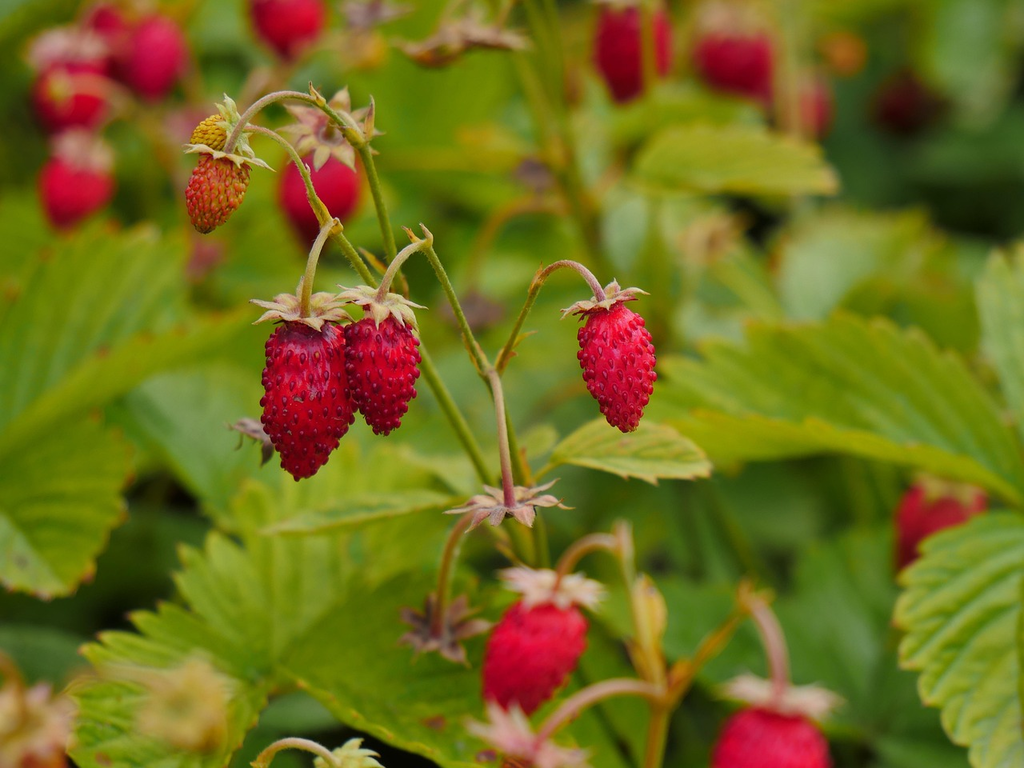
Advanced Vegetable Cultivation (Healthy Habits & Superfoods) refers to modern, innovative techniques used to grow nutrient-rich vegetables that promote health and well-being. This approach emphasizes sustainable practices, optimal soil management, and the selection of superfoods—vegetables known for their high nutritional value. By integrating healthy habits such as regular consumption and mindful preparation, this method supports a balanced diet and enhances overall wellness through superior vegetable quality.
Advanced Vegetable Cultivation
Advanced Vegetable Cultivation (Healthy Habits & Superfoods) refers to modern, innovative techniques used to grow nutrient-rich vegetables that promote health and well-being. This approach emphasizes sustainable practices, optimal soil management, and the selection of superfoods—vegetables known for their high nutritional value. By integrating healthy habits such as regular consumption and mindful preparation, this method supports a balanced diet and enhances overall wellness through superior vegetable quality.
💡 Key Takeaways
- Understand soil health and fertility management for vegetables to maximize yield and quality
- Optimize irrigation and drainage for water-efficient, high-yield vegetable crops
- Apply integrated pest management and disease prevention tailored to vegetables
- Use advanced cultivation techniques such as trellising, pruning, and season extension to boost yield and quality
❓ Frequently Asked Questions
What is advanced vegetable cultivation?
Advanced vegetable cultivation uses science-based practices to boost yield and quality, including soil health, precise nutrition, pest management, and controlled environments.
How does soil testing guide nutrient management?
Soil tests reveal pH and nutrient levels, helping tailor fertilizer type and rate to crop needs and prevent deficiencies or nutrient imbalances.
What irrigation strategies are used in advanced vegetable production?
Common strategies include drip irrigation, fertigation, and schedule-based irrigation guided by evapotranspiration and soil moisture sensors to save water and maintain root-zone moisture.
What is Integrated Pest Management (IPM) and why is it important?
IPM combines monitoring, action thresholds, cultural practices, biological controls, and targeted pesticides to manage pests with minimal environmental impact.
How do crop rotation and variety selection contribute to success?
Rotation reduces disease and pest pressure and improves soil health, while selecting appropriate, resistant varieties matches climate, season, and market needs.