Aerogels and superinsulating materials are advanced substances known for their extremely low densities and exceptional thermal insulation properties. Aerogels, often called "frozen smoke," are composed mostly of air, making them lightweight yet highly effective at preventing heat transfer. Superinsulating materials, including aerogels, are used in scientific, industrial, and aerospace applications to minimize energy loss, improve efficiency, and provide superior protection against extreme temperatures.
Aerogels and Superinsulating Materials
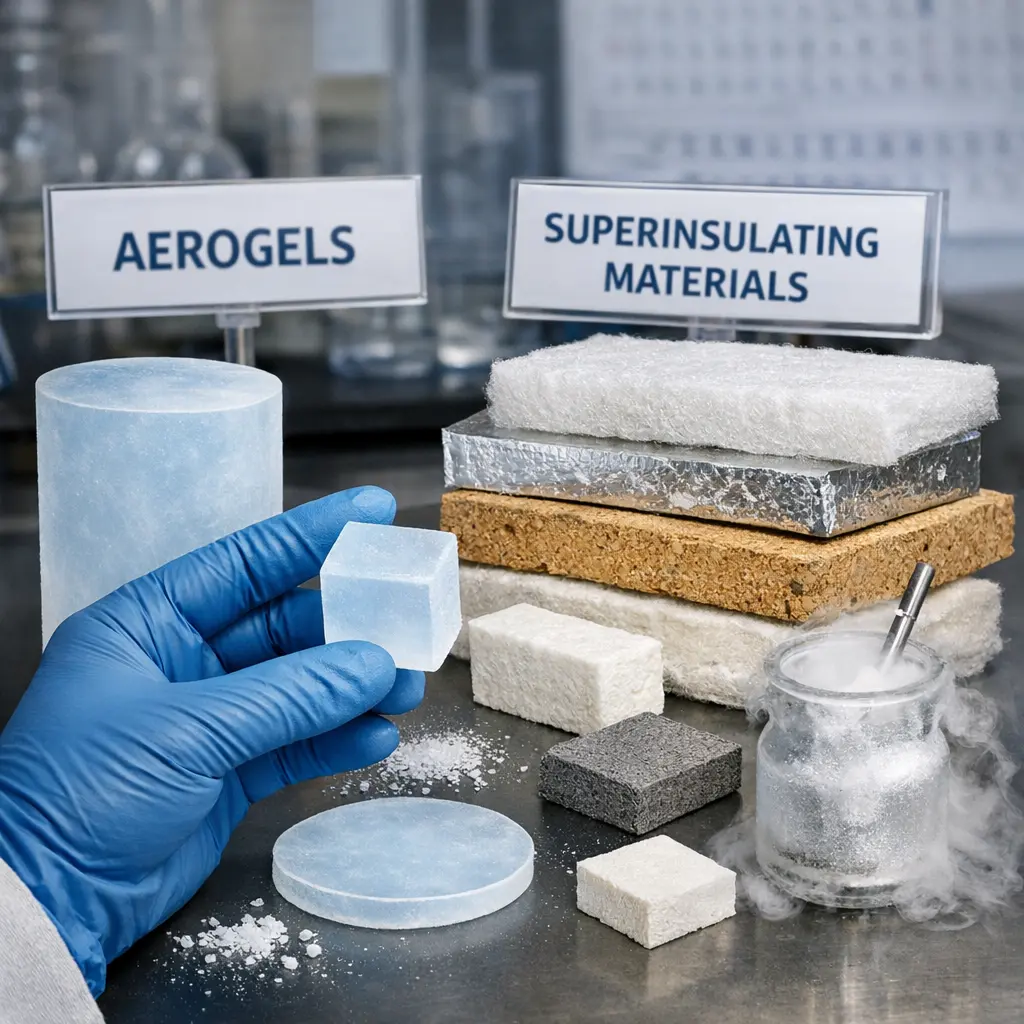
Aerogels and superinsulating materials are advanced substances known for their extremely low densities and exceptional thermal insulation properties. Aerogels, often called "frozen smoke," are composed mostly of air, making them lightweight yet highly effective at preventing heat transfer. Superinsulating materials, including aerogels, are used in scientific, industrial, and aerospace applications to minimize energy loss, improve efficiency, and provide superior protection against extreme temperatures.
💡 Key Takeaways
- Understand what aerogels are and why they offer exceptional thermal insulation (high porosity, low density).
- Explain how their porous network minimizes heat transfer through conduction, convection, and radiation.
- Compare aerogels with traditional insulation materials in terms of performance, weight, moisture sensitivity, and cost.
- Identify common applications and practical considerations for using aerogels in buildings, aerospace, and industrial settings.
❓ Frequently Asked Questions
What is an aerogel?
A highly porous solid with most of its volume filled by air. It’s made by replacing the liquid in a gel with gas, yielding a very lightweight material (common types include silica, carbon, and metal oxide aerogels).
How do aerogels provide superinsulation?
Their nanometer-scale pore structure traps air and minimizes heat transfer by conduction and convection. They also reduce radiative heat transfer, giving very low thermal conductivity (roughly 0.013–0.030 W/mK for silica aerogels).
Where are aerogel insulations commonly used?
Building insulation (panels, blankets), pipe/duct insulation, cryogenic applications, and space exploration equipment due to their excellent insulation properties.
What are common pros and cons of aerogel insulation?
Pros: very low thermal conductivity, light weight, flexible form factors. Cons: higher cost, brittleness, and some variants can be moisture sensitive or dusty when cut.