African Drumming & Dance Traditions encompass a rich heritage of rhythmic music and expressive movement, integral to cultural ceremonies, storytelling, and community bonding across Africa. These traditions feature diverse drums, such as djembes and talking drums, accompanied by energetic dances that reflect local customs and histories. Performances often involve call-and-response patterns, vibrant costumes, and communal participation, highlighting the deep connection between music, dance, and daily life in African societies.
African Drumming & Dance Traditions
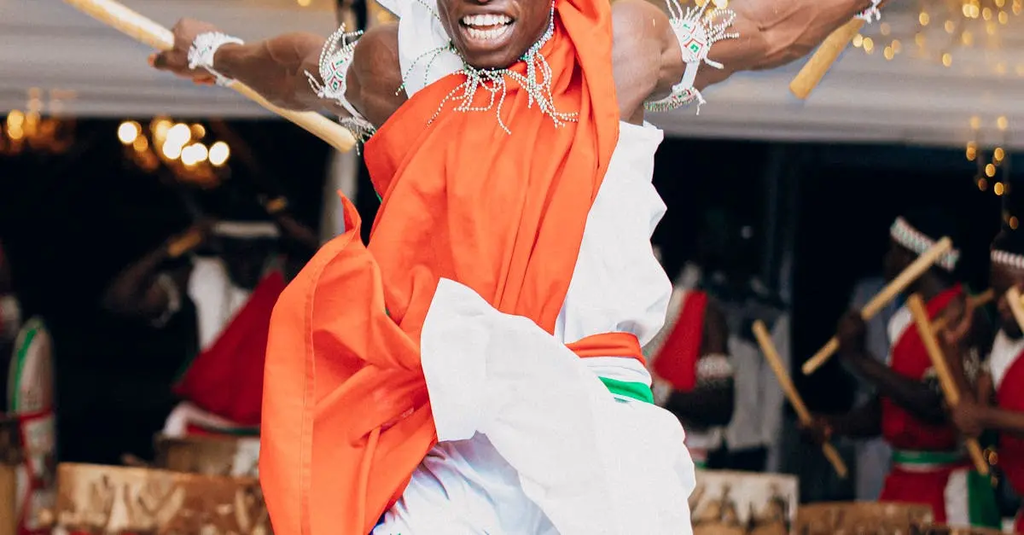
African Drumming & Dance Traditions encompass a rich heritage of rhythmic music and expressive movement, integral to cultural ceremonies, storytelling, and community bonding across Africa. These traditions feature diverse drums, such as djembes and talking drums, accompanied by energetic dances that reflect local customs and histories. Performances often involve call-and-response patterns, vibrant costumes, and communal participation, highlighting the deep connection between music, dance, and daily life in African societies.
💡 Key Takeaways
- Identify common African drums (e.g., djembe, talking drum) and their roles in traditional performances
- Understand how rhythm, polyrhythm, and call-and-response drive African dance
- Describe the cultural contexts of drumming—ceremonies, storytelling, and community gatherings
- Recognize basic drum patterns and tempo changes used in African drumming styles
❓ Frequently Asked Questions
What are some common African drums used in traditional music?
Common instruments include the djembe (West Africa), the talking drum, the dunun family, and the sabar; many regions also use frame drums and local percussion.
What is polyrhythm and why is it central to African drumming?
Polyrhythm means layering multiple independent rhythms at once, creating complex grooves that interlock and drive the music and dance.
How are dance and drumming connected in African traditions?
Drums set the tempo and cues; dancers improvise and respond to the rhythms, with movements often telling a story and involving the community through call-and-response.
What roles do drumming and dance play in ceremonies and celebrations?
They coordinate communal activities, mark rites of passage, celebrate harvests or rituals, and help connect people with heritage, ancestors, and shared identity.