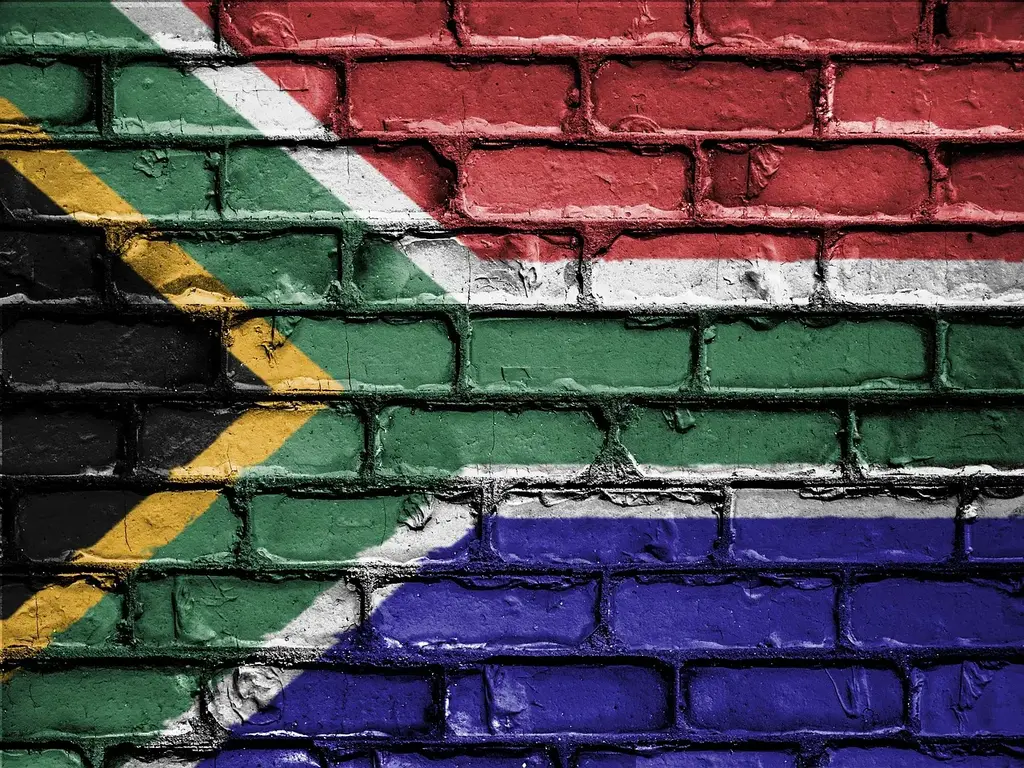
African geography encompasses a vast and diverse continent, featuring deserts like the Sahara, rainforests, savannas, and major rivers such as the Nile and Congo. Each African nation is represented by a unique flag, often incorporating colors and symbols that reflect their history, culture, and natural environment. These flags frequently use green, yellow, red, and black, symbolizing unity, freedom, and the continent’s rich resources and heritage.
African Geography and Flags+50
African geography encompasses a vast and diverse continent, featuring deserts like the Sahara, rainforests, savannas, and major rivers such as the Nile and Congo. Each African nation is represented by a unique flag, often incorporating colors and symbols that reflect their history, culture, and natural environment. These flags frequently use green, yellow, red, and black, symbolizing unity, freedom, and the continent’s rich resources and heritage.
💡 Key Takeaways
- Identify major African geographic features (deserts, rainforests, savannas) and where they are located.
- Name Africa's major rivers (e.g., Nile and Congo) and explain their importance for people and ecosystems.
- See how flags use colors, symbols, and designs to reflect a nation's history, culture, and nature.
- Understand how regional geography (North Africa vs. Sub-Saharan Africa) influences climate, populations, and economies.
❓ Frequently Asked Questions
What are some of Africa's major geographic features?
Africa features deserts (the Sahara in the north, Kalahari in the south), vast savannas, tropical rainforests (Congo Basin), major rivers (Nile, Congo, Niger), large lakes, and mountain regions (Atlas, Ethiopian Highlands, Great Rift Valley).
What do colors in African flags commonly symbolize?
Colors often reflect meanings like red for struggle or independence, green for land or hope, gold for wealth or the sun, black for the people, blue for peace or water, and white for unity; many flags also use Pan-African red, black, and green.
How do African flags reflect a nation’s history and culture?
Flags use colors and symbols (emblems, stars, animals) to portray heritage, resources, values, and aspirations, linking national identity to historical events and cultural traditions.
Why are rivers like the Nile and Congo important to Africa?
Rivers provide water for farming, enable transport and trade, support biodiversity, power hydroelectric projects, and sustain cities along their banks, shaping economies and civilizations.