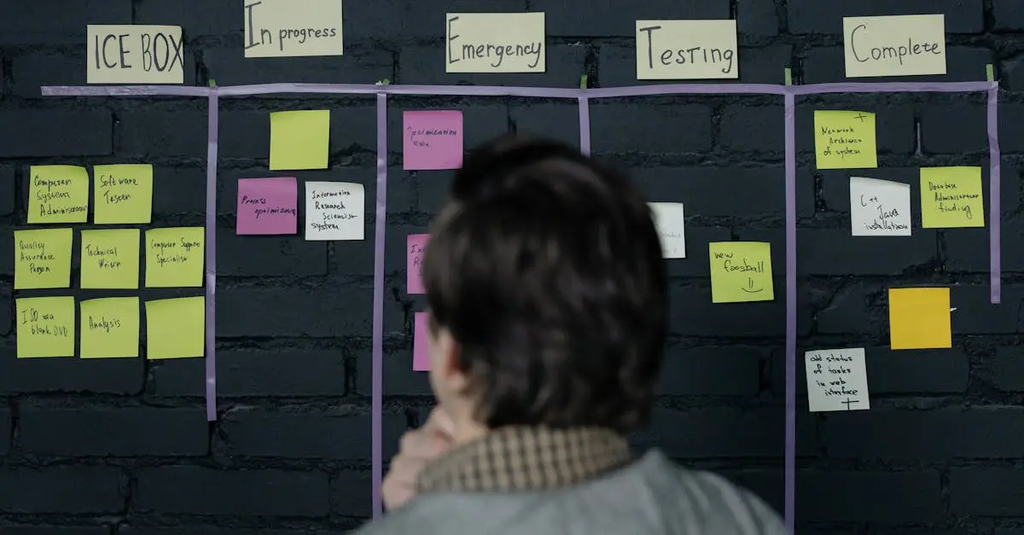
Agile Project Management is a flexible, iterative approach to managing projects, especially in software development. It emphasizes collaboration, customer feedback, and small, rapid releases to adapt to changing requirements. Teams work in short cycles called sprints, regularly reviewing progress and adjusting plans as needed. This method promotes transparency, continuous improvement, and faster delivery of high-quality products by encouraging communication and responsiveness throughout the project lifecycle.
Agile Project Management
Agile Project Management is a flexible, iterative approach to managing projects, especially in software development. It emphasizes collaboration, customer feedback, and small, rapid releases to adapt to changing requirements. Teams work in short cycles called sprints, regularly reviewing progress and adjusting plans as needed. This method promotes transparency, continuous improvement, and faster delivery of high-quality products by encouraging communication and responsiveness throughout the project lifecycle.
💡 Key Takeaways
- Understand Agile project management fundamentals and how it supports flexibility, collaboration, and customer value in business and entrepreneurship.
- Identify the sprint structure and core ceremonies (planning, daily stand-ups, reviews, and retrospectives) to keep teams aligned.
- Learn to deliver value in increments through small releases and frequent customer feedback.
- Master backlog management and prioritization to adapt to changing requirements and drive continuous improvement.
❓ Frequently Asked Questions
What is Agile Project Management?
A flexible, iterative approach to managing projects that emphasizes collaboration, customer feedback, and frequent small releases to adapt to changing needs.
What is a sprint in Agile?
A short, fixed time period (typically 1–4 weeks) in which the team plans, builds, and reviews a working product increment.
Why is customer feedback important in Agile?
It helps ensure the product meets real user needs, guiding priorities and improvements for upcoming iterations.
How does Agile handle changing requirements?
By embracing change, maintaining a prioritized backlog, and adjusting upcoming work to deliver the most valuable features.
What are common benefits of using Agile for software projects?
Faster value delivery, better collaboration, adaptability to change, and continuous learning through reviews and retrospectives.