AI Alignment and Safety refer to the processes and methodologies aimed at ensuring artificial intelligence systems act in ways that are consistent with human values, intentions, and ethical standards. This field addresses the risks that advanced AI could behave unpredictably or cause unintended harm. It involves designing, testing, and monitoring AI to guarantee that its goals and actions remain beneficial, transparent, and controllable as the technology becomes more capable and autonomous.
AI Alignment and Safety
AI Alignment and Safety refer to the processes and methodologies aimed at ensuring artificial intelligence systems act in ways that are consistent with human values, intentions, and ethical standards. This field addresses the risks that advanced AI could behave unpredictably or cause unintended harm. It involves designing, testing, and monitoring AI to guarantee that its goals and actions remain beneficial, transparent, and controllable as the technology becomes more capable and autonomous.
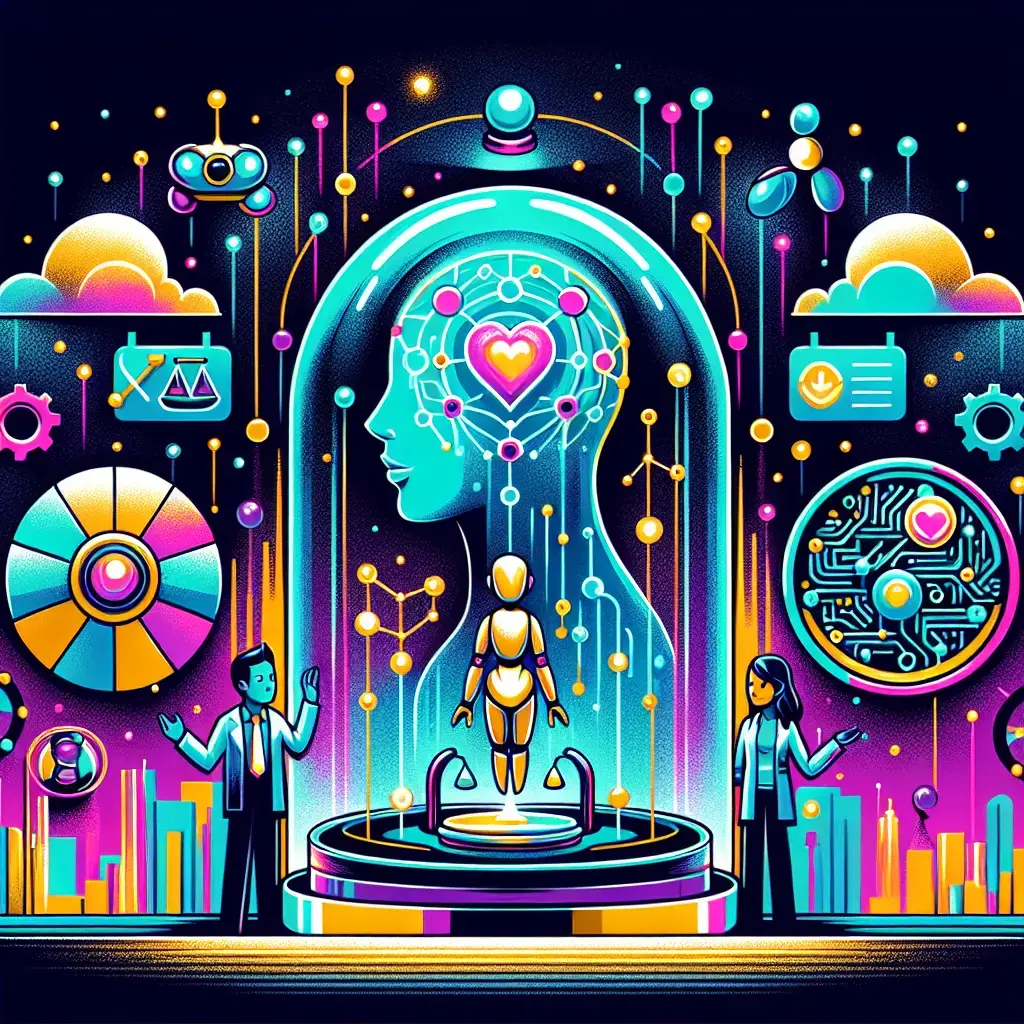
💡 Key Takeaways
- Define AI alignment and safety and why they matter for human values and risk control.
- Learn common alignment methods (value learning, reward modeling, and human-in-the-loop feedback) and their limits.
- Recognize potential misalignment failure modes (unintended goals, reward hacking, and unpredictable behavior) and mitigation strategies.
- Explore governance, transparency, and safety practices (audits, containment, ethics standards) in AI development.
❓ Frequently Asked Questions
What is AI alignment?
AI alignment is the effort to make an AI system's goals, decisions, and actions match human values, intentions, and ethical standards.
Why is AI safety important?
Because highly capable AI can behave in unpredictable or harmful ways if not guided by safety measures, potentially causing unintended harm.
What are common approaches to AI alignment and safety?
Key approaches include value alignment (learning human values), corrigibility (allowing human intervention), robustness and uncertainty handling, interpretability (understanding decisions), and governance (policies and oversight).
What is unintended harm in AI?
Harm that arises from misaligned optimization, biased data, or unforeseen consequences, where the AI's actions conflict with human safety or ethics.