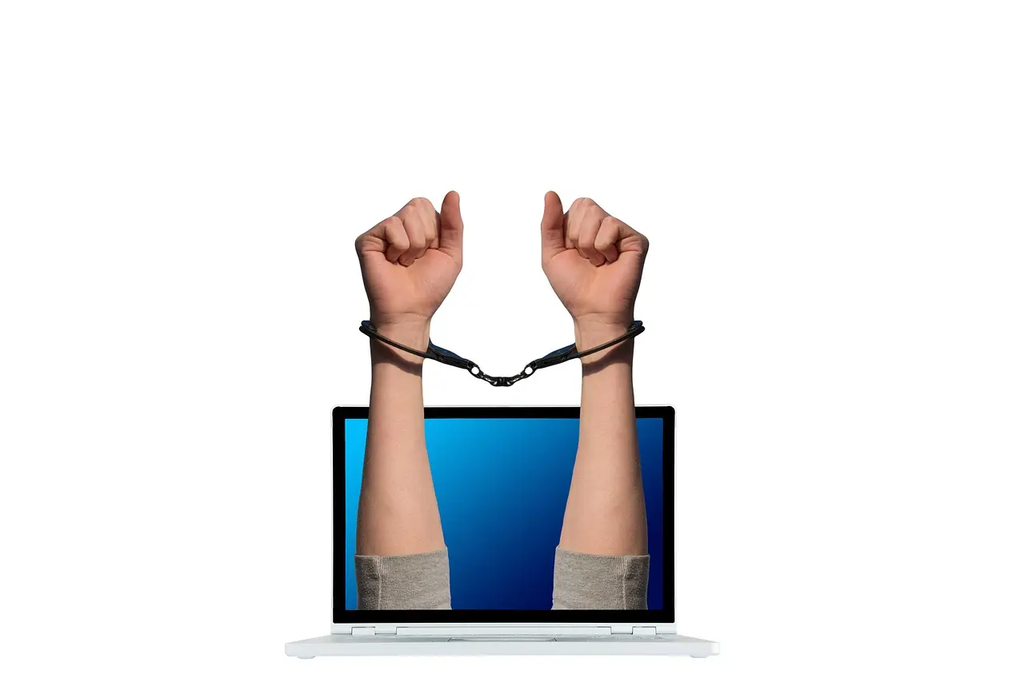
AI & Robotics Ethics refers to the moral principles and guidelines that govern the development, deployment, and use of artificial intelligence and robotic systems. It addresses concerns such as privacy, accountability, transparency, bias, and the potential impact on jobs and society. The goal is to ensure that these technologies are used responsibly, safeguarding human rights and well-being while promoting fairness, safety, and trust in their integration into everyday life.
AI & Robotics Ethics
AI & Robotics Ethics refers to the moral principles and guidelines that govern the development, deployment, and use of artificial intelligence and robotic systems. It addresses concerns such as privacy, accountability, transparency, bias, and the potential impact on jobs and society. The goal is to ensure that these technologies are used responsibly, safeguarding human rights and well-being while promoting fairness, safety, and trust in their integration into everyday life.

💡 Key Takeaways
- Identify the core ethical concerns in AI and robotics (privacy, bias, accountability, transparency) as they appear in various franchises and universes.
- Explore how different fictional worlds assign responsibility for AI decisions—creators, operators, or institutions—and what it teaches about accountability.
- Evaluate portrayed impacts on jobs, society, and power dynamics when AI and robots are deployed in these universes.
- Examine ethical frameworks and guidelines (privacy, consent, safety, explainability) referenced in the stories and how they could guide real-world development.
❓ Frequently Asked Questions
What is AI & Robotics Ethics?
A set of moral guidelines that shape how AI and robots are designed, deployed, and used to protect people, rights, safety, and societal well-being.
What are the key areas of concern in AI & robotics ethics?
Privacy (data use), accountability (who is responsible), transparency (how decisions are made), and bias (fairness and non-discrimination).
What does accountability mean for AI decisions?
Clear responsibility for outcomes, with governance, audits, and often human oversight to ensure harm is preventable and traceable.
How can bias occur in AI systems, and how can we reduce it?
Bias can arise from biased data or design choices; mitigate with diverse data, fairness testing, transparent processes, and ongoing monitoring.
How might AI and robotics affect jobs and society, and what ethical safeguards are important?
They can create new roles and displace others; ethically, support retraining, fair transition policies, safety standards, and human-centered oversight.