AI-driven NPCs and narrative systems in RPGs utilize artificial intelligence to create non-player characters that react dynamically to player choices, adapt their behaviors, and contribute to evolving storylines. This technology enables more immersive and personalized gameplay experiences, as NPCs can display complex emotions, remember past interactions, and influence the game’s narrative direction, resulting in richer, more engaging worlds that feel responsive and alive to each player's actions.
AI-Driven NPCs and Narrative Systems in RPGs
AI-driven NPCs and narrative systems in RPGs utilize artificial intelligence to create non-player characters that react dynamically to player choices, adapt their behaviors, and contribute to evolving storylines. This technology enables more immersive and personalized gameplay experiences, as NPCs can display complex emotions, remember past interactions, and influence the game’s narrative direction, resulting in richer, more engaging worlds that feel responsive and alive to each player's actions.
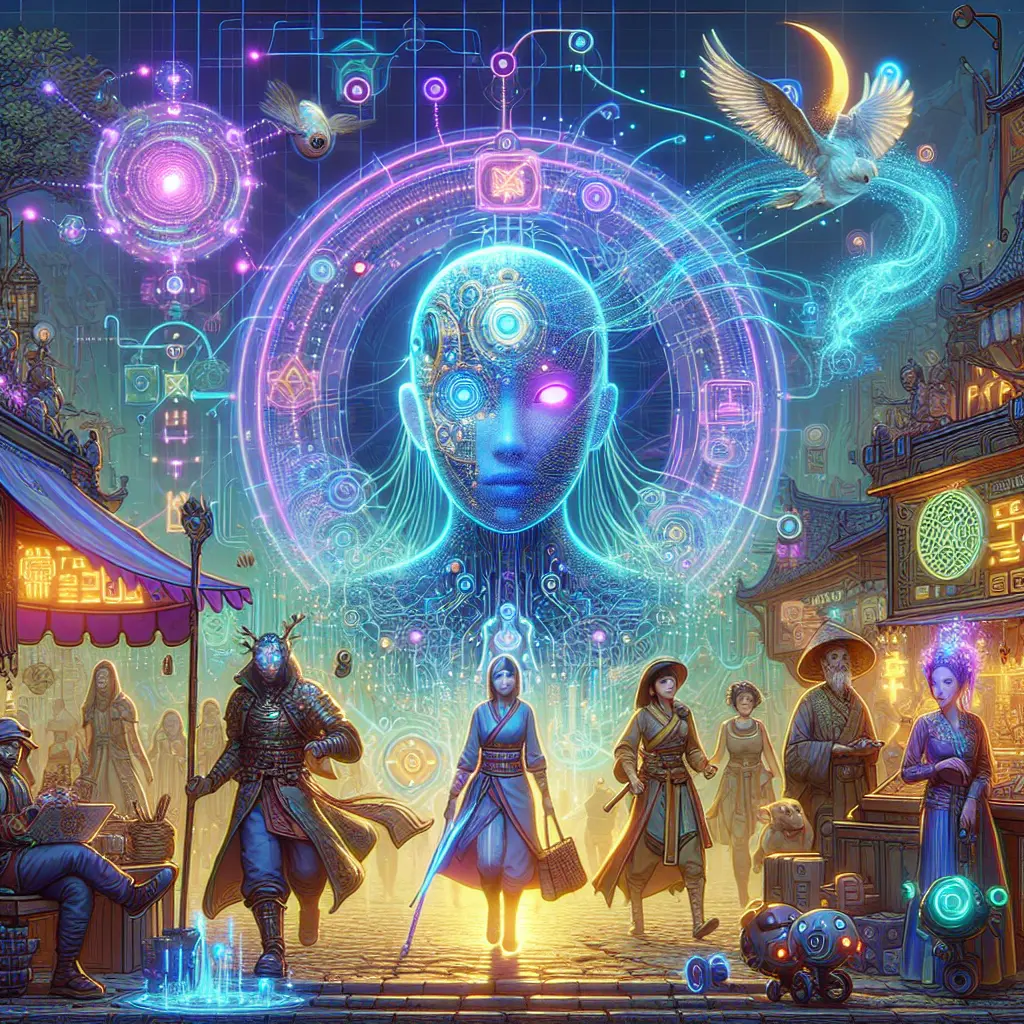
💡 Key Takeaways
- Understand how AI-driven NPCs react to player choices and influence the story
- Explain how NPCs adapt their behavior over time to create personalized gameplay
- Describe how AI-powered narrative systems enable evolving, branching storylines in RPGs
- Identify design considerations and potential challenges when implementing AI NPCs in games
❓ Frequently Asked Questions
What are AI-driven NPCs in RPGs?
Non-player characters powered by artificial intelligence that perceive player actions, adapt their behavior, and respond with dynamic dialogue and quests, enabling evolving relationships.
How do AI-driven narrative systems change story progression?
They adapt plots, questlines, and outcomes in real time based on player choices, world state, and character interactions, creating personalized, branching narratives.
What does NPC adaptability look like in practice?
NPCs adjust dialogue, loyalties, available missions, and even the tone of encounters depending on your past decisions and current game world status.
What are benefits and potential challenges of AI-driven NPCs?
Benefits include deeper immersion and replayability; challenges include maintaining coherence, resource demands, potential biases, and ensuring fair, engaging outcomes.