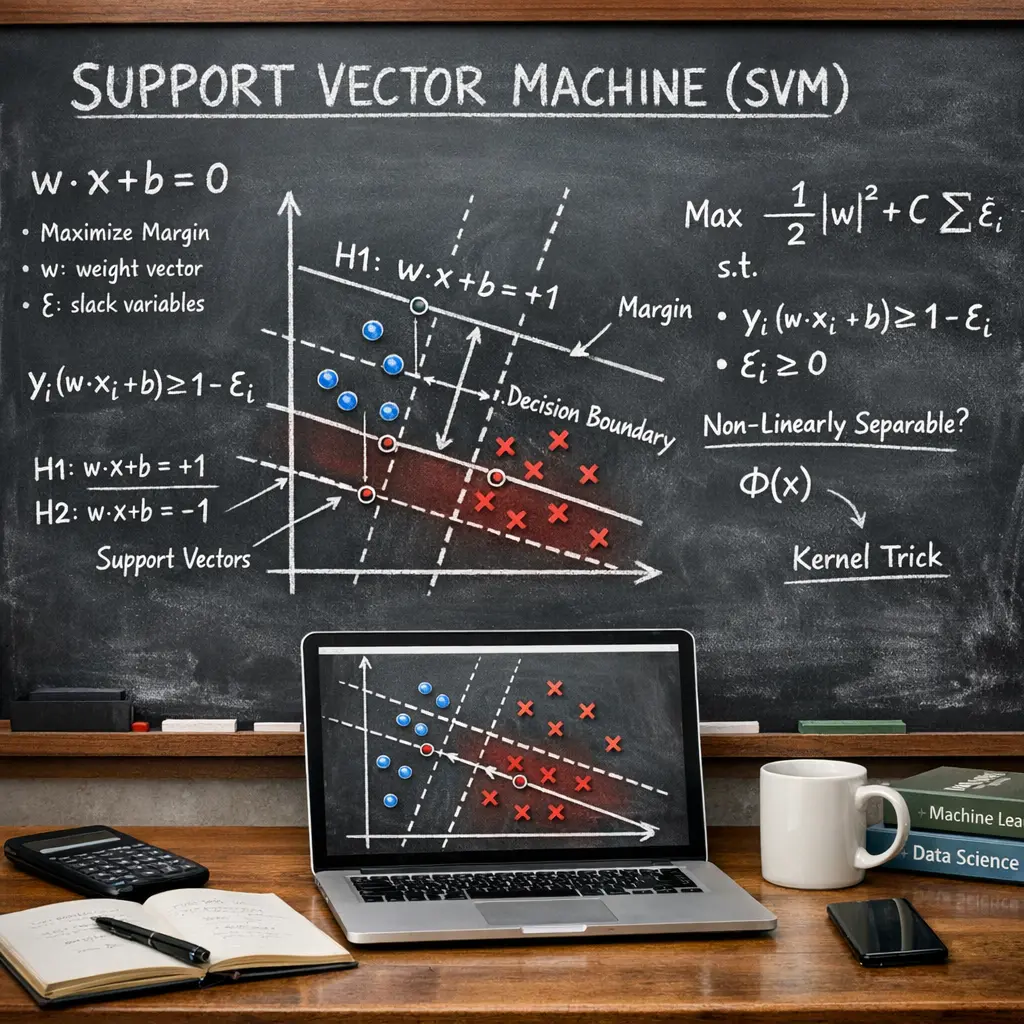
AI Model History refers to the chronological development and evolution of artificial intelligence models, highlighting significant milestones, breakthroughs, and the names of notable models such as GPT, BERT, or DALL-E. It encompasses the advancements in algorithms, architectures, and training techniques that have shaped AI's capabilities over time, providing context on how each model contributed uniquely to the field and influenced subsequent innovations in artificial intelligence research and applications.
AI Model History+50
AI Model History refers to the chronological development and evolution of artificial intelligence models, highlighting significant milestones, breakthroughs, and the names of notable models such as GPT, BERT, or DALL-E. It encompasses the advancements in algorithms, architectures, and training techniques that have shaped AI's capabilities over time, providing context on how each model contributed uniquely to the field and influenced subsequent innovations in artificial intelligence research and applications.

💡 Key Takeaways
- Trace the major milestones in AI model history from early symbolic approaches to modern deep learning.
- Identify landmark AI models and systems that shaped the field (e.g., ELIZA, Deep Blue, AlphaGo, GPT-series).
- Explain how data, compute power, and algorithm innovations drove rapid improvements in AI models.
- Discuss the evolving ethical, societal, and practical considerations that accompany AI development.
❓ Frequently Asked Questions
What is an AI model?
A program that learns from data to perform tasks (e.g., classification or generation). History moves from rule-based systems to statistical models, neural networks, and large language models.
What were key milestones in AI model history?
Perceptrons (1950s), expert systems (1980s), backpropagation enabling neural networks, the rise of deep learning in the 2010s, and the emergence of large language models.
Why did neural networks become popular again in the 2010s?
More data, faster GPUs, and better training methods allowed deep networks to learn complex patterns, leading to breakthroughs in vision and NLP.
What is a transformer and why is it important?
A transformer uses self-attention to process sequences in parallel, enabling scalable language models like GPT and BERT and accelerating progress in NLP.