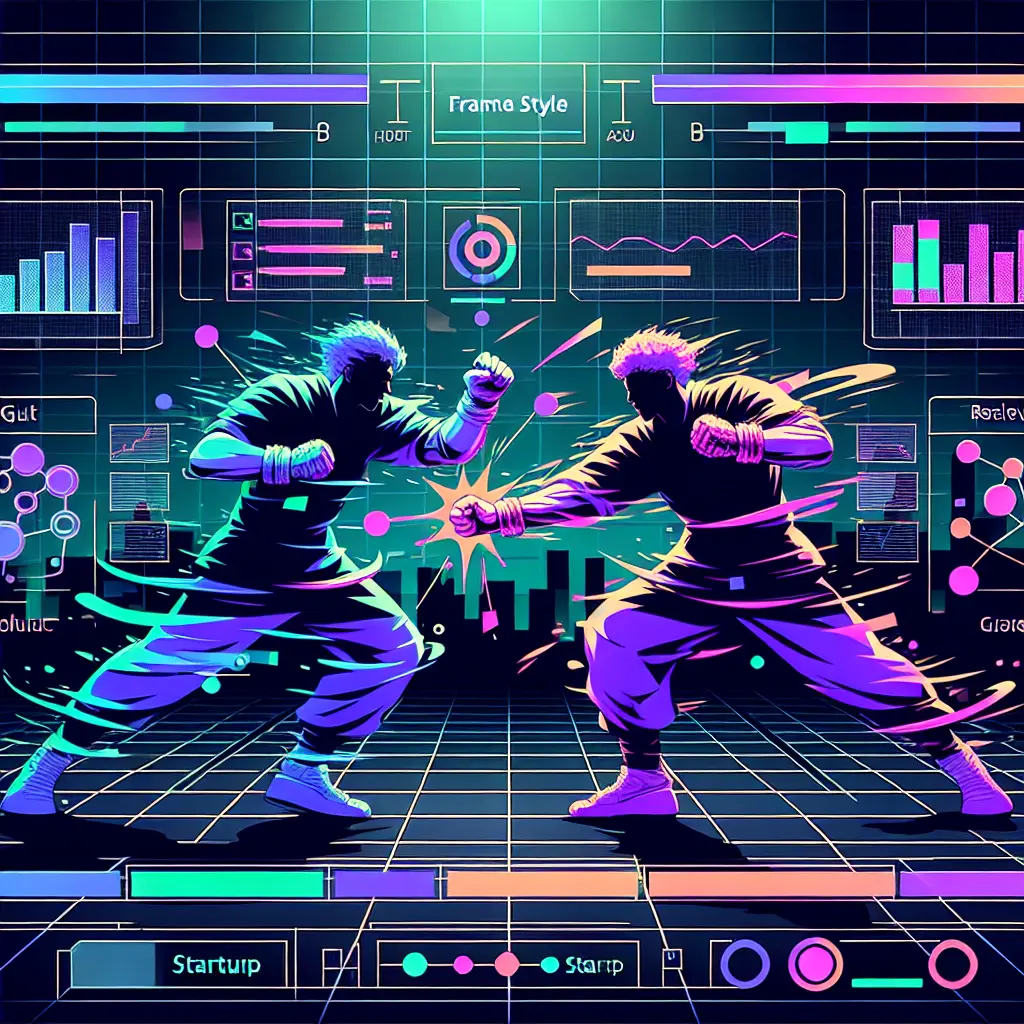
AI Opponents Behavior refers to the way artificial intelligence-controlled adversaries act and make decisions within a game or simulation. This includes how they respond to player actions, strategize, adapt to changing situations, and exhibit varying levels of difficulty or realism. Well-designed AI behavior enhances gameplay by providing challenging, unpredictable, and engaging interactions, mimicking human-like tactics or unique patterns to create a dynamic and immersive experience for players.
AI Opponents Behavior
AI Opponents Behavior refers to the way artificial intelligence-controlled adversaries act and make decisions within a game or simulation. This includes how they respond to player actions, strategize, adapt to changing situations, and exhibit varying levels of difficulty or realism. Well-designed AI behavior enhances gameplay by providing challenging, unpredictable, and engaging interactions, mimicking human-like tactics or unique patterns to create a dynamic and immersive experience for players.
💡 Key Takeaways
- Understand how AI opponents observe player actions and decide their next moves in real time.
- Learn how AI uses decision-making models (e.g., finite state machines, behavior trees) to plan tactics.
- Explore how AI adapts to changing game states and player strategies to stay competitive.
- See how AI difficulty and realism are tuned to balance challenge and fairness in games and esports.
❓ Frequently Asked Questions
What does AI opponents behavior mean in gaming and esports?
It describes how computer-controlled enemies act, decide, respond to players, plan strategies, adapt to situations, and exhibit different levels of difficulty or realism.
What techniques do game AIs use to decide actions?
Common approaches include decision systems like finite state machines, behavior trees, utility-based planners, and pathfinding to pick moves and tactics.
How can AI difficulty and realism be varied?
By adjusting reaction speed, accuracy, resource limits, and available strategies; some games use adaptive AI to match player skill.
How do AI opponents adapt during a match?
They monitor player behavior and outcomes, then adjust tactics such as aggression, positioning, targets, and teammate coordination to stay challenging.