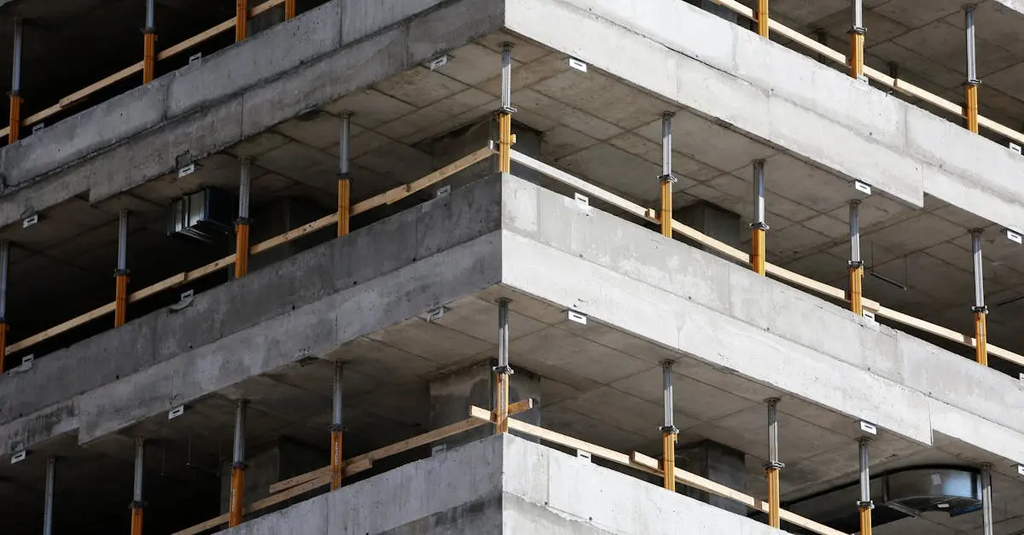
Air barrier continuity refers to the seamless and uninterrupted installation of materials that prevent air leakage through a building’s envelope. Blower door testing is a diagnostic method used to measure a building’s airtightness by creating a pressure difference and identifying leaks. Together, these practices ensure energy efficiency, improved indoor air quality, and compliance with building codes, playing a crucial role in modern construction technology for sustainable and high-performance buildings.
Air Barrier Continuity and Blower Door Testing
Air barrier continuity refers to the seamless and uninterrupted installation of materials that prevent air leakage through a building’s envelope. Blower door testing is a diagnostic method used to measure a building’s airtightness by creating a pressure difference and identifying leaks. Together, these practices ensure energy efficiency, improved indoor air quality, and compliance with building codes, playing a crucial role in modern construction technology for sustainable and high-performance buildings.
💡 Key Takeaways
- Understand what air barrier continuity means and how gaps affect energy efficiency and indoor comfort.
- Learn how blower door testing measures total building airtightness and locates leakage paths.
- Identify common leakage points and best practices to achieve continuous, taped or sealed air barrier joints.
- Interpret blower door results (ACH50/CFM50) and relate them to energy targets and remediation decisions.
❓ Frequently Asked Questions
What is an air barrier and why is continuity important?
An air barrier is a system of materials designed to resist air leakage through the building envelope. Continuity means the barrier forms a continuous, unbroken layer without gaps across walls, ceilings, and around openings. Breaks in continuity allow leaks, increasing energy use and moisture risk.
What is a blower door test and what does it measure?
A blower door test uses a calibrated fan mounted in an exterior door to create a pressure difference and measure how much air leaks in or out. Results are often reported as ACH50 (air changes per hour at 50 Pa) or CFM50, helping locate leaks and quantify envelope tightness.
How is air barrier continuity tested and ensured during construction?
Plan for a continuous barrier design, install materials with proper detailing, and seal joints, penetrations, and around openings. Use blower door testing (and optional infrared or smoke tests) after construction to verify continuity; seal detected leaks and retest until targets are met.
What does an ACH50 result mean and how should it be interpreted?
ACH50 expresses how many times the building would exchange air per hour at 50 Pa of pressure. Lower values mean a tighter envelope. Interpretation depends on project specs, energy codes, and climate; use the target set by codes or program requirements and aim to meet or beat it.