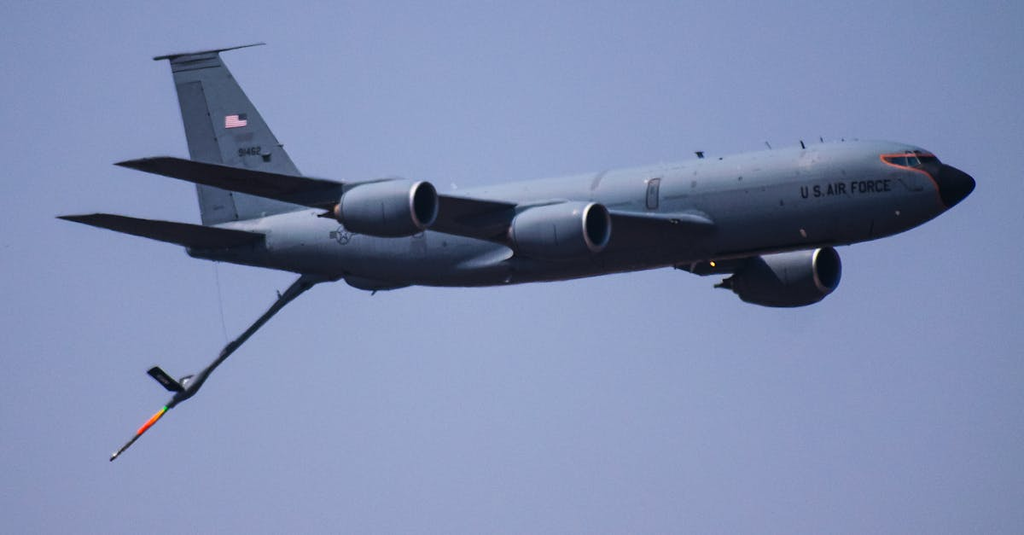
Airplane Export and Import (Travel Rides (Cars & Planes)) refers to the international trade and transportation of airplanes across borders. This process involves the buying, selling, and shipping of aircraft between countries for various purposes, such as commercial use, private ownership, or leasing. It encompasses regulatory compliance, customs procedures, and logistical arrangements to ensure safe and legal transfer of airplanes, similar to how cars are traded and transported globally.
Airplane Export and Import
Airplane Export and Import (Travel Rides (Cars & Planes)) refers to the international trade and transportation of airplanes across borders. This process involves the buying, selling, and shipping of aircraft between countries for various purposes, such as commercial use, private ownership, or leasing. It encompasses regulatory compliance, customs procedures, and logistical arrangements to ensure safe and legal transfer of airplanes, similar to how cars are traded and transported globally.
💡 Key Takeaways
- Identify essential documents and licenses required for exporting or importing an aircraft (purchase agreement, export declaration, air waybill, import clearance, and maintenance records).
- Describe the end-to-end process of an aircraft transfer—from sale and airworthiness verification to customs clearance and delivery.
- Understand key regulatory licensing requirements and compliance steps for aerospace transactions (export controls and license procurement).
- Explain the roles of freight forwarders, brokers, and insurers in cross-border aircraft movement and risk management.
- Recognize cost and ownership considerations in international aircraft transfers (incoterms, duties/taxes, and timing of title transfer).
❓ Frequently Asked Questions
What does it mean to export an airplane?
Exporting an airplane means sending or selling an aircraft or its parts from one country to another, involving customs clearance and export controls.
What documents are typically needed when exporting or importing an aircraft?
Common documents include a bill of sale, commercial invoice, air waybill or bill of lading, export/import declarations, proof of ownership, maintenance records, and the airworthiness certificate or registration transfer paperwork.
Which authorities govern airplane export and import?
Export/import involves national aviation authorities (e.g., FAA, EASA) for airworthiness and registration, customs authorities for clearance, and may involve export-control agencies and ICAO guidelines.
What are common challenges in airplane export/import?
Regulatory compliance across countries, transfer of title and registrations, financing and liens, taxes and duties, and ensuring accurate maintenance records and airworthiness during transfer.