Airports and airlines utilize a diverse range of aircraft types, each designed for specific purposes such as short-haul, long-haul, cargo, or regional flights. Common aircraft include narrow-body jets like the Boeing 737 and Airbus A320 for shorter routes, and wide-body jets like the Boeing 777 or Airbus A350 for long-distance travel. The selection of aircraft impacts passenger capacity, fuel efficiency, and airport infrastructure requirements.
Airports & Airlines: Aircraft Types
Airports and airlines utilize a diverse range of aircraft types, each designed for specific purposes such as short-haul, long-haul, cargo, or regional flights. Common aircraft include narrow-body jets like the Boeing 737 and Airbus A320 for shorter routes, and wide-body jets like the Boeing 777 or Airbus A350 for long-distance travel. The selection of aircraft impacts passenger capacity, fuel efficiency, and airport infrastructure requirements.
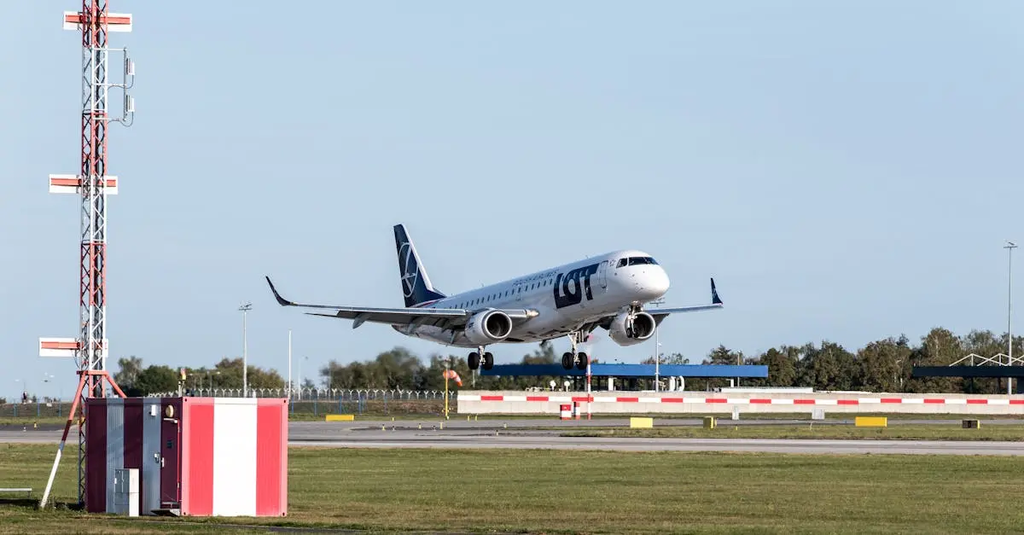
💡 Key Takeaways
- Differentiate between narrow-body and wide-body aircraft and their typical roles in short-haul vs long-haul flights.
- Identify common short-haul aircraft (Boeing 737, Airbus A320) and wide-body jets (Boeing 777, Airbus A350/A380) used on major routes.
- Explain how range, passenger capacity, and cargo needs influence which aircraft an airline selects for a given route.
- Describe how airports and airlines manage fleets and routes to support regional, hub, and international travel.
❓ Frequently Asked Questions
What is the difference between narrow-body and wide-body aircraft?
Narrow-body jets have a single passenger aisle and usually seat about 90–180 passengers for short to medium routes; wide-body jets have two aisles, higher capacity, and longer range for long-haul international flights.
Which aircraft types are most common for short-haul flights?
Narrow-body jets like the Boeing 737 and Airbus A320 family are typical for short- to medium-distance trips.
What is a regional jet and when is it used?
Regional jets are smaller airliners (roughly 50–100 seats) used to connect smaller airports with larger hubs on short routes.
What are wide-body jets used for?
Wide-body jets are designed for long-haul travel and higher passenger and cargo capacity, often used on international routes (examples include the Boeing 777 and Airbus A350/A380).
How do cargo aircraft differ from passenger aircraft?
Cargo aircraft are optimized for freight, with large cargo doors and space and little to no passenger seating; some passenger planes also carry freight in their lower holds (belly cargo).