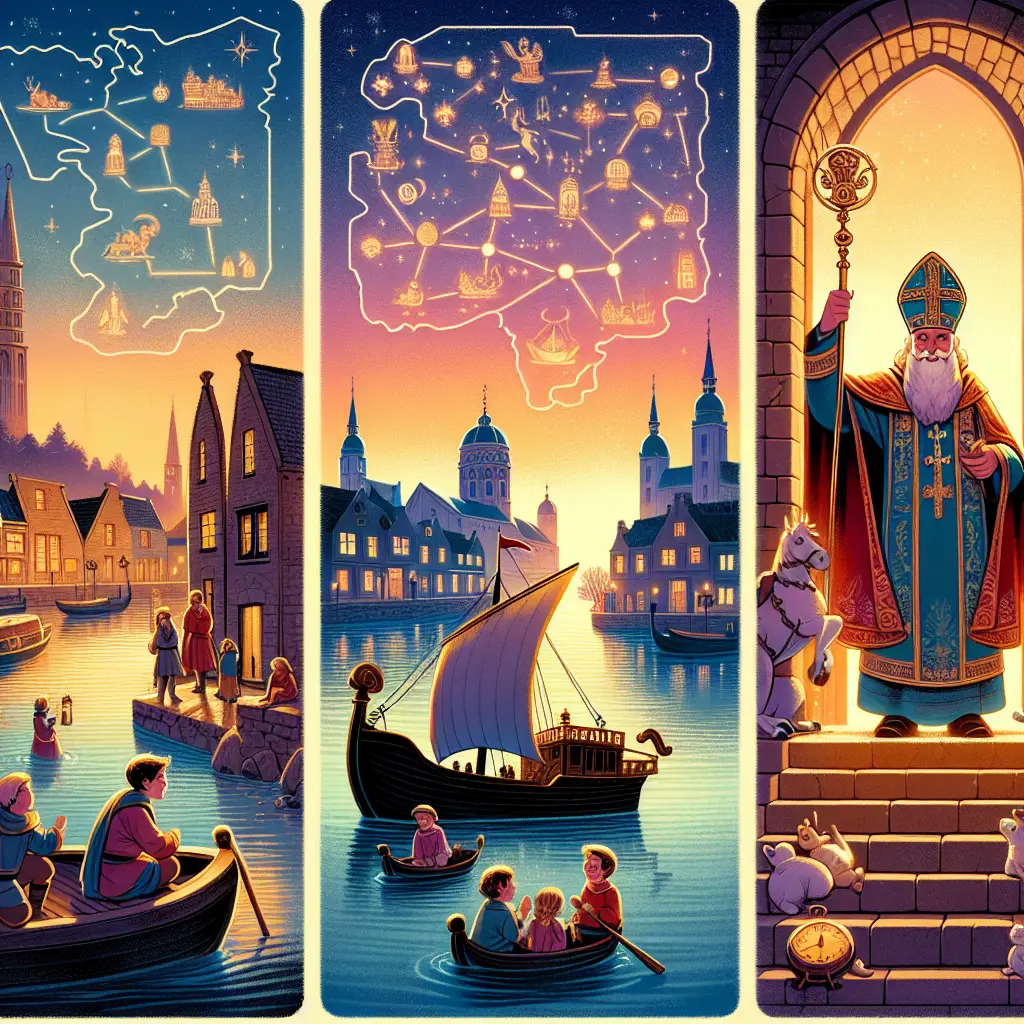
Algorithmic composition and AI-generated holiday music refer to the use of computer algorithms and artificial intelligence to create festive musical pieces. These technologies analyze patterns, harmonies, and structures from traditional holiday songs, then generate original music that captures the spirit of the season. This approach enables rapid production of unique, customizable holiday tunes, offering new creative possibilities for musicians, content creators, and listeners seeking fresh seasonal soundtracks.
Algorithmic Composition and AI-Generated Holiday Music
Algorithmic composition and AI-generated holiday music refer to the use of computer algorithms and artificial intelligence to create festive musical pieces. These technologies analyze patterns, harmonies, and structures from traditional holiday songs, then generate original music that captures the spirit of the season. This approach enables rapid production of unique, customizable holiday tunes, offering new creative possibilities for musicians, content creators, and listeners seeking fresh seasonal soundtracks.
💡 Key Takeaways
- Understand how algorithms analyze traditional holiday songs to extract patterns, harmonies, and musical forms for new pieces.
- Learn how AI-based generative models create original holiday music that captures seasonal mood and stylistic cues.
- Compare rule-based algorithmic composition with data-driven AI approaches, and know when each is most effective.
- Recognize practical considerations for AI-generated holiday music, including creativity limits, licensing, and ethical use.
❓ Frequently Asked Questions
What is algorithmic composition in the context of holiday music?
It uses computer algorithms to generate music, encoding rules, patterns, or trained AI models to create festive melodies and harmonies.
How does AI learn and generate new holiday pieces?
It analyzes patterns from traditional holiday songs—melodies, chords, rhythms—to learn style, then produces original music that evokes that holiday feel.
What technologies are commonly used for AI-generated holiday music?
Neural networks (transformers, LSTMs), Markov models, and rule-based systems; outputs are often produced as MIDI or audio for use in playlists.
Are AI-generated compositions considered creative or copyrighted?
They can be original-sounding, but creativity and rights depend on the data and prompts; licensing and attribution considerations may apply, depending on jurisdiction and data sources.