Algorithmic virality refers to how social media algorithms amplify and spread content, such as food posts, based on user engagement and trends. Eye-catching food images or videos are promoted to wider audiences when users like, share, or comment, creating viral sensations. This process shapes food trends, influences dining choices, and can turn ordinary dishes into internet phenomena, driven largely by the platform’s automated content recommendation systems.
Algorithmic virality: food on social media platforms
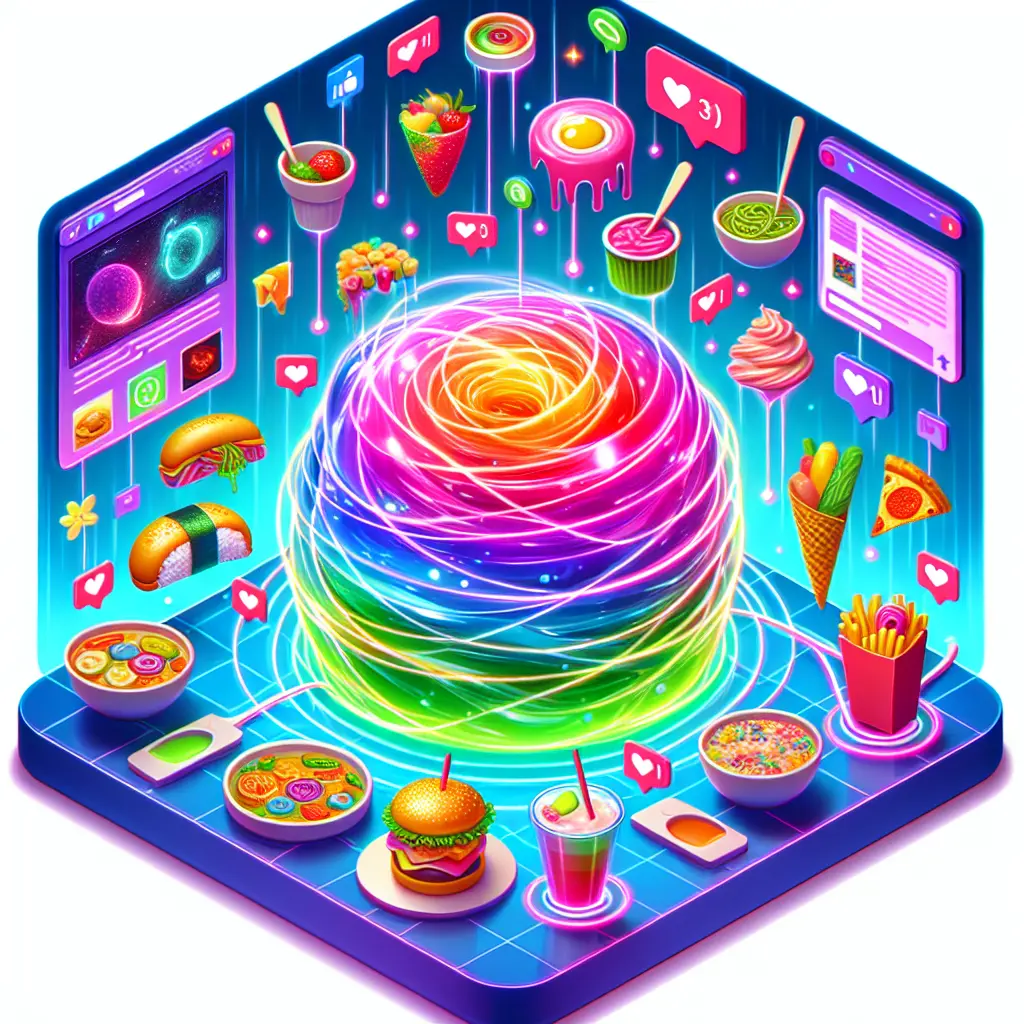
Algorithmic virality refers to how social media algorithms amplify and spread content, such as food posts, based on user engagement and trends. Eye-catching food images or videos are promoted to wider audiences when users like, share, or comment, creating viral sensations. This process shapes food trends, influences dining choices, and can turn ordinary dishes into internet phenomena, driven largely by the platform’s automated content recommendation systems.
💡 Key Takeaways
- Understand how social media algorithms amplify food posts based on user engagement and trends.
- See how eye-catching food images or videos are promoted to wider audiences through likes, shares, and comments.
- Explore how viral dynamics influence which dishes, ingredients, or cuisines rise in American food culture.
- Consider ethical and cultural implications of viral food content, including representation, accuracy, and sustainability.
❓ Frequently Asked Questions
What is algorithmic virality?
The rapid spread of content driven by a platform's algorithm, which promotes posts with high engagement to wider audiences.
What actions boost a food post's reach?
Likes, comments, shares, saves, and longer watch times signal interest and can push the post to more users.
Why do bright food visuals tend to go viral?
Eye-catching, high-quality images or short videos grab attention quickly, prompting interactions that boost distribution.
How can this affect American food and culinary history online?
Trends can spotlight particular dishes or regional foods, shaping what people explore and remember, often favoring novelty over tradition.