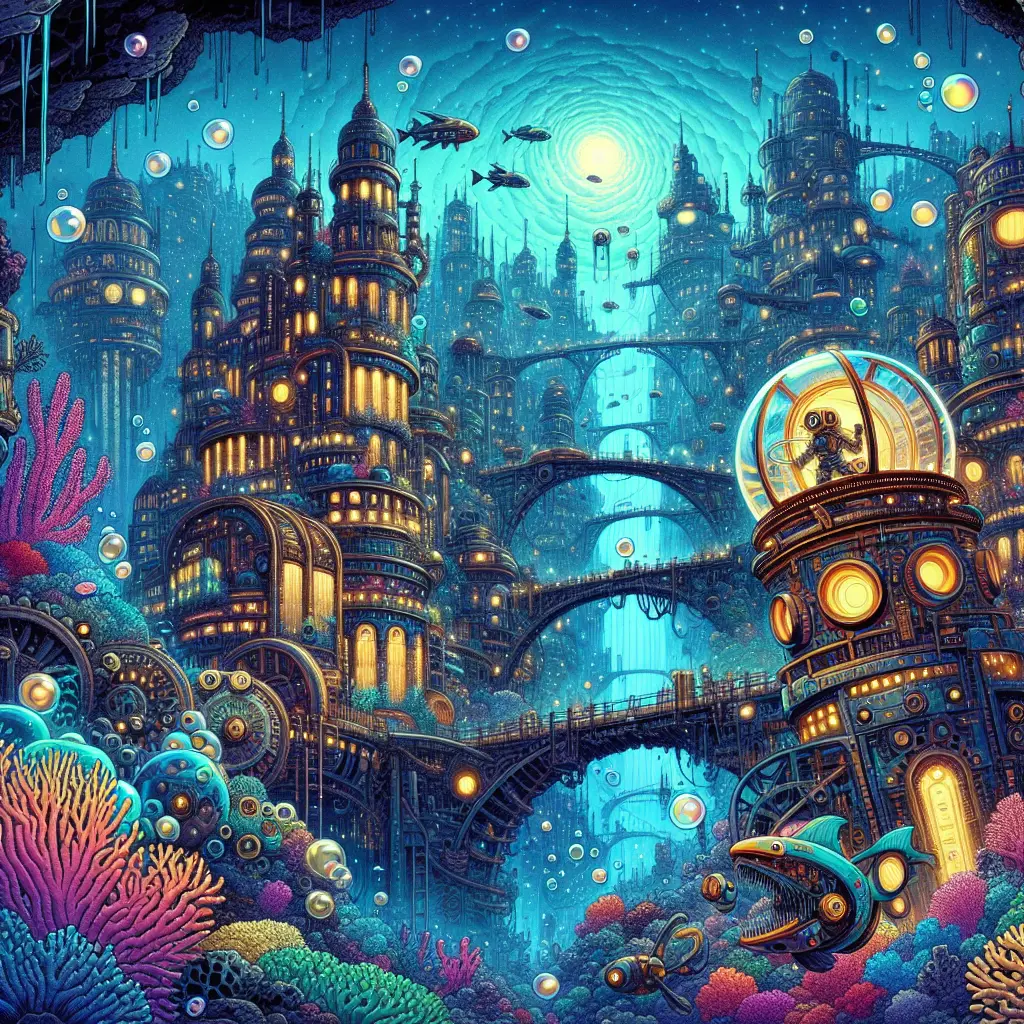
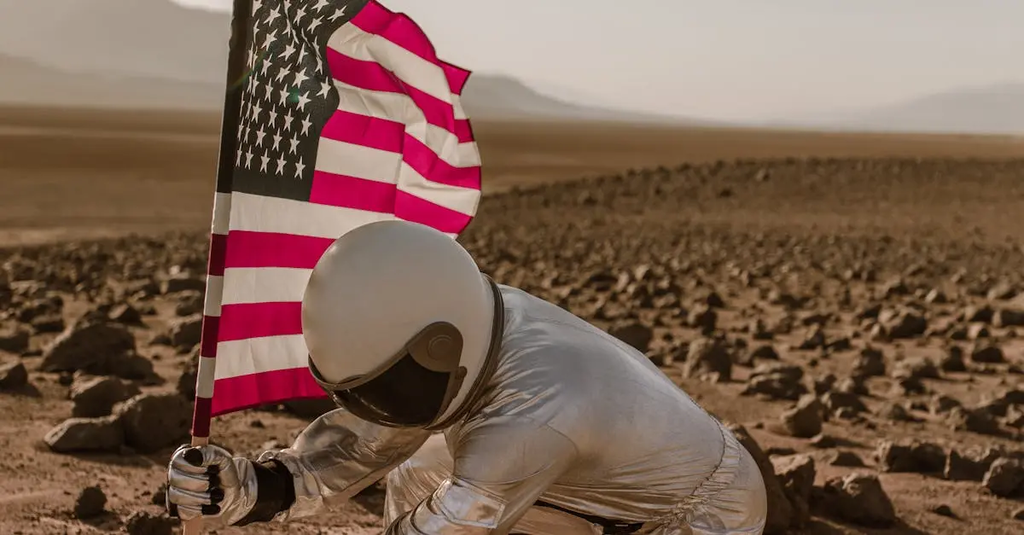
"Alien Ecologies & Xenobiology" refers to the study and exploration of ecosystems and life forms that exist beyond Earth. This includes investigating how organisms might evolve, interact, and adapt to environments with different atmospheric, chemical, and physical conditions than those on our planet. Xenobiology also encompasses the creation or theorization of entirely novel biological systems, offering insights into the diversity and possibilities of life throughout the universe.
Alien Ecologies & Xenobiology
"Alien Ecologies & Xenobiology" refers to the study and exploration of ecosystems and life forms that exist beyond Earth. This includes investigating how organisms might evolve, interact, and adapt to environments with different atmospheric, chemical, and physical conditions than those on our planet. Xenobiology also encompasses the creation or theorization of entirely novel biological systems, offering insights into the diversity and possibilities of life throughout the universe.
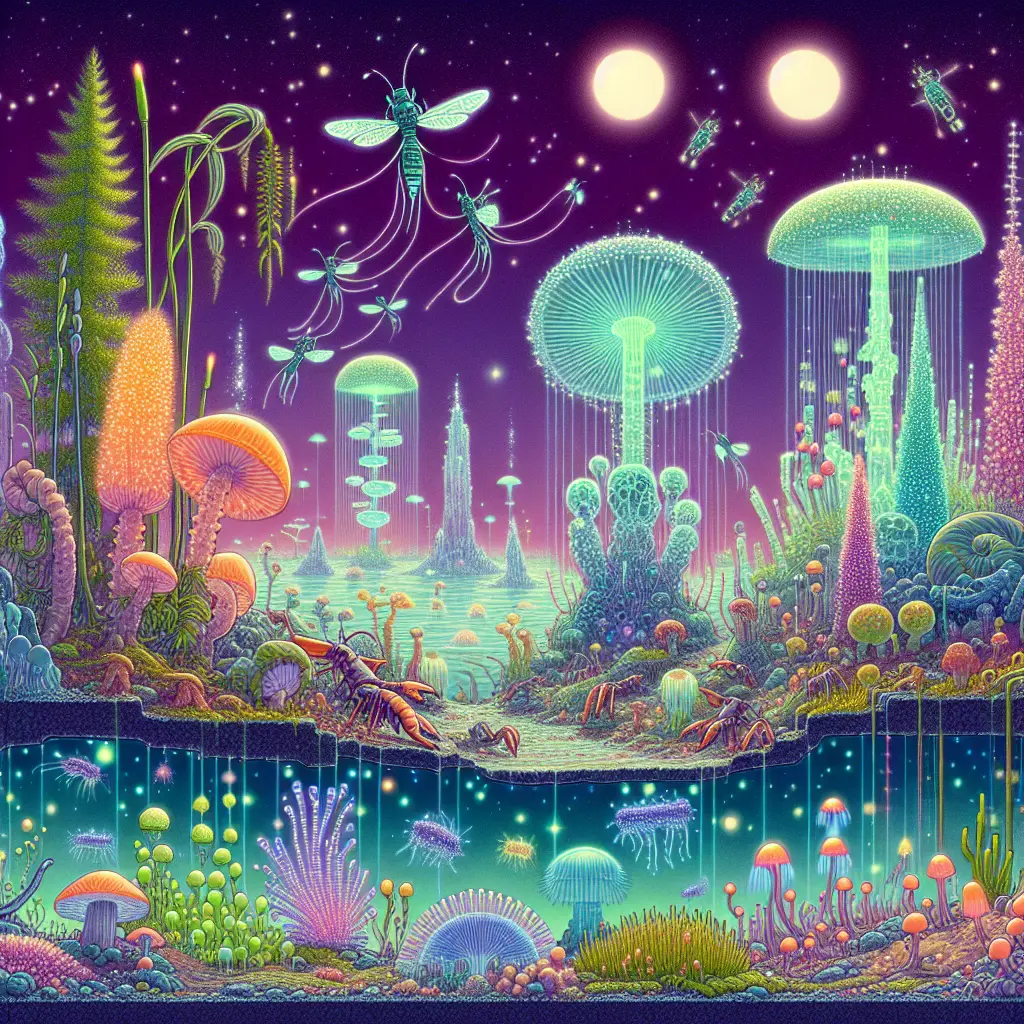
💡 Key Takeaways
- Explain how non-Earth atmospheres, chemistries, and physics shape alien life and ecosystems.
- Consider plausible biochemistries and energy sources for life beyond Earth (e.g., alternative solvents, silicon-based life, exotic metabolism).
- Describe how alien organisms adapt and interact within their ecosystems, including food webs, symbiosis, and competition.
- Discuss the challenges and methods for studying xenobiology in sci-fi contexts, including ethics, biosafety, and exploration technologies.
❓ Frequently Asked Questions
What is xenobiology?
Xenobiology is the study of life beyond Earth—how unknown organisms could arise, evolve, and function in non‑Earth environments with different chemistry and physics.
What factors shape alien ecosystems?
Energy sources, atmospheric composition, temperature, gravity, radiation, and available habitats determine how alien life feeds, grows, reproduces, and forms communities.
How might alien life evolve under different chemistries?
Different solvents or biochemical constraints can drive alternative metabolisms, body plans, sensory systems, and reproductive strategies to exploit local resources.
What are biosignatures and how are they searched for?
Biosignatures are detectable signs of life, such as unusual gas ratios or surface chemistry. Scientists look for them with telescopes, landers, rovers, and in‑situ analyses.
How can alien ecologies influence sci‑fi storytelling and future tech?
They provide plausible ecosystems for worldbuilding and inspire bio‑inspired tech, sensors, habitats, and interfaces for exploring diverse life in space.