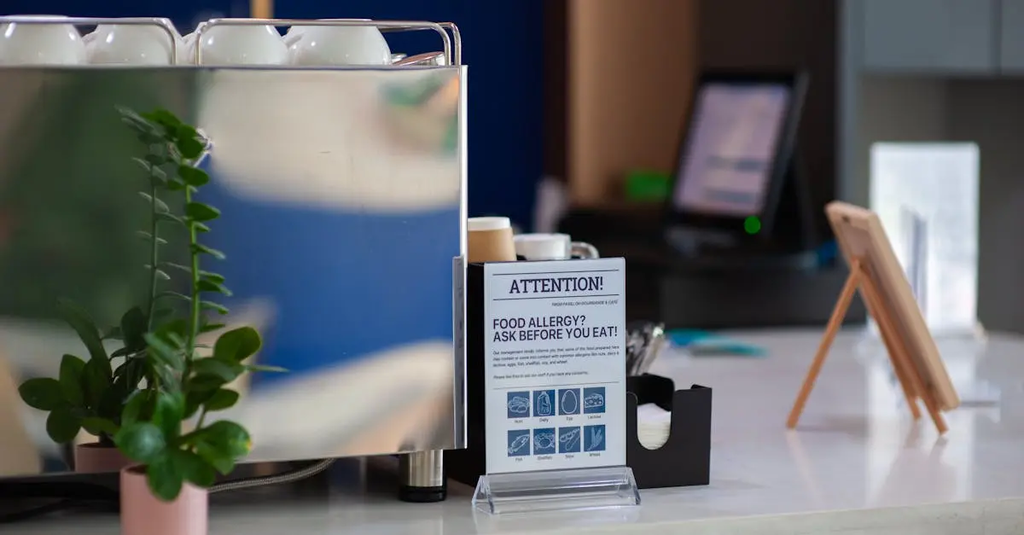
An allergen introduction schedule outlines when and how to safely introduce common allergenic foods—such as peanuts, eggs, and dairy—into a child’s diet, typically after starting solids and during night weaning. This gradual process helps monitor for allergic reactions and supports immune tolerance. Parents are advised to introduce one new allergen at a time, observe for symptoms, and consult healthcare professionals for guidance, ensuring both nutritional adequacy and safety during this critical developmental stage.
Allergen introduction schedule and safety
An allergen introduction schedule outlines when and how to safely introduce common allergenic foods—such as peanuts, eggs, and dairy—into a child’s diet, typically after starting solids and during night weaning. This gradual process helps monitor for allergic reactions and supports immune tolerance. Parents are advised to introduce one new allergen at a time, observe for symptoms, and consult healthcare professionals for guidance, ensuring both nutritional adequacy and safety during this critical developmental stage.

💡 Key Takeaways
- Understand what an allergen introduction schedule is and why timing can influence allergy risk and tolerance development.
- Identify common allergen groups (peanuts, tree nuts, eggs, dairy, sesame, soy, wheat, fish) and general sequencing guidelines.
- Learn essential safety steps during introduction, including monitoring for reactions, having an action plan, and when to seek urgent care.
- Know practical safety measures in daily life, such as reading labels, preventing cross-contact, and consulting healthcare professionals for personalized guidance.
❓ Frequently Asked Questions
What is an allergen introduction schedule?
A planned sequence and timing for introducing common allergenic foods to reduce allergy risk, usually starting in infancy under pediatric guidance and gradually adding new foods while monitoring for reactions.
Which foods are considered common allergens?
Milk, egg, peanut, tree nuts, soy, wheat, fish, shellfish, and sesame are among the most commonly allergenic foods to watch when introducing solids.
How can I safely introduce allergens at home?
Introduce one new allergen at a time in small amounts, wait several days before trying another new food, use age-appropriate forms, and monitor for reactions. Avoid introducing while sick and seek professional advice for high-risk children.
What should I do if a reaction occurs?
For mild symptoms, stop the allergen and monitor. For severe symptoms such as trouble breathing, facial swelling, or fainting, seek emergency care right away and use an epinephrine auto‑injector if prescribed; contact emergency services.