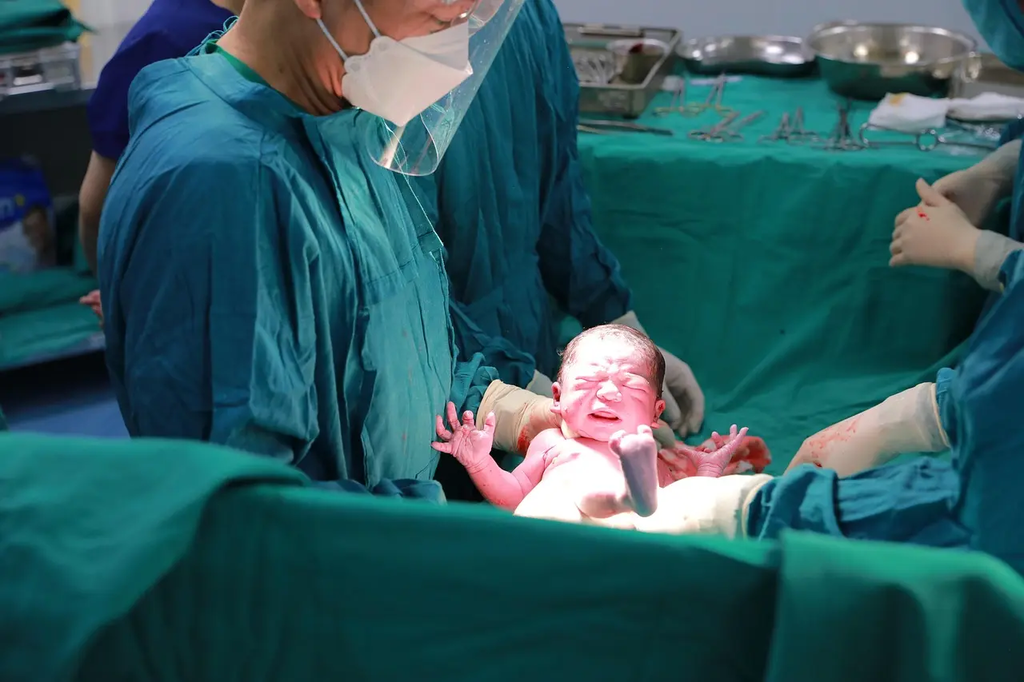
Allergies, reflux, and food sensitivities in breastfed infants often manifest as symptoms like excessive crying, spitting up, skin rashes, or digestive discomfort. These issues can be influenced by maternal diet, as certain proteins or allergens may pass through breast milk. Post-pregnancy care involves monitoring the infant’s reactions, consulting healthcare providers, and possibly adjusting the mother’s diet to alleviate symptoms and ensure the baby’s comfort and healthy development.
Allergies, reflux, and food sensitivities in breastfed infants
Allergies, reflux, and food sensitivities in breastfed infants often manifest as symptoms like excessive crying, spitting up, skin rashes, or digestive discomfort. These issues can be influenced by maternal diet, as certain proteins or allergens may pass through breast milk. Post-pregnancy care involves monitoring the infant’s reactions, consulting healthcare providers, and possibly adjusting the mother’s diet to alleviate symptoms and ensure the baby’s comfort and healthy development.

💡 Key Takeaways
- Recognize common signs of allergies, reflux, and food sensitivities in breastfed babies.
- Understand how maternal diet can influence infant symptoms and when to trial eliminating suspected foods.
- Differentiate normal infant reflux from reflux symptoms that may indicate a food-related intolerance needing medical input.
- Use practical management steps for breastfed infants, such as keeping a symptom diary, consulting a healthcare professional, and making evidence-based dietary adjustments.
❓ Frequently Asked Questions
What is the difference between a true allergy and a food sensitivity in breastfed infants?
A true allergy is an immune reaction to a food protein and can cause symptoms like hives, swelling, vomiting, or breathing issues. In breastfed babies, reactions may appear after mom eats the food. Food sensitivities are nonimmune reactions that often show up as fussiness, crying, or tummy symptoms. Not every fussiness is due to food, and a clinician can help confirm.
What causes reflux in breastfed infants and how can I help?
Reflux is common in young infants due to an immature digestive system. It usually improves with time. Help by feeding smaller, more frequent amounts, burping during and after feeds, and keeping the baby upright after feeding. Seek medical advice if there are red flags or persistent weight concerns.
How can I tell if my baby’s symptoms are related to foods in my diet?
If symptoms start after you eat a specific food and improve when you avoid it, a link is possible. Keeping a simple food–symptom diary for 1–2 weeks can help. Any elimination or reintroduction should be done with a healthcare professional.
When should I contact a pediatrician about allergies or reflux?
Contact a pediatrician if the baby has poor weight gain, vomiting that won’t stop, blood in stool or vomit, swelling of the face or lips, trouble breathing, severe irritability, or symptoms lasting beyond a few weeks.