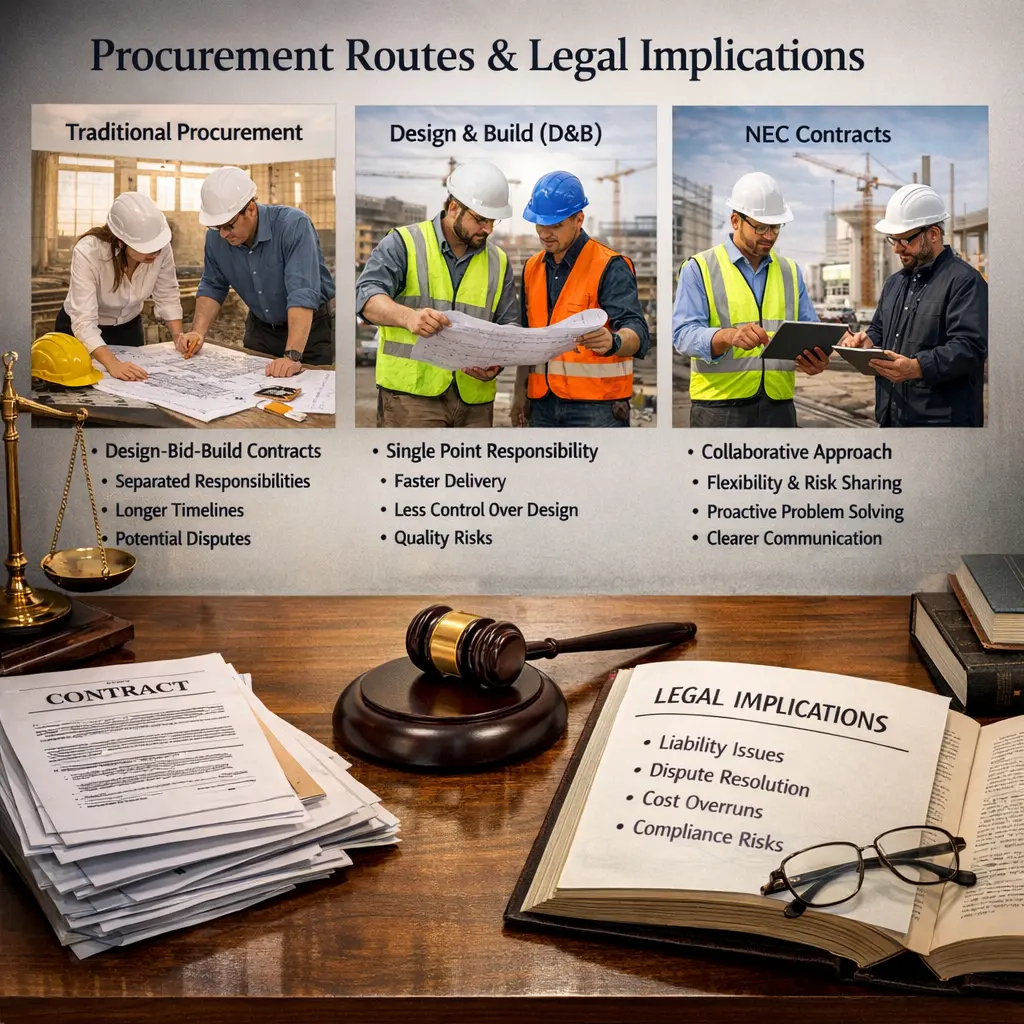
Alliancing and collaborative contracts legal frameworks refer to the rules and statutory requirements that govern partnerships between parties working together on projects, typically in construction or infrastructure. These frameworks establish shared responsibilities, risk allocation, and dispute resolution mechanisms, aiming to foster cooperation rather than adversarial relationships. Legal and statutory requirements ensure that such agreements comply with national laws, protect stakeholders’ interests, and promote transparency, accountability, and successful project outcomes through effective collaboration.
Alliancing and collaborative contracts legal frameworks
Alliancing and collaborative contracts legal frameworks refer to the rules and statutory requirements that govern partnerships between parties working together on projects, typically in construction or infrastructure. These frameworks establish shared responsibilities, risk allocation, and dispute resolution mechanisms, aiming to foster cooperation rather than adversarial relationships. Legal and statutory requirements ensure that such agreements comply with national laws, protect stakeholders’ interests, and promote transparency, accountability, and successful project outcomes through effective collaboration.

💡 Key Takeaways
- Understand what alliancing is and how it differs from traditional contract frameworks in collaborative projects
- Identify the core features of alliance contracts: joint governance, shared risk/reward, and open-book accounting
- Explain how decision-making, dispute resolution, and performance metrics are managed in collaborative agreements
- Recognize common risks and compliance issues in alliancing, including transparency, change control, and exit provisions
❓ Frequently Asked Questions
What is alliancing in procurement?
A collaborative contracting approach where the client and key partners form an alliance-like structure to deliver a project, focusing on shared objectives, open-book costing, joint decision-making, and shared risks and rewards.
What defines a collaborative contract?
A contract designed to foster cooperation, using mechanisms such as open-book accounting, aligned incentives, shared targets, and collaborative problem-solving to improve outcomes and reduce disputes.
How are costs and risks managed in alliance contracts?
Through open-book costing, a joint risk register, pain/gain sharing, and flexibility to adjust scope without blame while maintaining financial discipline.
What governance and dispute-resolution features are common?
An alliance board with equal representation, agreed decision rules, early escalation processes, and a collaborative dispute path with neutral facilitation or expert determination before litigation.
Which projects are best suited for alliancing and collaborative contracts?
Complex, long-term projects with uncertain scope or high interdependencies (e.g., infrastructure, large-scale construction, and major IT/system integrations) where collaboration and shared risk-reward improve outcomes.