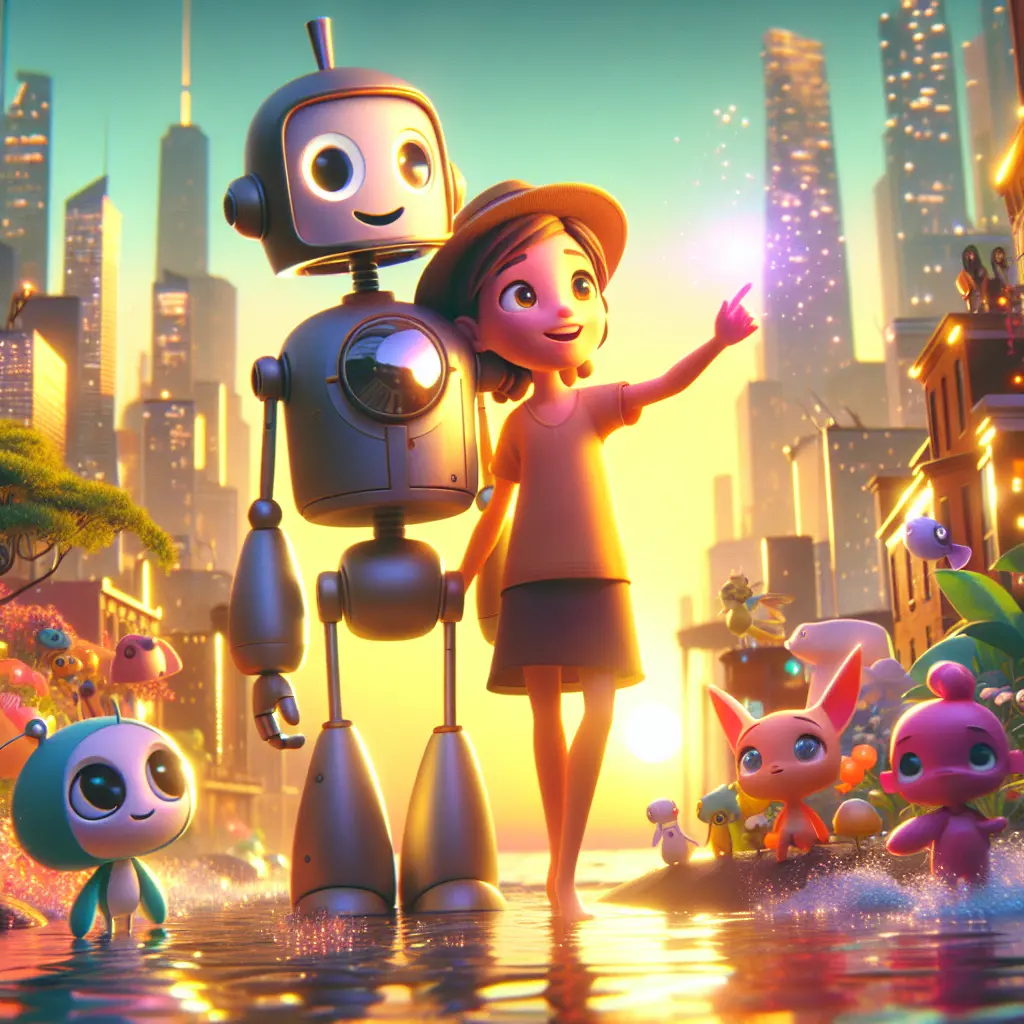
Alternate endings and story drafts refer to different versions of a story's conclusion and the various iterations created during the writing process. Writers often explore multiple outcomes for their narratives, experimenting with how characters and plots resolve. Story drafts are preliminary versions that evolve as ideas develop, allowing authors to refine structure, dialogue, and pacing. Exploring alternate endings and drafts enhances creativity and helps authors select the most compelling version for their audience.
Alternate Endings and Story Drafts
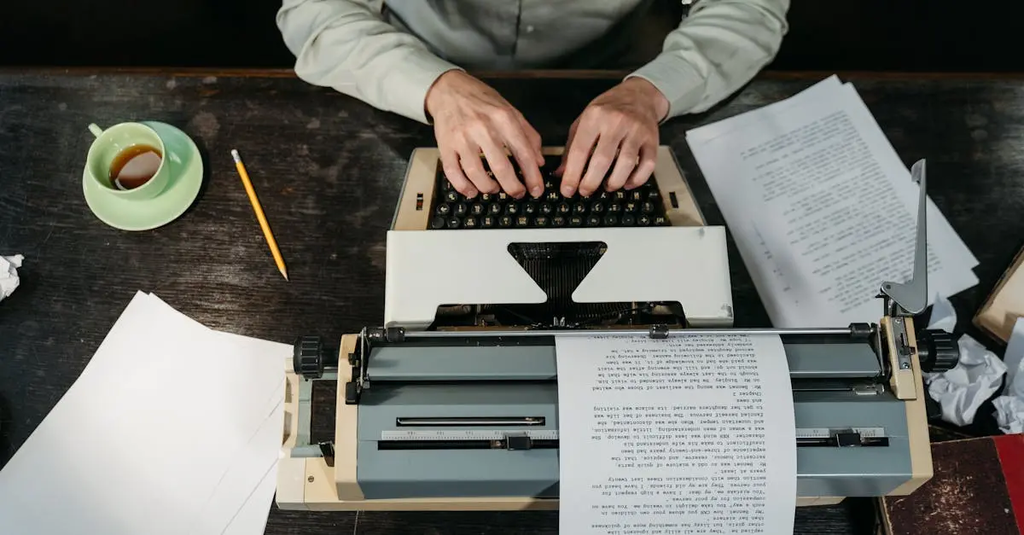
Alternate endings and story drafts refer to different versions of a story's conclusion and the various iterations created during the writing process. Writers often explore multiple outcomes for their narratives, experimenting with how characters and plots resolve. Story drafts are preliminary versions that evolve as ideas develop, allowing authors to refine structure, dialogue, and pacing. Exploring alternate endings and drafts enhances creativity and helps authors select the most compelling version for their audience.
💡 Key Takeaways
- Understand why writers test multiple endings during the drafting process to find the strongest conclusion.
- See how story drafts evolve character arcs and plot resolutions through revisions and feedback.
- Learn the drafting tools used in Disney & Pixar workflows (storyboards, treatments, and collaborative reviews) that shape endings.
- Recognize how themes, audience expectations, and franchise continuity influence the selection of a final ending.
❓ Frequently Asked Questions
What are alternate endings?
Alternate endings are different conclusions explored during writing to test how a story could resolve, affecting tone, themes, and character fates.
What is a story draft?
A story draft is a preliminary version of the plot, dialogue, or structure that writers revise to improve pacing and clarity.
How are alternate endings used in Disney & Pixar productions?
Teams may develop multiple endings, review them with editors and audiences, and then pick the one that best fits the characters and world.
What is the difference between a draft and a storyboard/animatic?
A draft is a written version; a storyboard/animatic is a visual sequence of rough drawings or moving images that outlines scenes, timing, and action for the ending.