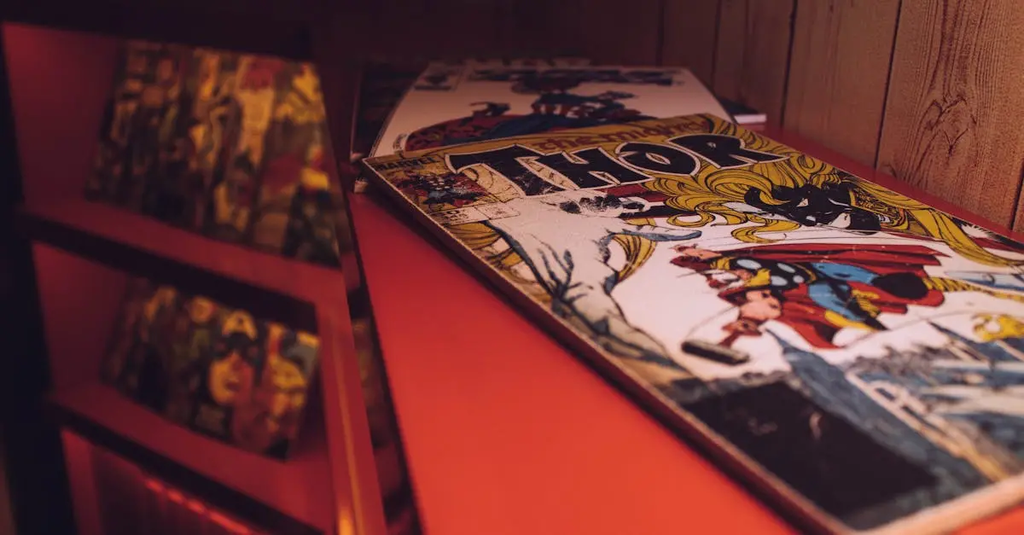
Alternate timelines refer to hypothetical or fictional scenarios in which events unfold differently from those in the established or "main" timeline. These variations often arise from a single change or decision, creating parallel realities with distinct outcomes. In storytelling, alternate timelines allow exploration of "what if" situations, showcasing how small or major differences can lead to new worlds, histories, or futures. They are commonly used in science fiction, fantasy, and time travel narratives.
Alternate Timelines (Basics)
Alternate timelines refer to hypothetical or fictional scenarios in which events unfold differently from those in the established or "main" timeline. These variations often arise from a single change or decision, creating parallel realities with distinct outcomes. In storytelling, alternate timelines allow exploration of "what if" situations, showcasing how small or major differences can lead to new worlds, histories, or futures. They are commonly used in science fiction, fantasy, and time travel narratives.
💡 Key Takeaways
- Define what an alternate timeline is and how it differs from the main timeline.
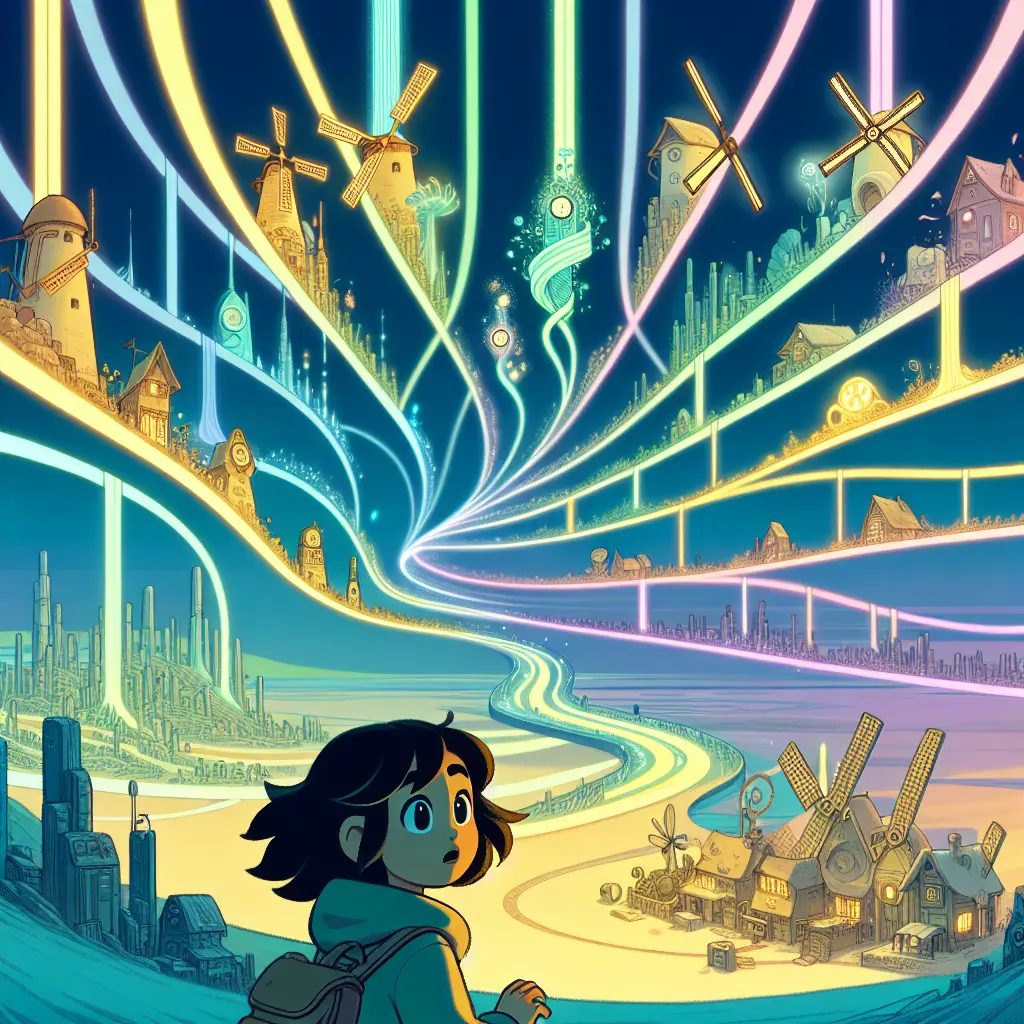
- Explain how a single change or decision can create a parallel timeline with different outcomes.
- Identify common storytelling devices used to explore alternate timelines in superhero comics and media.
- Analyze how alternate timelines affect character arcs, world-building, and continuity.
❓ Frequently Asked Questions
What is an alternate timeline in comics?
A version of events that diverges from the main continuity after a change, creating a parallel reality with different outcomes for heroes and villains.
How does an alternate timeline differ from a multiverse?
An alternate timeline is a single branch off the main timeline; a multiverse contains many separate timelines/realities that exist independently.
What common events can create a new timeline in superhero stories?
A single decision, accident, death, or shift in power at a key moment (the point of divergence) can lead to a different set of outcomes.
Why do writers use alternate timelines in superhero fiction?
To explore 'what if' scenarios, examine consequences, and tell new stories without changing the main canon.