Alternative proteins encompass plant-based and cultivated meats, developed as sustainable substitutes for traditional animal products. Plant-based meat history dates back to early soy products like tofu, but modern innovations accelerated in the 21st century with brands like Beyond Meat and Impossible Foods. Cultivated meat, grown from animal cells, emerged in the 2010s, with the first lab-grown burger unveiled in 2013. Both aim to reduce environmental impact and address ethical concerns of animal agriculture.
Alternative proteins: plant-based and cultivated meat history
Alternative proteins encompass plant-based and cultivated meats, developed as sustainable substitutes for traditional animal products. Plant-based meat history dates back to early soy products like tofu, but modern innovations accelerated in the 21st century with brands like Beyond Meat and Impossible Foods. Cultivated meat, grown from animal cells, emerged in the 2010s, with the first lab-grown burger unveiled in 2013. Both aim to reduce environmental impact and address ethical concerns of animal agriculture.
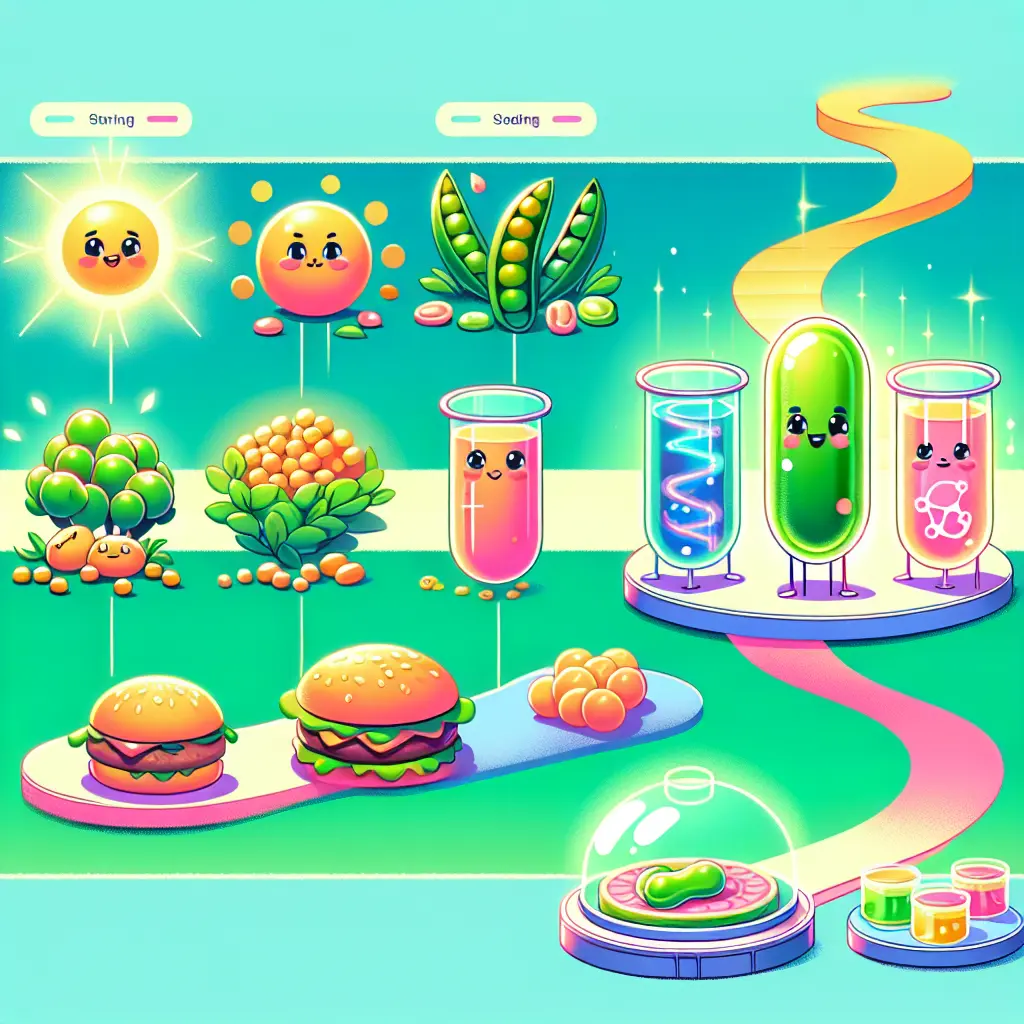
💡 Key Takeaways
- Trace the history from traditional soy-based products (e.g., tofu) to modern plant-based and cultivated meats, noting key milestones and shifts in consumer demand.
- Differentiate plant-based proteins (soy, peas, wheat) from cultivated meat in production methods and typical ingredients.
- Assess the sustainability claims of alternative proteins by comparing resource use, environmental impact, and trade-offs with conventional animal meat.
- Explain how 21st-century brands like Beyond Meat and Impossible Foods accelerated adoption and shaped the U.S. market for meat substitutes.
❓ Frequently Asked Questions
What are alternative proteins and what are the two main categories?
Alternative proteins are substitutes for traditional animal products. The two main categories are plant-based meats (made from plant ingredients like soy, pea, or wheat gluten) and cultivated meat (meat grown from animal cells in a lab).
What is the history of plant-based meat?
Plant-based meat history includes ancient soy foods like tofu and tempeh, with modern plant-based meats gaining momentum in the 2010s through brands like Beyond Meat and Impossible Foods.
What is cultivated meat and how is it produced?
Cultivated meat is meat grown from animal cells in controlled bioreactors. It’s produced without raising or slaughtering animals and is also called cell-based or lab-grown meat.
Why are alternative proteins considered more sustainable?
They can reduce land and water use and lower greenhouse gas emissions compared with conventional animal farming, though true sustainability depends on production methods and energy sources.