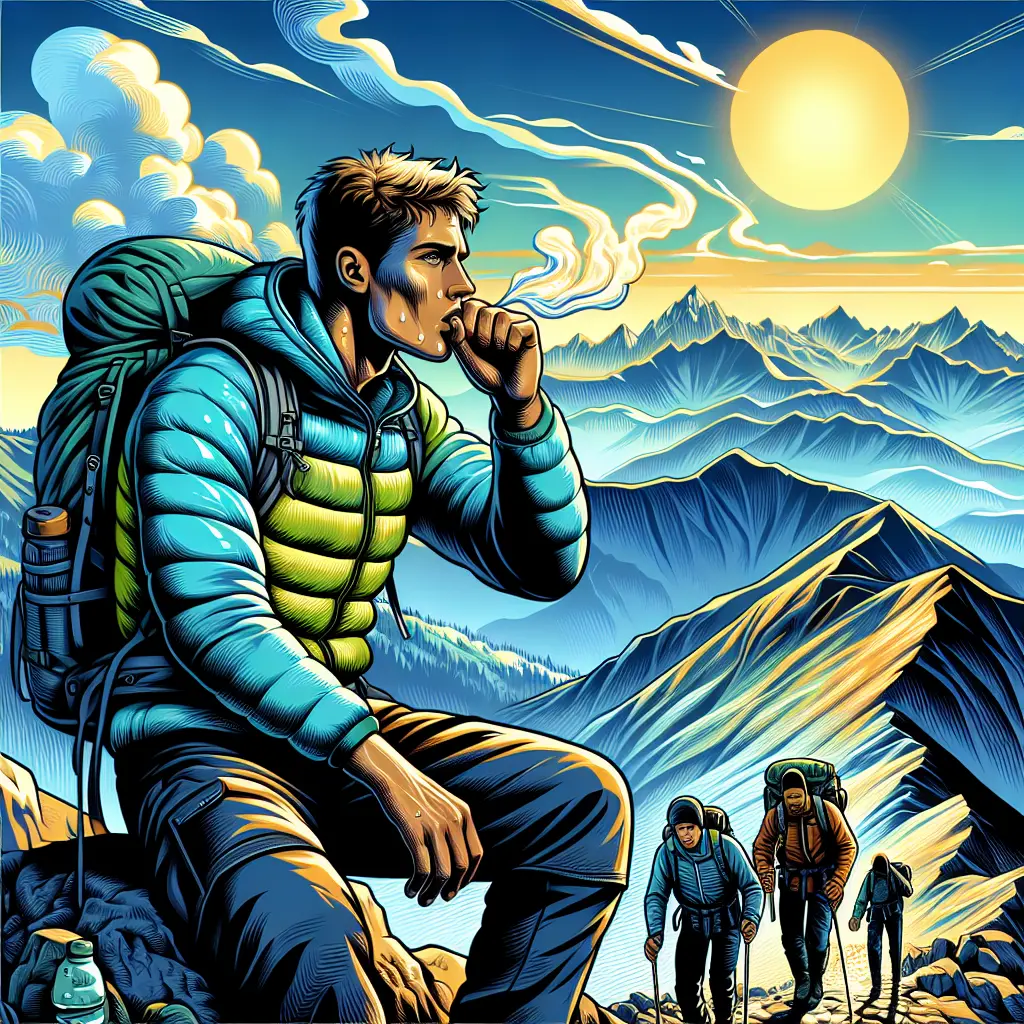
Altitude and heat acclimation refer to the physiological adaptations the body undergoes when exposed to high elevations or hot environments over time. At altitude, the body increases red blood cell production to improve oxygen delivery. In heat, it enhances sweat response and cardiovascular efficiency to regulate temperature. Both processes help improve performance, endurance, and safety by enabling individuals to better tolerate and function in challenging environmental conditions.
Altitude & Heat Acclimation
Altitude and heat acclimation refer to the physiological adaptations the body undergoes when exposed to high elevations or hot environments over time. At altitude, the body increases red blood cell production to improve oxygen delivery. In heat, it enhances sweat response and cardiovascular efficiency to regulate temperature. Both processes help improve performance, endurance, and safety by enabling individuals to better tolerate and function in challenging environmental conditions.
💡 Key Takeaways
- Altitude acclimation increases red blood cell production to improve oxygen delivery during exercise.
- Heat acclimation improves thermoregulation with earlier sweating and a higher sweat rate to dissipate heat.
- Altitude acclimation enhances ventilation, helping the body manage lower oxygen levels during exertion.
- Acclimation optimizes cardiovascular responses, often lowering heart rate for a given workload and preserving plasma volume.
❓ Frequently Asked Questions
What is altitude acclimation?
Altitude acclimation are the body's adaptations to high elevation, including increased red blood cell production to improve oxygen delivery, plus adjustments in ventilation and blood plasma.
What changes occur during heat acclimation?
Heat acclimation improves thermoregulation by increasing plasma volume, initiating sweating earlier and at a higher rate, and enhancing skin blood flow to keep the body cooler during exercise.
How long does acclimation take for altitude and heat?
Altitude acclimation typically develops over 1–3 weeks (with major gains in 2–3 weeks). Heat acclimation usually requires 7–14 days of regular heat exposure, with continued gains over 2–3 weeks.
What are the performance benefits of acclimation?
Altitude: improved oxygen delivery and endurance; Heat: better temperature control, lower cardiovascular strain, and the ability to sustain higher work rates.