"American Instruments: From the Banjo to Synthesizers" refers to the evolution and diversity of musical instruments developed or popularized in the United States. It highlights the journey from traditional, folk-rooted instruments like the banjo—originating from African influences and central to American music—to modern innovations such as synthesizers, which revolutionized sound production. This phrase underscores America’s significant contributions to musical technology and cultural expression across genres and eras.
American Instruments: From the Banjo to Synthesizers+50
"American Instruments: From the Banjo to Synthesizers" refers to the evolution and diversity of musical instruments developed or popularized in the United States. It highlights the journey from traditional, folk-rooted instruments like the banjo—originating from African influences and central to American music—to modern innovations such as synthesizers, which revolutionized sound production. This phrase underscores America’s significant contributions to musical technology and cultural expression across genres and eras.
💡 Key Takeaways
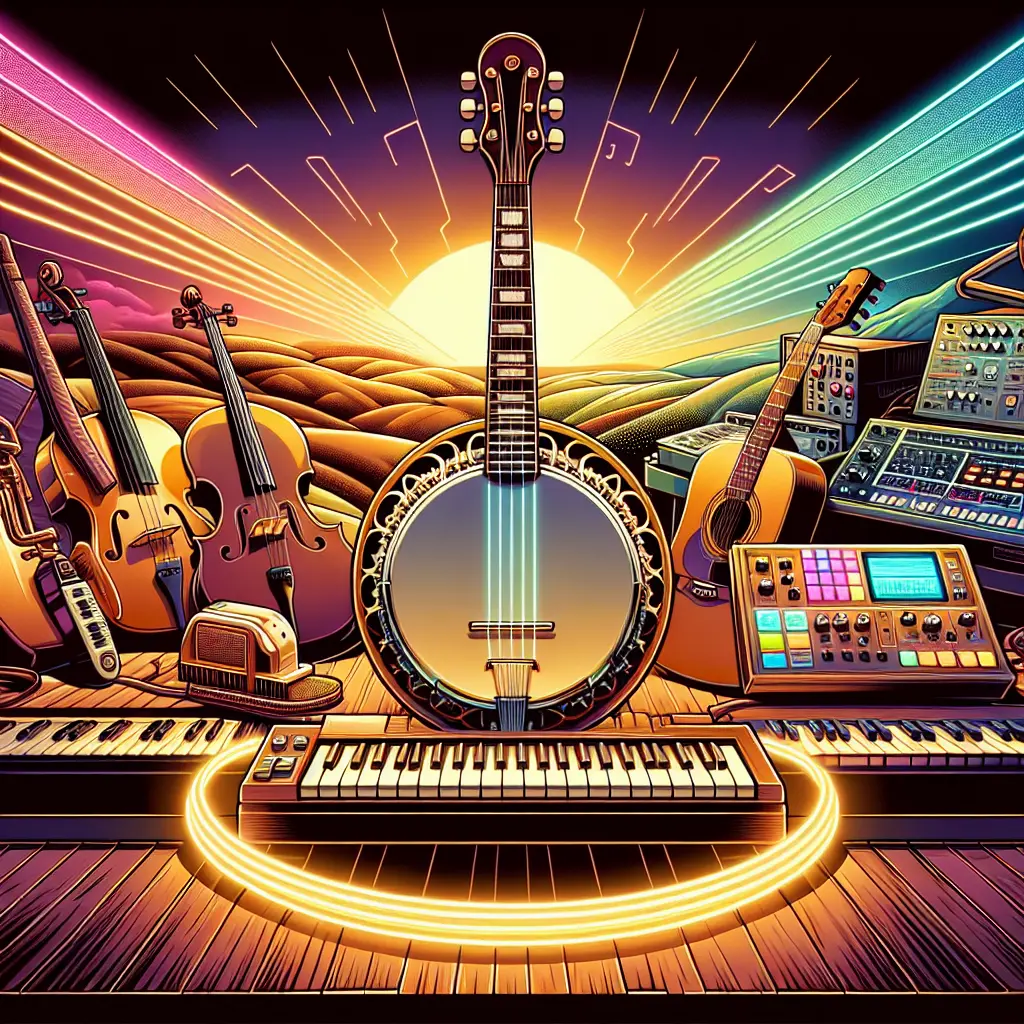
- Trace the evolution from traditional folk instruments like the banjo, with Afro-American roots, to modern synthesizers.
- Explore how African, European, and Indigenous influences merged to shape uniquely American instruments.
- Learn how technological advances and mass production reshaped instrument design, accessibility, and genres.
- Identify key American instrument innovations that helped define blues, jazz, folk, rock, and electronic music.
- Discover regional sounds and pioneering players who propelled American instruments onto the global stage.
❓ Frequently Asked Questions
What is the origin of the banjo and how did it come to be associated with American music?
The banjo originated from West African instruments brought to America by enslaved people and was adapted in the colonies, becoming central to Appalachian folk, blues, and bluegrass.
How did the banjo influence different American music genres?
Its bright, rhythmic pluck shaped folk storytelling and later bluegrass, contributing a distinctive sound to American roots music.
What is a synthesizer and how did it develop in the United States?
A synthesizer creates sound electronically via oscillators and filters. In the U.S., pioneers like Bob Moog and Don Buchla popularized programmable, voltage-controlled synths in the 1960s, transforming modern music.
Why are American instruments like the banjo and synthesizers significant globally?
They show how American innovation blends cultural roots with technology, influencing genres worldwide and driving new sounds across decades.