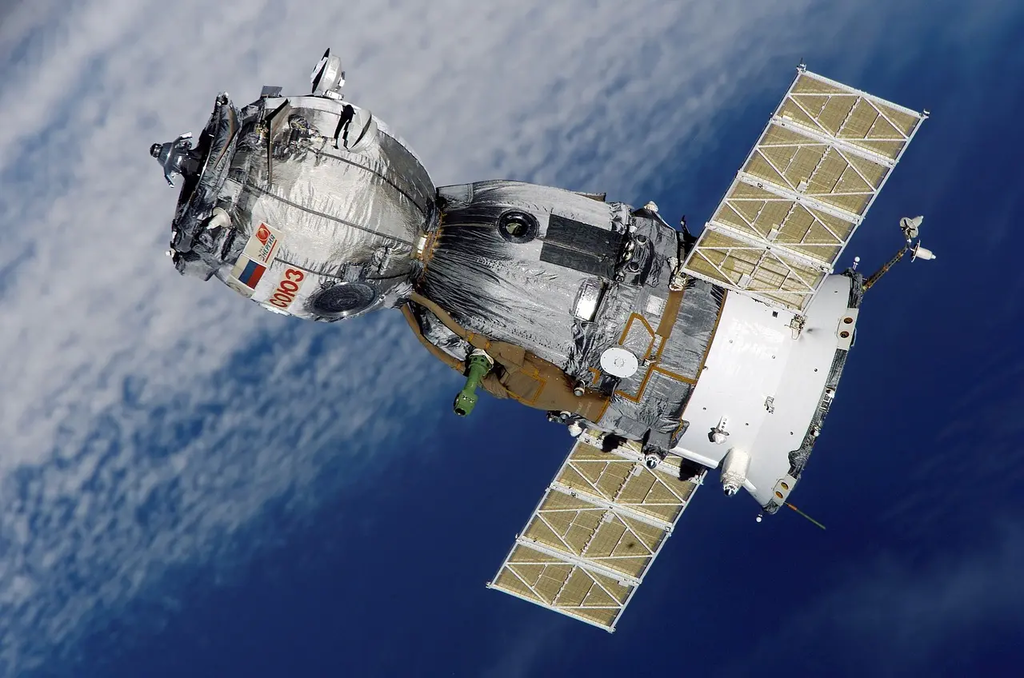
American military space operations rely on satellites for GPS navigation, reconnaissance, and weather monitoring. GPS satellites provide precise positioning and timing essential for troop movements and weapon guidance. Reconnaissance satellites gather intelligence by capturing imagery and signals from adversaries, aiding strategic decision-making. Weather satellites monitor atmospheric conditions, supporting mission planning and operational safety. Together, these space-based assets enhance the effectiveness, coordination, and security of U.S. military activities worldwide.
American Military Space: GPS, Reconnaissance, and Weather Satellites
American military space operations rely on satellites for GPS navigation, reconnaissance, and weather monitoring. GPS satellites provide precise positioning and timing essential for troop movements and weapon guidance. Reconnaissance satellites gather intelligence by capturing imagery and signals from adversaries, aiding strategic decision-making. Weather satellites monitor atmospheric conditions, supporting mission planning and operational safety. Together, these space-based assets enhance the effectiveness, coordination, and security of U.S. military activities worldwide.

💡 Key Takeaways
- Understand how GPS satellites provide precise positioning and timing for navigation, troop movements, and weapon guidance.
- Learn how reconnaissance satellites capture imagery and signals intelligence to support intelligence gathering.
- Explore how weather satellites monitor atmospheric conditions to aid military planning and operations.
- See how these space-based assets work together to enable modern American military operations from space.
❓ Frequently Asked Questions
What is GPS and how does the military use it?
GPS is the Global Positioning System developed by the United States that provides precise location, navigation, and timing signals. For the military, these signals help guide weapons, coordinate troop movements, and synchronize operations.
What are reconnaissance satellites and what do they do?
Reconnaissance satellites collect imagery and signals intelligence from space to support intelligence gathering, monitor activities on the ground, and inform decision-makers.
What do weather satellites do in military space operations?
Weather satellites monitor atmospheric conditions and collect weather data to aid planning, flight routes, mission timing, and hazard forecasting.
How do these space assets work together during operations?
GPS provides timing and navigation, reconnaissance satellites supply intelligence, and weather satellites inform planning — together they improve the accuracy, safety, and speed of military missions.