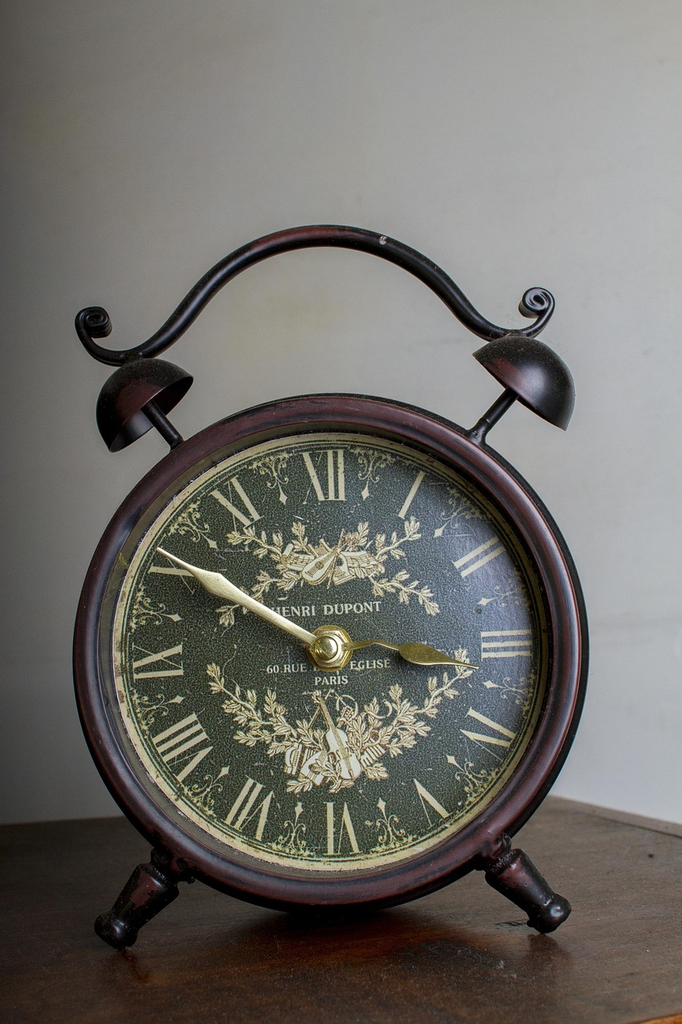
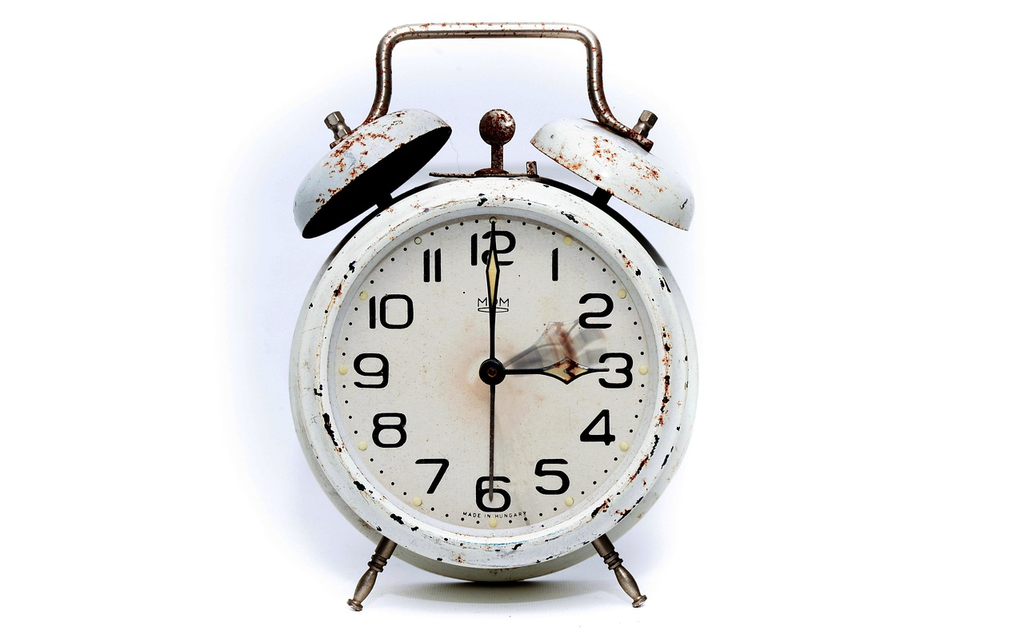
Analog clocks display time using moving hands on a numbered dial, with the hour, minute, and sometimes second hands pointing to numbers or marks. They require interpretation and are often seen as traditional. Digital clocks, on the other hand, show time with numerical digits, making them easy to read at a glance. Both are daily essentials, serving the same purpose but offering different visual and functional experiences for timekeeping.
Analog vs Digital Clocks+50
Analog clocks display time using moving hands on a numbered dial, with the hour, minute, and sometimes second hands pointing to numbers or marks. They require interpretation and are often seen as traditional. Digital clocks, on the other hand, show time with numerical digits, making them easy to read at a glance. Both are daily essentials, serving the same purpose but offering different visual and functional experiences for timekeeping.
💡 Key Takeaways
- How analog clocks use rotating hands to show hours and minutes.
- How digital clocks display time with numeric digits and 12/24-hour formats.
- Key differences in readability, accuracy, and learning time-telling.
- Common uses and limitations of analog vs digital clocks in everyday life.
❓ Frequently Asked Questions
What is the key difference between analog and digital clocks?
Analog clocks use rotating hands on a dial to show hours, minutes, and seconds; digital clocks display the time as numeric digits.
How do you read time on each type?
Analog: interpret the positions of the hour and minute hands (and the second hand if present). Digital: read the numeric digits, noting 12/24-hour format or AM/PM if shown.
Which type is faster to read for a quick sense of time?
Analog clocks give a quick approximate sense of time at a glance, while digital clocks provide exact hours and minutes (and seconds).
Do analog clocks show AM/PM or 24-hour time?
Traditional analog clocks display a 12-hour cycle without explicit AM/PM or 24-hour indicators; digital clocks can show 12-hour with AM/PM or 24-hour time depending on settings.