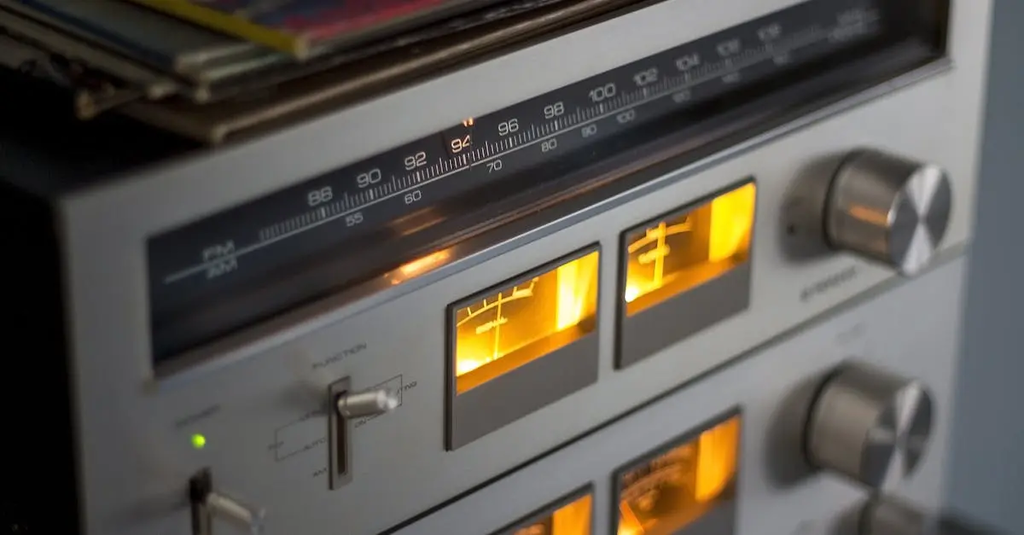
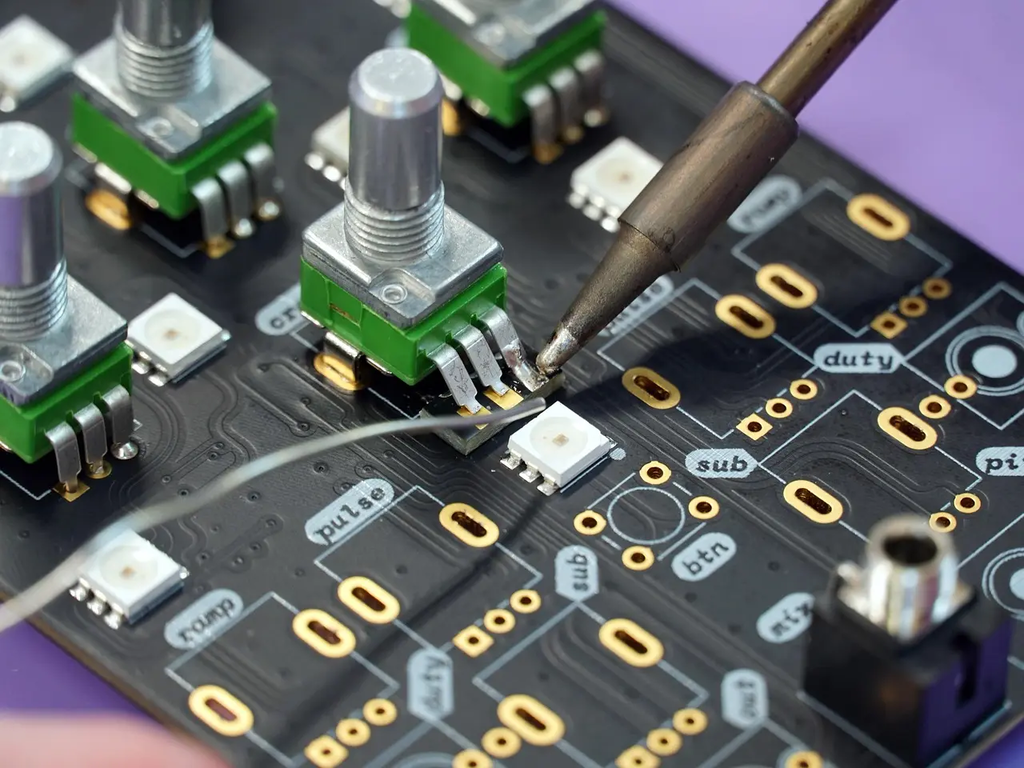
Analog signals are continuous waves that represent physical measurements, varying smoothly over time. They can have an infinite number of values within a range, making them susceptible to noise and distortion. Digital signals, on the other hand, represent data using discrete binary values (0s and 1s). They are less prone to interference, offer easier storage and processing, and are widely used in modern electronic devices and communication systems.
Analog vs Digital Signals
Analog signals are continuous waves that represent physical measurements, varying smoothly over time. They can have an infinite number of values within a range, making them susceptible to noise and distortion. Digital signals, on the other hand, represent data using discrete binary values (0s and 1s). They are less prone to interference, offer easier storage and processing, and are widely used in modern electronic devices and communication systems.

💡 Key Takeaways
- Understand the fundamental difference: analog signals are continuous in time and amplitude, while digital signals use discrete levels (0s and 1s).
- Learn how sampling, quantization, and encoding convert real-world analog signals into digital form.
- Compare noise and distortion: digital signals can be more robust to noise due to discrete levels and error correction, while analog signals can degrade continuously.
- Identify common examples and typical applications for analog vs digital signals (e.g., audio, sensors, communications).
- Learn the basics of A/D and D/A conversion and how bandwidth, sampling rate, and resolution affect signal quality.
❓ Frequently Asked Questions
What is an analog signal?
An analog signal is a continuous-time signal that can take any value within a range and changes smoothly over time, representing information with a continuous waveform.
What is a digital signal?
A digital signal is a discrete-time signal that uses a finite set of values (often binary 0 and 1) to encode information in steps.
How do analog and digital signals differ in terms of noise and accuracy?
Analog signals can be more precise but degrade with noise and distortion; digital signals are more robust to noise and easier to reproduce, though accuracy depends on sampling and quantization.
Where are analog and digital signals commonly used?
Analog: natural signals like audio from microphones and radio waves; Digital: computer data, CDs/MP3s, digital communications and sensors.
How does analog-to-digital conversion work?
An A/D converter samples the analog signal at regular intervals and quantizes each sample to a fixed digital value; a digital-to-analog converter reconstructs a continuous signal from those values.