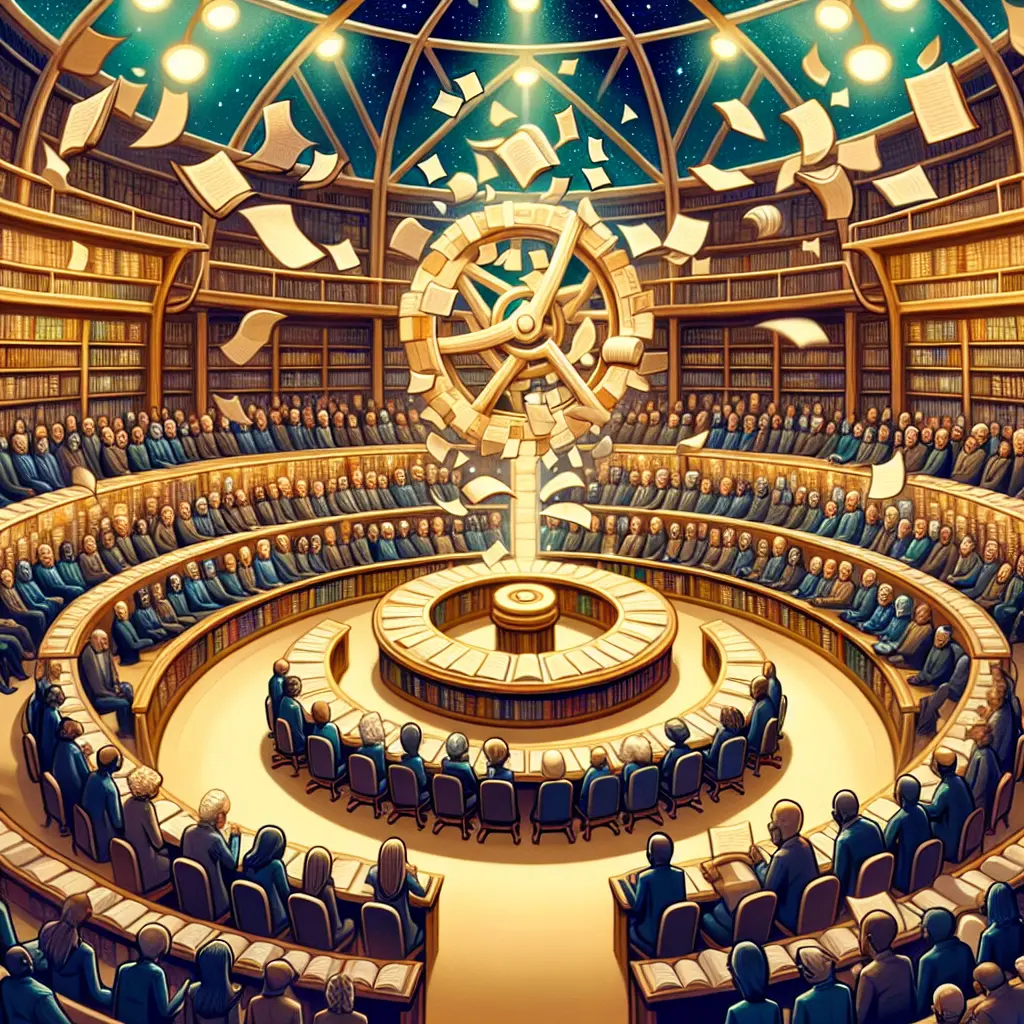
Analyzing genre mashups involves examining how elements from different musical or artistic genres are combined to create a unique work. This process explores the blending of styles, techniques, and conventions from each genre, assessing how they interact and complement each other. The analysis may focus on the effectiveness of the fusion, the innovation it brings, and its impact on audience perception, highlighting both the challenges and creative opportunities presented by genre mashups.
Analyzing Genre Mashups
Analyzing genre mashups involves examining how elements from different musical or artistic genres are combined to create a unique work. This process explores the blending of styles, techniques, and conventions from each genre, assessing how they interact and complement each other. The analysis may focus on the effectiveness of the fusion, the innovation it brings, and its impact on audience perception, highlighting both the challenges and creative opportunities presented by genre mashups.
💡 Key Takeaways
- Identify the mixed genres and what each brings to the story.
- Examine how genre blending changes tone, pacing, and narrative structure.
- Analyze the techniques used to fuse genres (tropes, worldbuilding, conventions).
- Evaluate how the mashup meets or subverts reader expectations and its impact on interpretation.
❓ Frequently Asked Questions
What is a genre mashup in books?
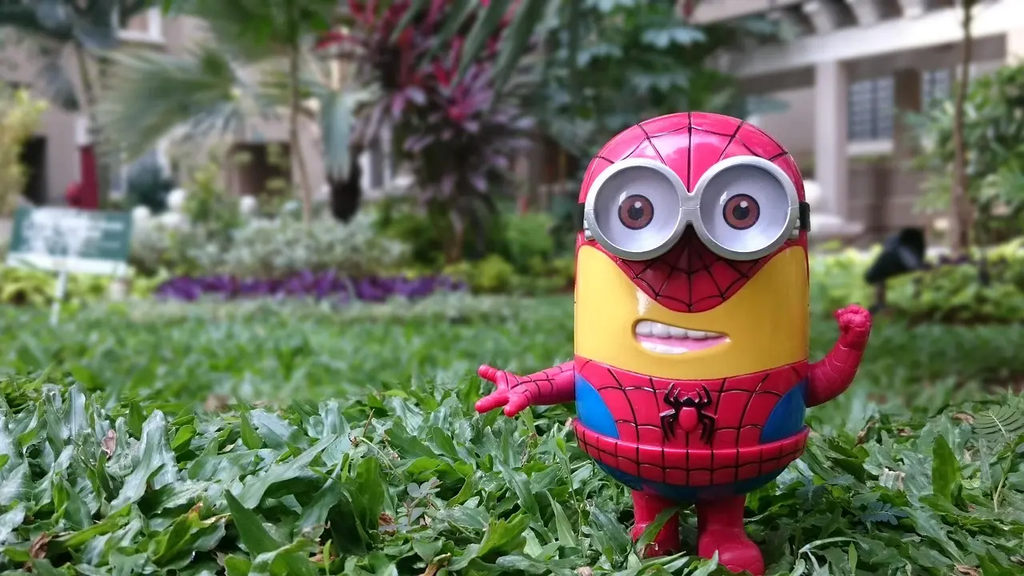
A genre mashup in literature blends elements from two or more genres (for example, mystery and fantasy) to create a single story that combines conventions like plot devices, worldbuilding, tone, and pacing.
How is a mashup different from a cross-genre work or a pastiche?
A mashup intentionally merges distinct genres within one narrative, whereas a cross-genre work spans multiple genres without a single, unified blend, and a pastiche imitates another author's or genre's style without blending its core conventions.
What should you look for when analyzing a genre mashup in a book?
Look for how elements from each genre interact: the shared and conflicting conventions, how the setting and tone support both genres, whether the plot weaves the genres smoothly, and if the blending serves the book's themes.
Why do authors use genre mashups?
Authors use mashups to create novelty, appeal to readers across multiple genres, explore new ideas, and provoke fresh interpretations by contrasting or combining familiar conventions.