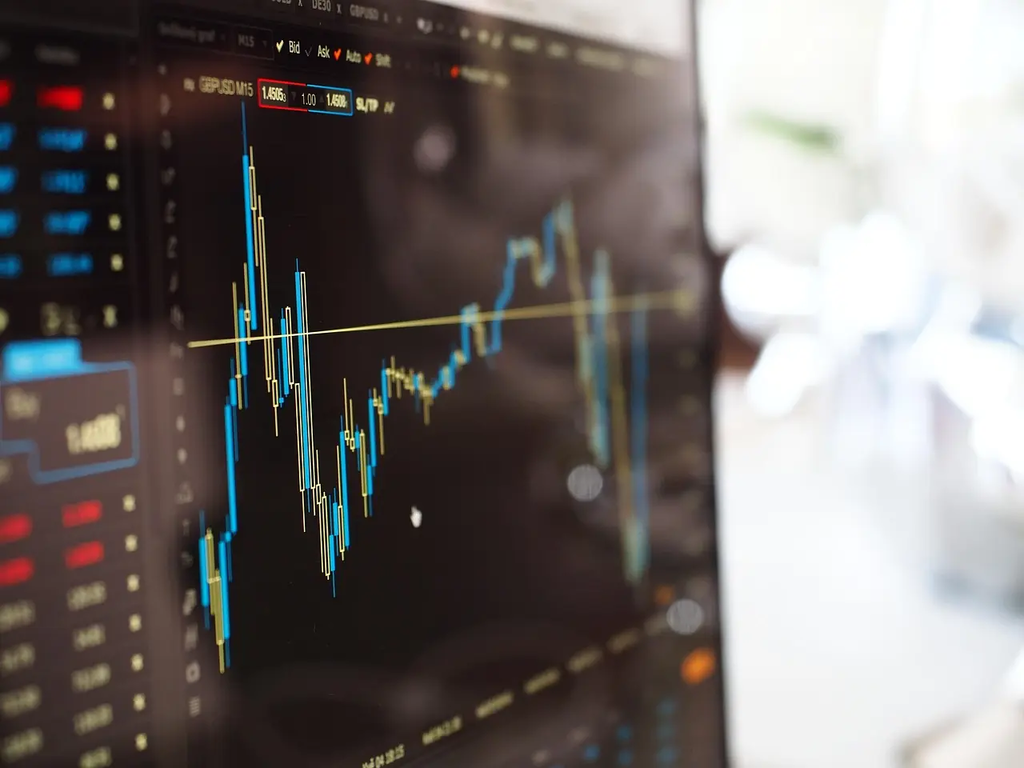
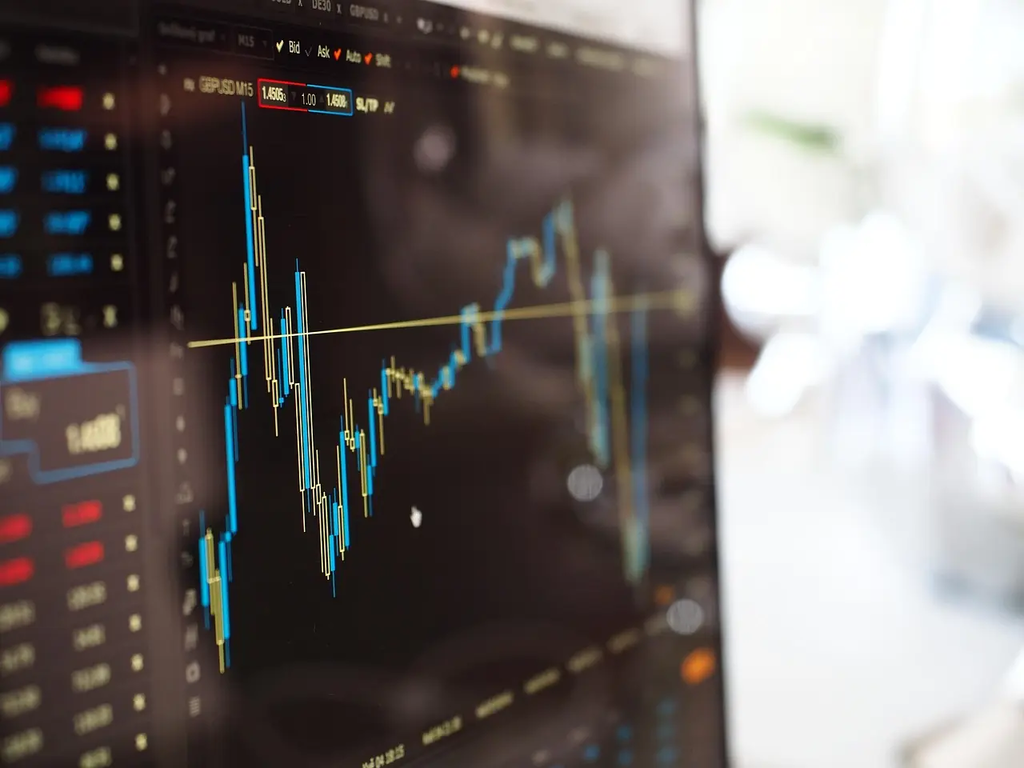
Analyzing stock market volatility indices in US markets involves examining measures like the VIX, which reflect investor sentiment and expected market fluctuations. These indices gauge the market's anticipation of future volatility, often rising during periods of uncertainty or economic stress. By studying volatility indices, investors and analysts can assess risk levels, forecast potential market movements, and develop strategies to hedge portfolios or capitalize on changing market conditions.
Analyzing Stock Market Volatility Indices
Analyzing stock market volatility indices in US markets involves examining measures like the VIX, which reflect investor sentiment and expected market fluctuations. These indices gauge the market's anticipation of future volatility, often rising during periods of uncertainty or economic stress. By studying volatility indices, investors and analysts can assess risk levels, forecast potential market movements, and develop strategies to hedge portfolios or capitalize on changing market conditions.
💡 Key Takeaways
- Understand what volatility indices measure (implied volatility from options) and why the VIX is considered a 'fear gauge' for the market.
- Learn how to read a volatility index: higher values signal expected greater near-term volatility and can reflect market stress.
- Distinguish implied volatility indices from realized volatility and be aware of their limitations as predictive tools.
- Explore practical uses such as hedging, risk management, and interpreting volatility futures and term structure to inform strategy.
❓ Frequently Asked Questions
What is a stock market volatility index?
A measure of the market's expected volatility over the next 30 days, derived from options prices. The best known is the VIX for the S&P 500, often called the 'fear gauge'.
How is the VIX calculated?
From a wide set of S&P 500 options to infer implied volatility, using near-term option prices. It represents annualized percent moves and is forward-looking rather than a past-price measure.
What does a rising volatility index imply for investors?
Increased market uncertainty and potential for larger price swings. High VIX often accompanies declines in stocks and can signal hedging opportunities, but it does not predict direction.
Are there other volatility indices besides the VIX, and how do they differ?
Yes. Other indices include VXN (Nasdaq-100 volatility), sector/asset-specific indices, and VIX futures. They reflect volatility expectations for different benchmarks or time horizons; futures curves show market expectations of future volatility.