Anatomy in clinical practice refers to the application of anatomical knowledge to diagnose, treat, and manage patient conditions in healthcare and medicine careers. Understanding human anatomy enables healthcare professionals to interpret symptoms, perform physical examinations, conduct surgical procedures, and utilize medical imaging effectively. Mastery of anatomy is fundamental for doctors, nurses, physiotherapists, and other clinicians to ensure safe and accurate patient care, making it a cornerstone of medical education and practice.
Anatomy in Clinical Practice+50
Anatomy in clinical practice refers to the application of anatomical knowledge to diagnose, treat, and manage patient conditions in healthcare and medicine careers. Understanding human anatomy enables healthcare professionals to interpret symptoms, perform physical examinations, conduct surgical procedures, and utilize medical imaging effectively. Mastery of anatomy is fundamental for doctors, nurses, physiotherapists, and other clinicians to ensure safe and accurate patient care, making it a cornerstone of medical education and practice.
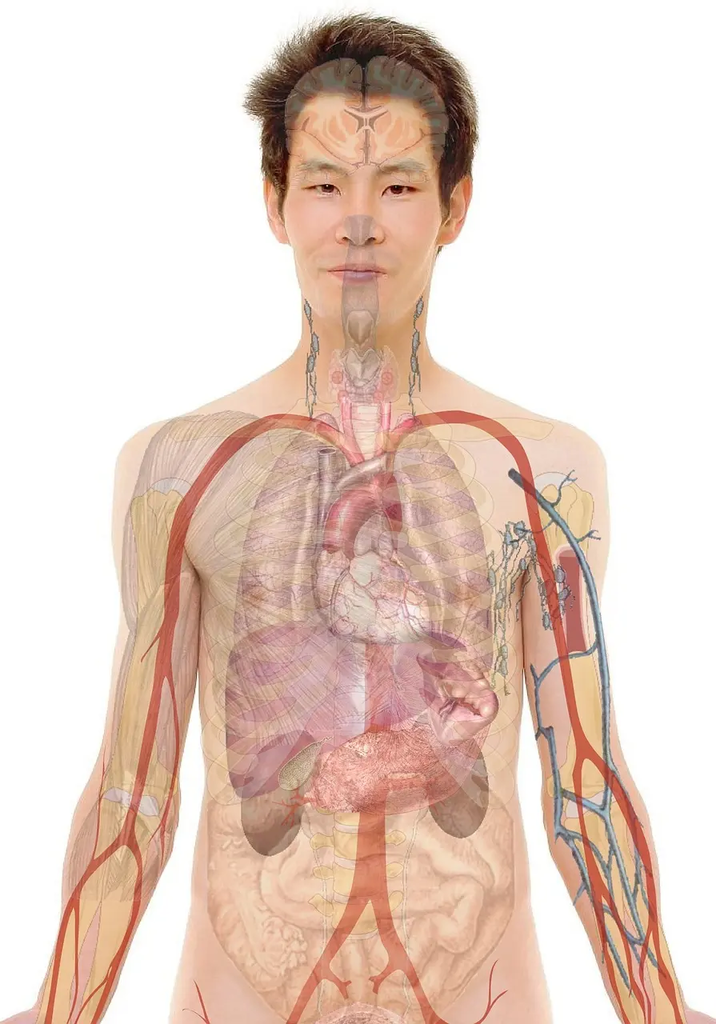
💡 Key Takeaways
- Identify major anatomical regions and their clinical significance during patient assessment and procedures.
- Use standard anatomical terminology and planes (sagittal, coronal, transverse) to describe findings.
- Relate anatomical structures to their functions to explain common clinical presentations.
- Identify surface landmarks and their relevance for physical examination, injections, and imaging.
❓ Frequently Asked Questions
What is anatomy in clinical practice?
Anatomy in clinical practice is the practical study of body structure as it relates to patient care—knowing where organs and tissues lie, how they relate to one another, and how this helps with exams, imaging, and procedures.
How does clinical anatomy differ from traditional anatomy?
Traditional anatomy describes structure; clinical anatomy emphasizes how anatomy informs diagnosis, treatment, and procedures, including common variations seen in patients.
What are the key planes and directional terms used in exams?
Planes: sagittal (left-right), frontal/coronal (front-back), transverse (up-down). Terms: anterior/ventral, posterior/dorsal, superior/cranial, inferior/caudal, medial/lateral, proximal/distal, and superficial/deep.
Why is anatomical variation important in clinical practice?
Variations are common and can affect diagnosis, imaging interpretation, surgical planning, and anesthesia; clinicians must recognize and adapt to non-standard anatomy.