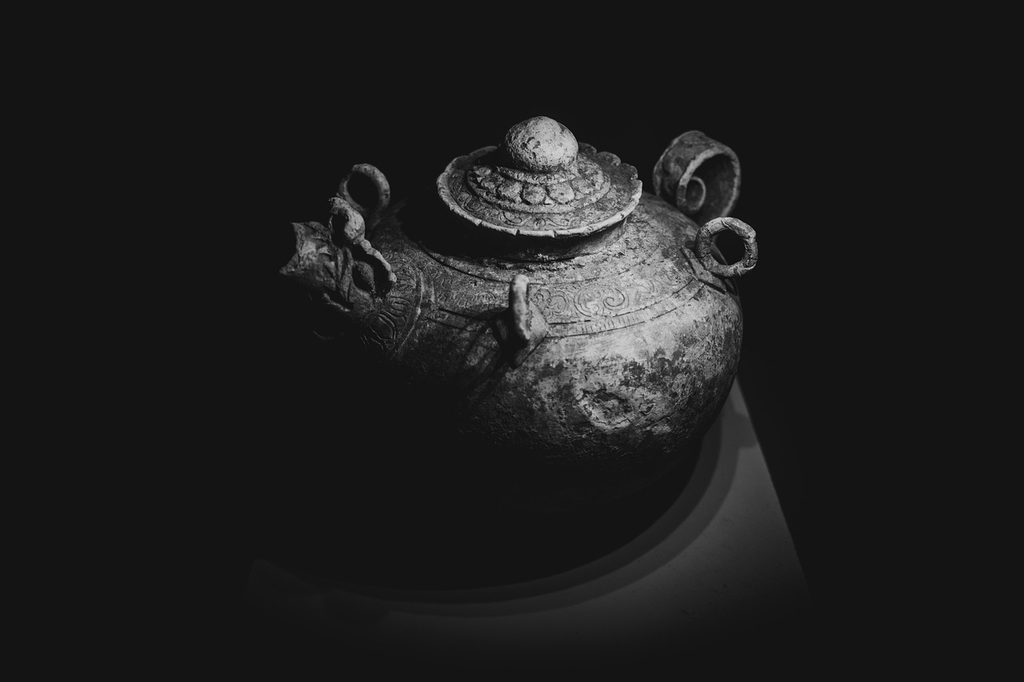
"Ancient Artifacts (Guess by Image)" refers to a visual game or activity where participants are shown images of historical objects from past civilizations. The challenge is to identify, name, or guess the artifact’s origin, purpose, or cultural significance based solely on its appearance. This activity encourages learning about history, archaeology, and ancient cultures, making it both educational and engaging for participants interested in the mysteries of the past.
Ancient Artifacts
"Ancient Artifacts (Guess by Image)" refers to a visual game or activity where participants are shown images of historical objects from past civilizations. The challenge is to identify, name, or guess the artifact’s origin, purpose, or cultural significance based solely on its appearance. This activity encourages learning about history, archaeology, and ancient cultures, making it both educational and engaging for participants interested in the mysteries of the past.
💡 Key Takeaways
- Identify common types of ancient artifacts (pottery, tools, inscriptions) and what they reveal about past cultures.
- Learn basic dating and analysis methods used to place artifacts in time (stratigraphy, radiocarbon dating, typology).
- Understand how artifacts illuminate daily life, trade, and cultural exchange in ancient societies.
- Recognize preservation challenges and ethical considerations in archaeology to protect artifacts for future study.
❓ Frequently Asked Questions
What counts as an ancient artifact?
An object created or modified by humans in the past that helps us learn about past cultures. Artifacts are portable and include tools, pottery, ornaments, inscriptions, and similar items.
How do archaeologists date ancient artifacts?
Dating uses relative methods (stratigraphy, typology) to place artifacts in sequence, and absolute methods (radiocarbon dating, dendrochronology, etc.) to assign actual calendar ages.
What can artifacts reveal about ancient people?
They show technology and daily life (tools, utensils), trade and culture (pottery, beads), language and governance (inscriptions), and beliefs through art and ritual objects.
Why is the artifact's context important?
Context (where and when it was found) establishes provenance and meaning. Without it, interpretations can be misleading or inaccurate.