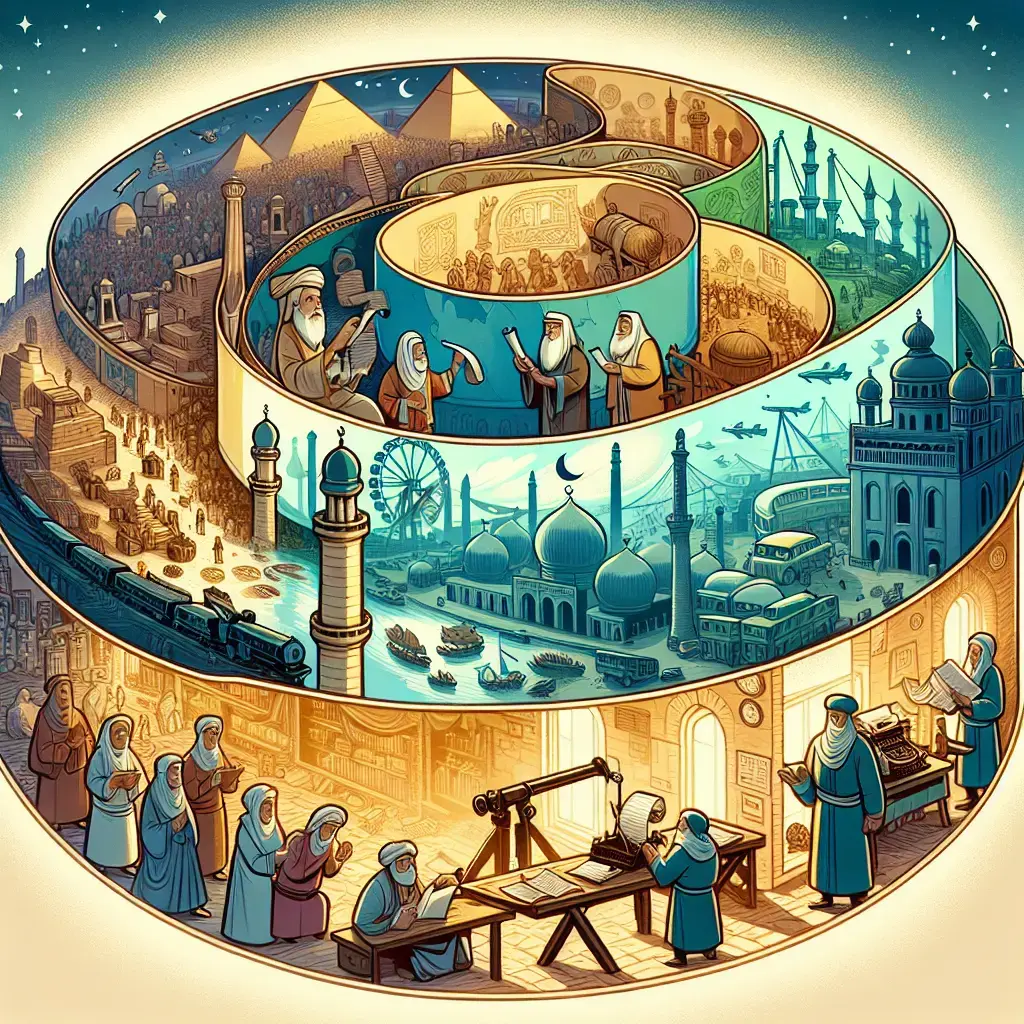
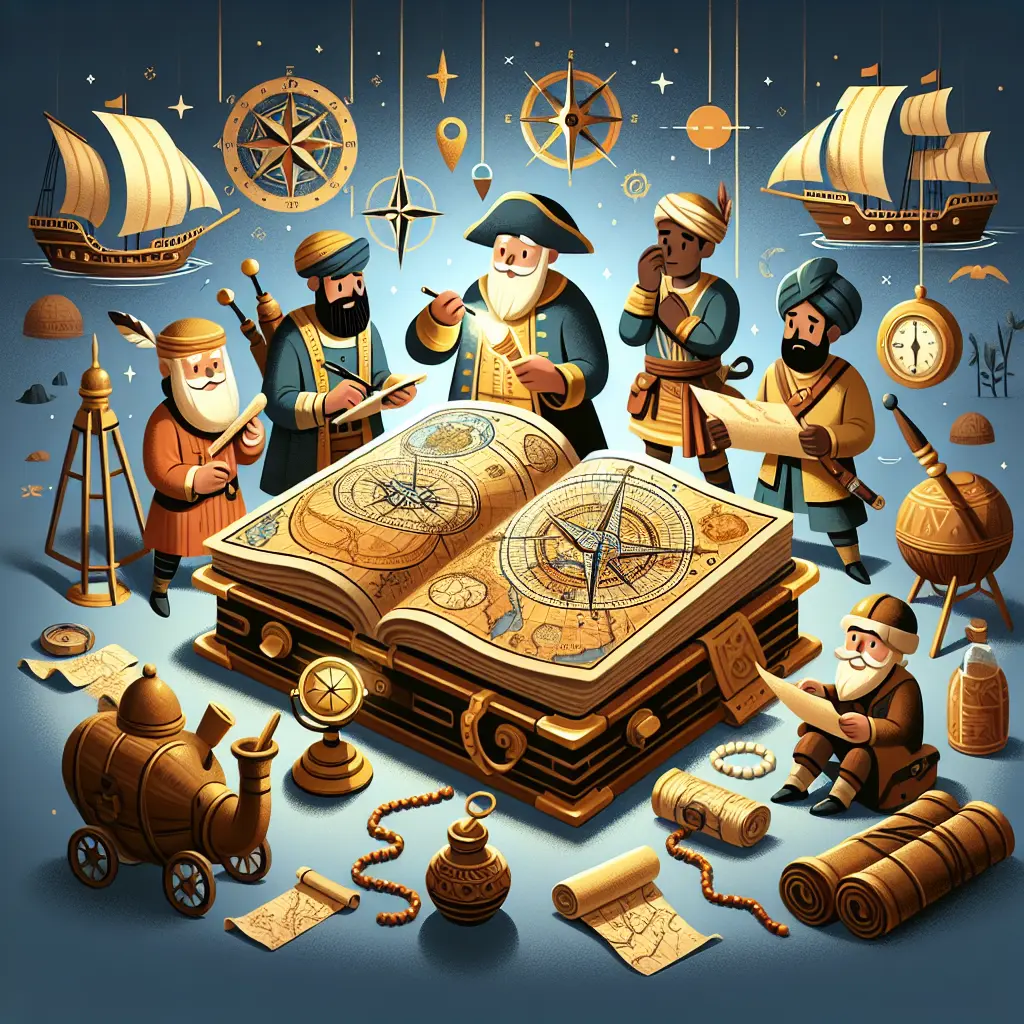
This phrase refers to a focused educational approach where students closely examine texts and artifacts related to ancient civilizations. Through close reading, learners analyze primary and secondary sources to extract detailed information and context. Source analysis involves evaluating the reliability, perspective, and significance of these materials. By gathering and interpreting evidence, students develop a deeper understanding of ancient societies, their cultures, beliefs, and historical impact, while also honing critical thinking and analytical skills.
Ancient Civilizations: Close Reading, Source Analysis & Evidence
This phrase refers to a focused educational approach where students closely examine texts and artifacts related to ancient civilizations. Through close reading, learners analyze primary and secondary sources to extract detailed information and context. Source analysis involves evaluating the reliability, perspective, and significance of these materials. By gathering and interpreting evidence, students develop a deeper understanding of ancient societies, their cultures, beliefs, and historical impact, while also honing critical thinking and analytical skills.

💡 Key Takeaways
- Learn to perform close reading of ancient texts and artifacts to uncover details and context.
- Analyze and compare primary and secondary sources to interpret historical events and cultures.
- Evaluate reliability, bias, and perspective in historical evidence.
- Connect findings to broader world history and geographic context to explain civilizations' interactions.
❓ Frequently Asked Questions
What is close reading in the context of ancient civilizations?
Close reading is carefully analyzing texts and artifacts to understand their meaning, context, and bias—going beyond surface details to interpret purpose and significance.
What is source analysis?
Source analysis evaluates a source's origin, purpose, audience, and reliability, helping determine how trustworthy and useful it is for historical claims.
What is the difference between primary and secondary sources?
Primary sources are artifacts or documents from the time period (e.g., inscriptions, tools). Secondary sources are later analyses written by historians.
How do historians assess the reliability of ancient sources?
They consider who created the source, when and why, potential biases, corroboration with other evidence, and how the source fits with what is known from archaeology.
Why is geography relevant to studying ancient civilizations?
Geography affects resources, trade routes, climate, and interactions, helping explain where and why civilizations emerged and how they grew.