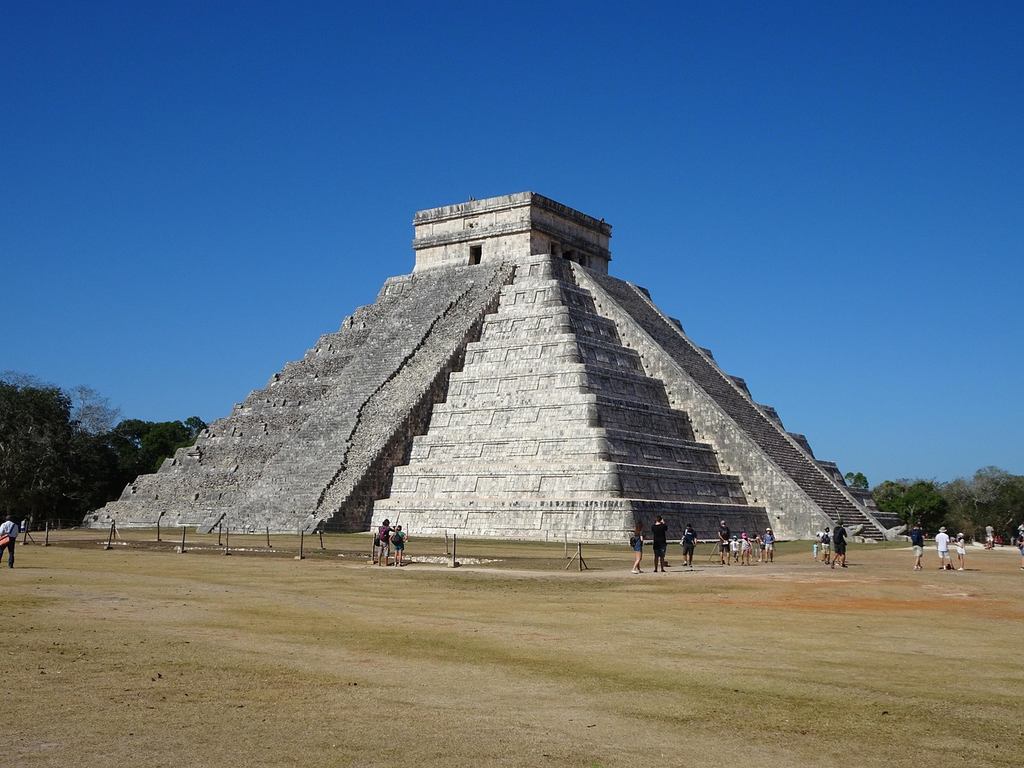
Ancient Civilizations (Guess by Image) is an engaging activity where participants view images depicting artifacts, architecture, or cultural symbols from various early societies such as Egypt, Mesopotamia, Greece, or the Maya. Using visual clues like pyramids, pottery, or inscriptions, individuals are challenged to identify which civilization is represented. This exercise enhances knowledge of world history, encourages observation skills, and fosters appreciation for the rich heritage and achievements of ancient peoples.
Ancient Civilizations
Ancient Civilizations (Guess by Image) is an engaging activity where participants view images depicting artifacts, architecture, or cultural symbols from various early societies such as Egypt, Mesopotamia, Greece, or the Maya. Using visual clues like pyramids, pottery, or inscriptions, individuals are challenged to identify which civilization is represented. This exercise enhances knowledge of world history, encourages observation skills, and fosters appreciation for the rich heritage and achievements of ancient peoples.
💡 Key Takeaways
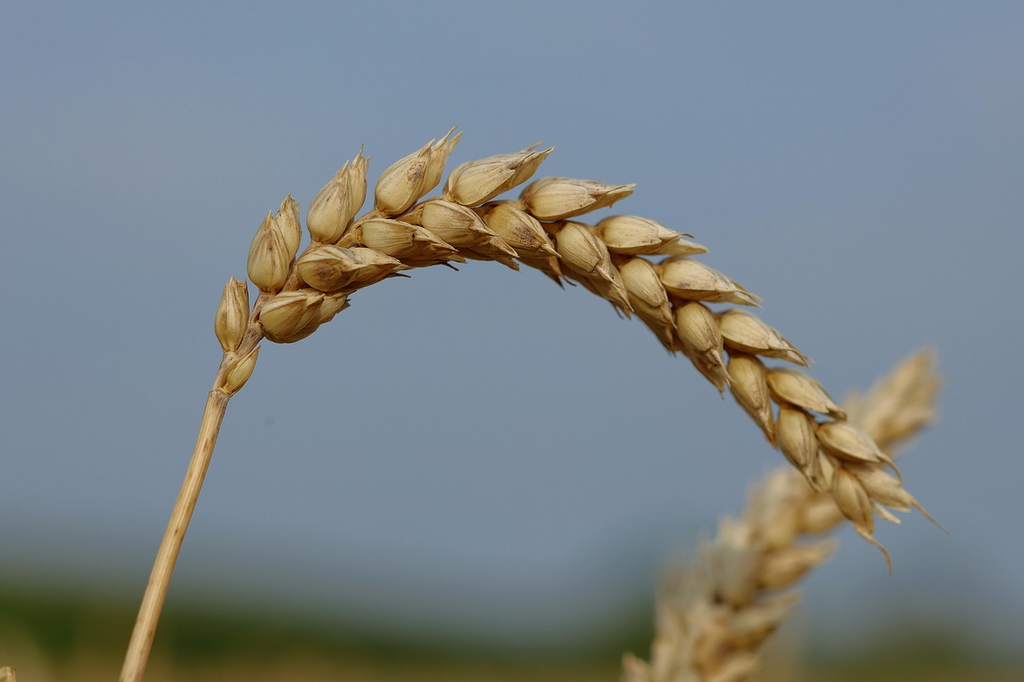
- Identify core features of ancient civilizations (agriculture, cities, writing, religion).
- Compare major civilizations (Mesopotamia, Egypt, Indus Valley, China) and where they arose.
- Explain how geography and resources shaped their growth and decline.
- Recognize the lasting legacies—law, writing, technology, and architecture—of ancient civilizations.
❓ Frequently Asked Questions
What defines an ancient civilization?
A society with organized government and institutions, urban centers, writing or record-keeping, specialized labor, and complex trade networks.
Which ancient civilizations are commonly studied in quizzes?
Mesopotamia (Tigris–Euphrates), Ancient Egypt, Indus Valley, Ancient China (Shang/ Zhou), and Mesoamerican/Andean cultures such as Olmecs, Maya, and Inca.
What are some hallmark achievements linked to ancient civilizations?
Development of writing, legal codes, monumental architecture, irrigation and agriculture, organized cities, and early advances in astronomy and mathematics.
How do historians and archaeologists study ancient civilizations?
By analyzing artifacts, inscriptions, ruins, and ancient texts, and using dating methods like radiocarbon dating to understand timelines and trade networks.