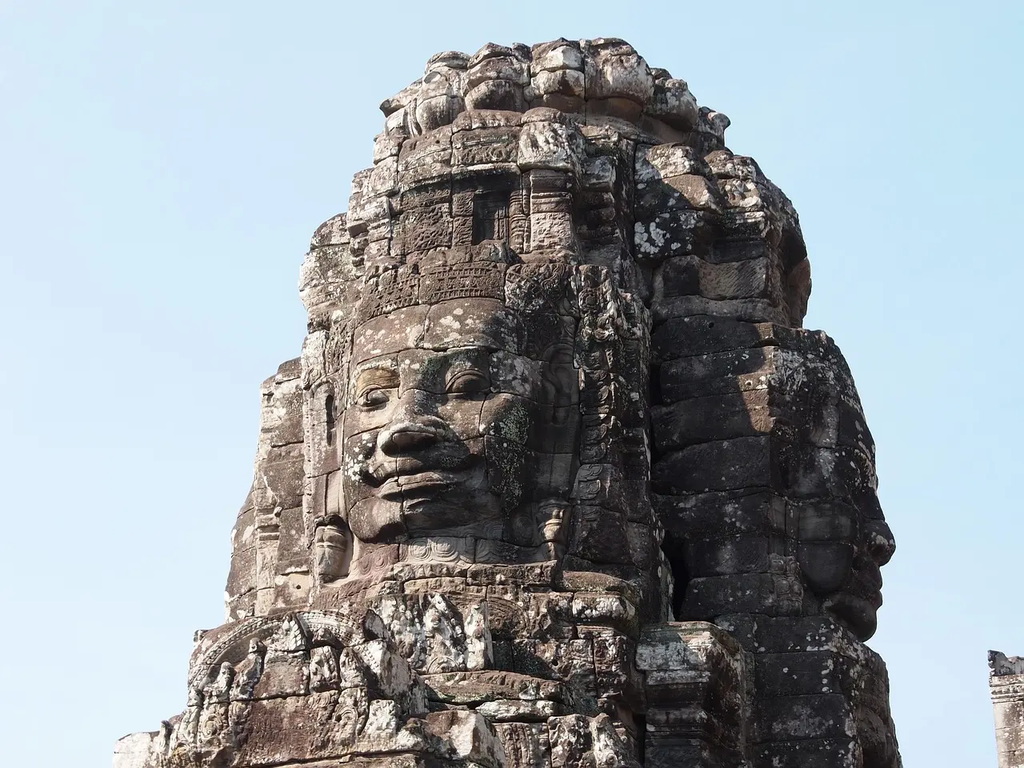
Angkor Wat is a vast temple complex in Cambodia, renowned as the largest religious monument in the world. Built in the 12th century by King Suryavarman II, it originally served as a Hindu temple before becoming Buddhist. Its intricate bas-reliefs, grand towers, and extensive galleries showcase remarkable Khmer architecture. Today, Angkor Wat stands as a symbol of Cambodia, attracting millions of visitors and representing both spiritual significance and architectural brilliance.
Angkor Wat
Angkor Wat is a vast temple complex in Cambodia, renowned as the largest religious monument in the world. Built in the 12th century by King Suryavarman II, it originally served as a Hindu temple before becoming Buddhist. Its intricate bas-reliefs, grand towers, and extensive galleries showcase remarkable Khmer architecture. Today, Angkor Wat stands as a symbol of Cambodia, attracting millions of visitors and representing both spiritual significance and architectural brilliance.
💡 Key Takeaways
- Understand the temple-mountain design and what the five central towers symbolize.
- Learn about Angkor Wat's origins in the Khmer Empire as a Hindu temple dedicated to Vishnu.
- Identify key architectural features: the surrounding moat, causeways, long galleries, and extensive bas-reliefs.
- Recognize the temple's historical evolution from Hindu shrine to Buddhist site and its enduring cultural significance.
❓ Frequently Asked Questions
What is Angkor Wat?
Angkor Wat is a sprawling temple complex in Cambodia built in the early 12th century as a Hindu temple dedicated to Vishnu by King Suryavarman II; today it is a Buddhist temple and a national symbol.
Where is Angkor Wat located?
It sits in Siem Reap Province, Cambodia, within the Angkor Archaeological Park near the town of Siem Reap.
When was Angkor Wat built and by whom?
It was built circa 1113–1150 CE by King Suryavarman II as a state temple to honor Vishnu and demonstrate royal power.
What are the key architectural features of Angkor Wat?
Khmer architecture featuring a five-tower central temple, a cruciform layout representing Mount Meru, surrounding galleries and bas-reliefs, and a surrounding moat.
Why is Angkor Wat significant today?
It is the largest religious monument in the world by area, a UNESCO World Heritage Site, and appears on the Cambodian national flag as a symbol of national pride.