Angkor Wat is a vast temple complex in Cambodia, renowned as the largest religious monument in the world. Originally built in the early 12th century for the Khmer Empire, it was dedicated to the Hindu god Vishnu before gradually transforming into a Buddhist site. Angkor Wat is famous for its grand architecture, intricate bas-reliefs, and symbolic design, attracting millions of travelers and historians who marvel at its historical and cultural significance.
Angkor Wat
Angkor Wat is a vast temple complex in Cambodia, renowned as the largest religious monument in the world. Originally built in the early 12th century for the Khmer Empire, it was dedicated to the Hindu god Vishnu before gradually transforming into a Buddhist site. Angkor Wat is famous for its grand architecture, intricate bas-reliefs, and symbolic design, attracting millions of travelers and historians who marvel at its historical and cultural significance.
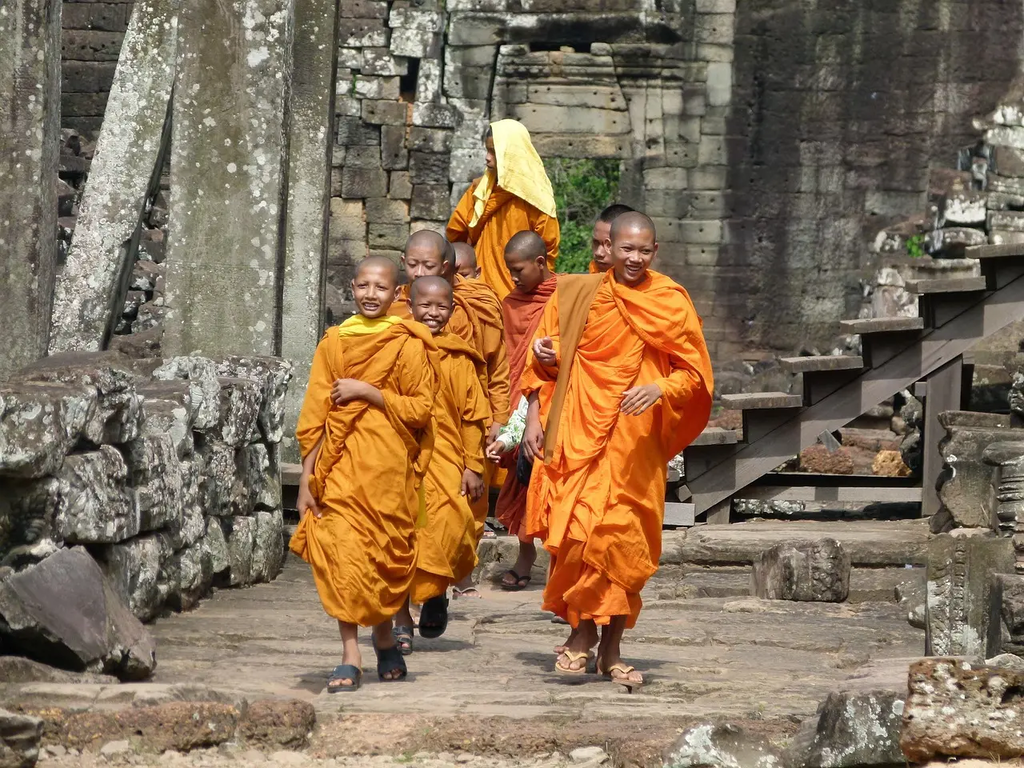
💡 Key Takeaways
- Understand when Angkor Wat was built and its original Hindu temple purpose.
- Identify key architectural features: five central towers, surrounding galleries, moat, and sandstone construction.
- Explore how Angkor Wat embodies Hindu cosmology and Khmer symbolism (e.g., Mount Meru).
- Note its later conversion to Buddhism and its UNESCO preservation status.
❓ Frequently Asked Questions
What is Angkor Wat?
Angkor Wat is a temple complex in Siem Reap, Cambodia; the largest religious monument in the world, built in the early 12th century as a Hindu temple dedicated to Vishnu and later a Buddhist temple.
Where is Angkor Wat located and what is Angkor Archaeological Park?
It sits in Siem Reap Province, Cambodia, within the Angkor Archaeological Park — a UNESCO World Heritage Site that contains many ancient temples.
What are distinctive architectural features of Angkor Wat?
A west-facing temple set in a large moat with five central towers representing Mount Meru; it features extensive sandstone bas-reliefs and ornate galleries.
When is the best time to visit Angkor Wat?
Dry season from roughly November to February, with cooler weather and clearer skies; sunrise is popular but can be crowded; dress modestly.
How is Angkor Wat related to the broader Angkor temple complex?
Angkor Wat is the main temple within the larger Angkor Archaeological Park, which contains many other temples and historic structures.