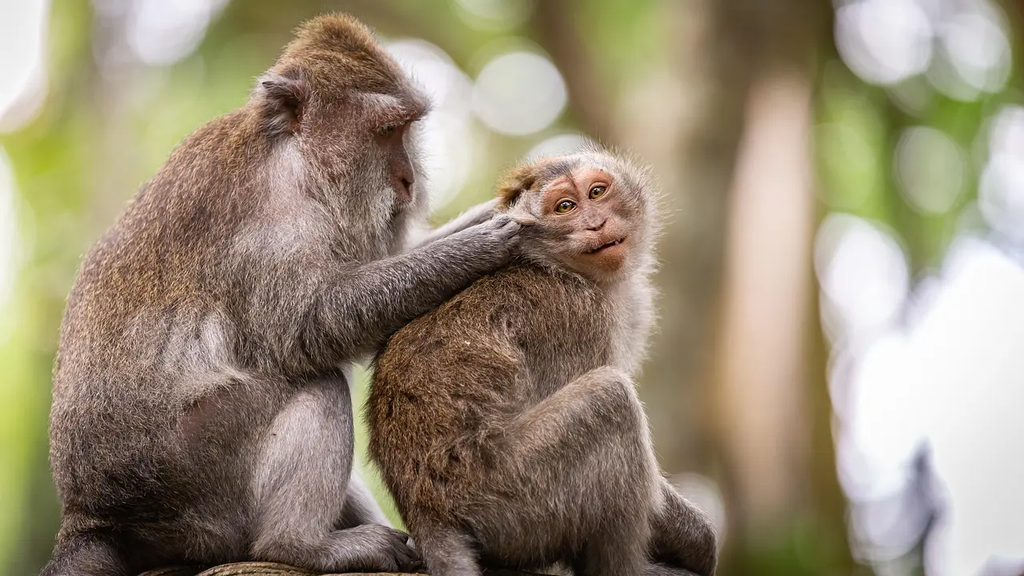
Animal altruism refers to the selfless behaviors exhibited by animals, where individuals help others at a potential cost to themselves. Examples include dolphins supporting injured companions, vampire bats sharing food, and meerkats standing guard to warn their group of danger. These acts, often puzzling at first glance, reveal nature’s intricate social bonds and survival strategies, highlighting that kindness and cooperation are not just human traits but are found throughout the animal kingdom.
Animal Altruism
Animal altruism refers to the selfless behaviors exhibited by animals, where individuals help others at a potential cost to themselves. Examples include dolphins supporting injured companions, vampire bats sharing food, and meerkats standing guard to warn their group of danger. These acts, often puzzling at first glance, reveal nature’s intricate social bonds and survival strategies, highlighting that kindness and cooperation are not just human traits but are found throughout the animal kingdom.

💡 Key Takeaways
- Understand what animal altruism is and how it differs from selfish behavior.
- Learn how kin selection and inclusive fitness explain why animals help relatives.
- Explore reciprocal altruism and the conditions needed for it to evolve.
- See real-world examples of altruism across species and what they reveal about social complexity.
- Recognize common research debates and alternative explanations for altruistic acts.
❓ Frequently Asked Questions
What is animal altruism?
A behavior that benefits another animal at a cost to the actor, without immediate personal gain. It can help relatives or others, especially when there is a chance of future reciprocity or indirect genetic benefits.
What are common examples of altruistic behavior in animals?
Alarm calls to warn group members; sharing food with kin or allies; alloparental care and cooperative breeding; coordinated hunting and defense.
What is kin selection (inclusive fitness) in animal altruism?
Altruism toward relatives can increase an individual's genetic success. Hamilton's rule (r × B > C) predicts when helping relatives is favored by evolution.
What is reciprocal altruism?
Helping others with the expectation of future repayment. It relies on stable social bonds and memory of past interactions.