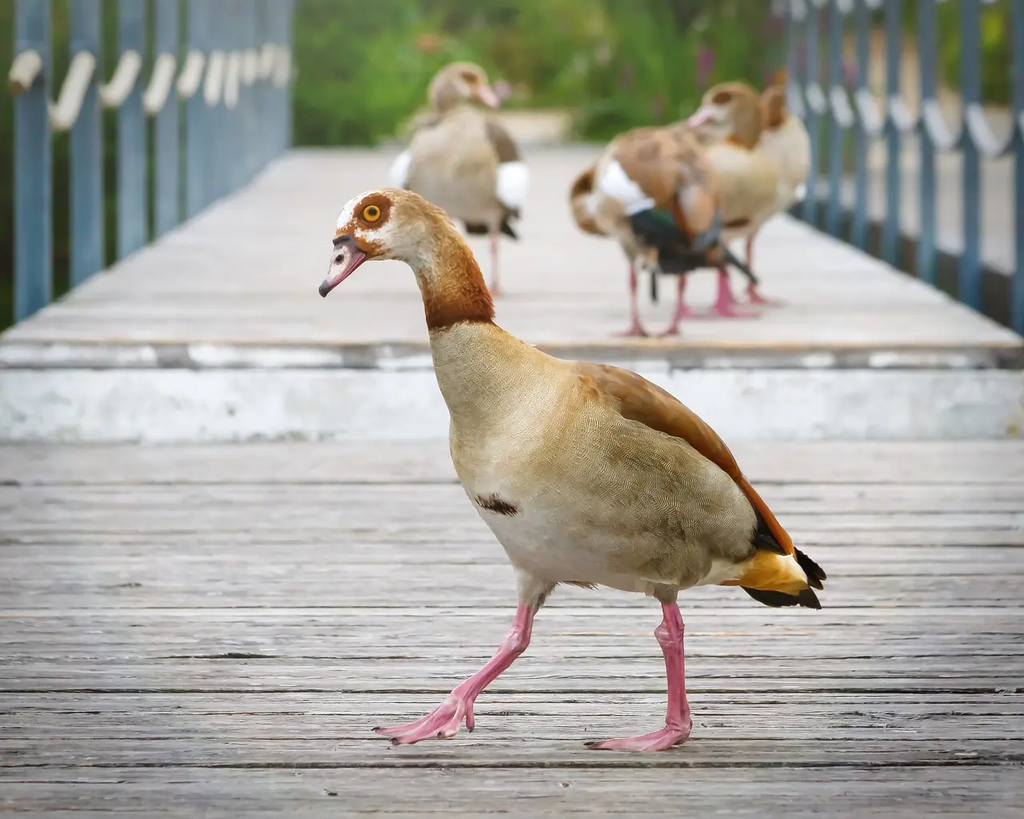
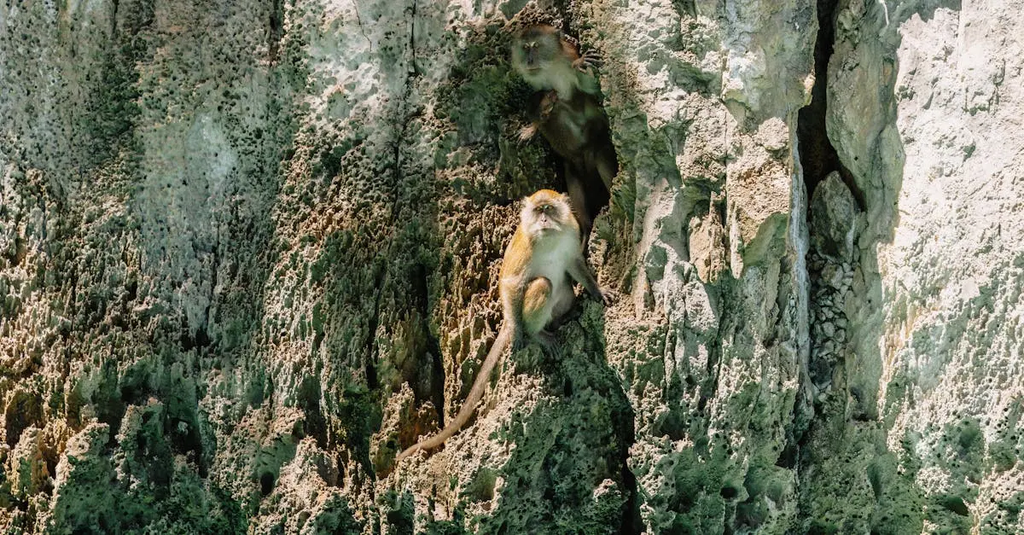
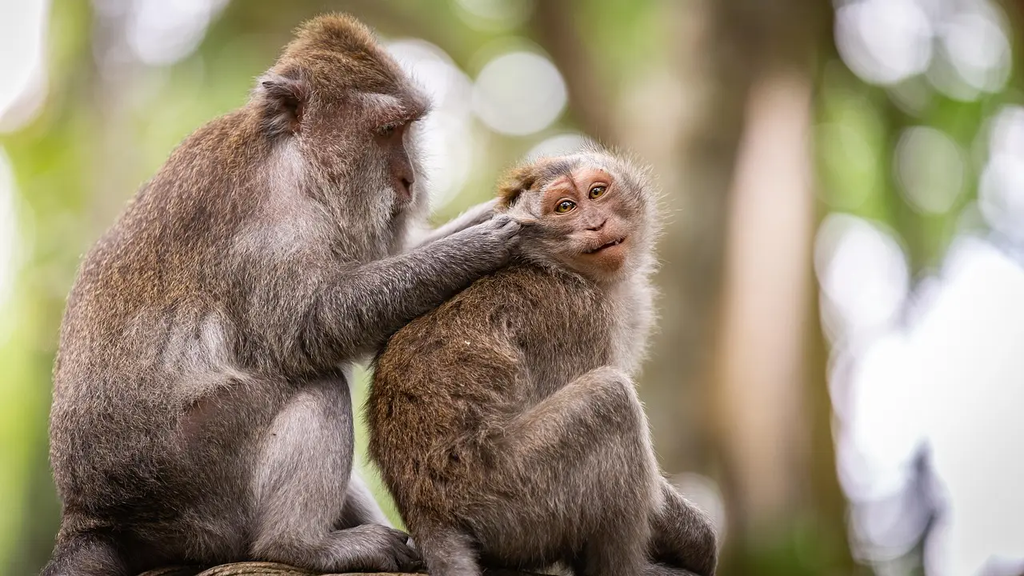
Animal Behavioral Economics explores how animals make decisions about resources, risks, and rewards in their natural environments. By studying these behaviors, scientists uncover fascinating strategies animals use to survive and thrive, such as foraging, cooperation, and competition. This field reveals surprising parallels between animal and human decision-making, highlighting nature’s wildest secrets and the complex intelligence behind animal actions, from clever problem-solving to intricate social interactions.
Animal Behavioral Economics
Animal Behavioral Economics explores how animals make decisions about resources, risks, and rewards in their natural environments. By studying these behaviors, scientists uncover fascinating strategies animals use to survive and thrive, such as foraging, cooperation, and competition. This field reveals surprising parallels between animal and human decision-making, highlighting nature’s wildest secrets and the complex intelligence behind animal actions, from clever problem-solving to intricate social interactions.
💡 Key Takeaways
- Understand how animals weigh costs and rewards to optimize foraging efficiency and survival.
- Explore how uncertainty influences risk preferences in animal decision‑making.
- Learn about delay of gratification and time discounting in animals.
- Get introduced to core experimental methods used in animal behavioral economics (e.g., choice tasks, reinforcement schedules).
❓ Frequently Asked Questions
What is animal behavioral economics?
A field that studies how animals make choices under risk, reward, and time pressures, using economic concepts to model decision rules across species.
How do researchers test risk preferences in animals?
They offer a choice between a sure reward and a gamble with a larger reward, varying the probability, to see whether the animal prefers certainty or risk.
What is delay discounting in animals?
The tendency to prefer smaller immediate rewards over larger delayed ones, used to study self-control and time-based decision making.
Why is animal behavioral economics useful?
It helps explain how animals allocate resources, informs welfare and conservation practices, and provides insights for designing algorithms that mimic natural decision strategies.