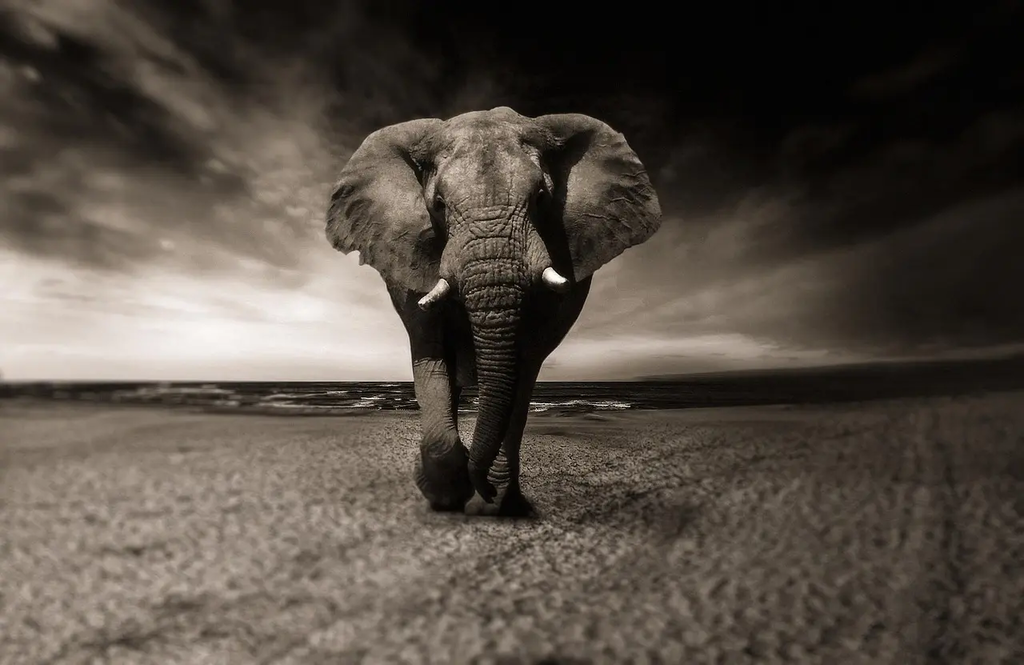
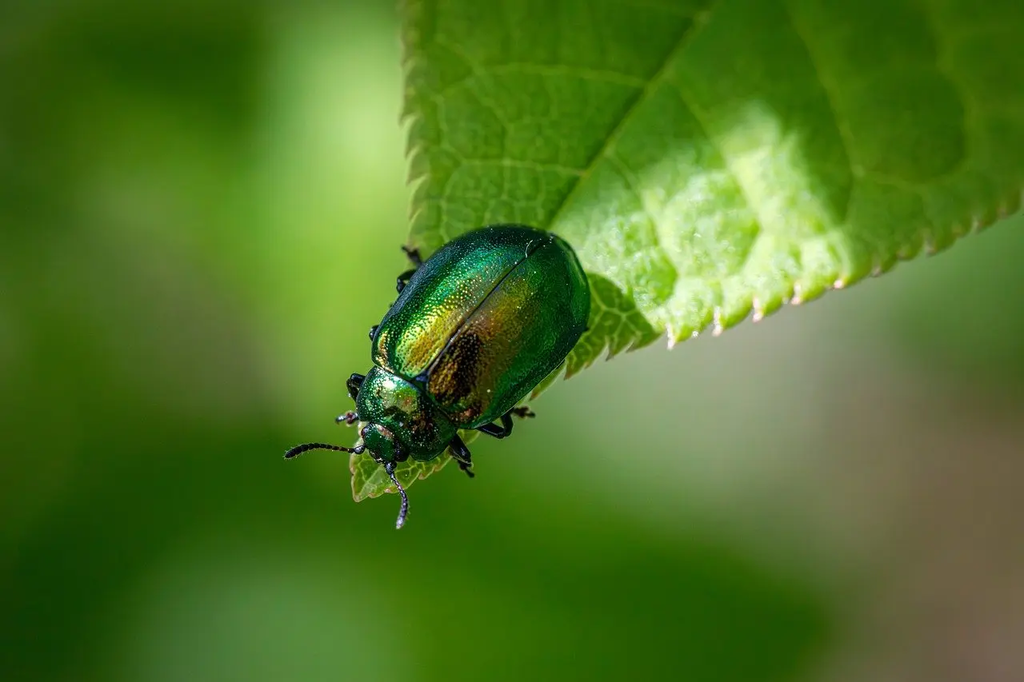
Animal biogeography is the study of how and why different animal species are distributed across various regions of the world. It explores the fascinating patterns of animal habitats, migrations, and adaptations to diverse environments. By examining these patterns, scientists uncover nature’s wildest secrets—such as why kangaroos are found only in Australia or how certain birds migrate thousands of miles—revealing the dynamic relationship between animals, geography, and evolution.
Animal Biogeography
Animal biogeography is the study of how and why different animal species are distributed across various regions of the world. It explores the fascinating patterns of animal habitats, migrations, and adaptations to diverse environments. By examining these patterns, scientists uncover nature’s wildest secrets—such as why kangaroos are found only in Australia or how certain birds migrate thousands of miles—revealing the dynamic relationship between animals, geography, and evolution.
💡 Key Takeaways
- Understand how geography and climate shape where animals live.
- Identify biogeographic realms and patterns of endemism.
- Explore island biogeography concepts, including island size and isolation effects on species richness.
- Learn methods used in animal biogeography (e.g., phylogeography and species distribution modeling) and their conservation implications.
❓ Frequently Asked Questions
What is animal biogeography?
The study of how and why animal species are distributed across the world, considering history, climate, and geography.
What factors influence where animals live?
Climate and habitat, geographic barriers (oceans, mountains), dispersal ability, and historical events like glaciations.
What is island biogeography?
A theory that island species richness results from a balance between colonization and extinction, influenced by island size and distance from the mainland.
What are biogeographic realms, and how are they used?
Large regions with distinct animal faunas; they help compare regional distributions and understand global patterns.