Animal bioluminescence is the natural ability of certain animals to produce and emit light through chemical reactions within their bodies. Found in creatures like jellyfish, fireflies, and some deep-sea fish, this glowing phenomenon helps them attract mates, lure prey, or deter predators. Bioluminescence creates stunning displays in nature, revealing fascinating adaptations and survival strategies among diverse animal species, making it one of nature’s wildest and most captivating secrets.
Animal Bioluminescence
Animal bioluminescence is the natural ability of certain animals to produce and emit light through chemical reactions within their bodies. Found in creatures like jellyfish, fireflies, and some deep-sea fish, this glowing phenomenon helps them attract mates, lure prey, or deter predators. Bioluminescence creates stunning displays in nature, revealing fascinating adaptations and survival strategies among diverse animal species, making it one of nature’s wildest and most captivating secrets.
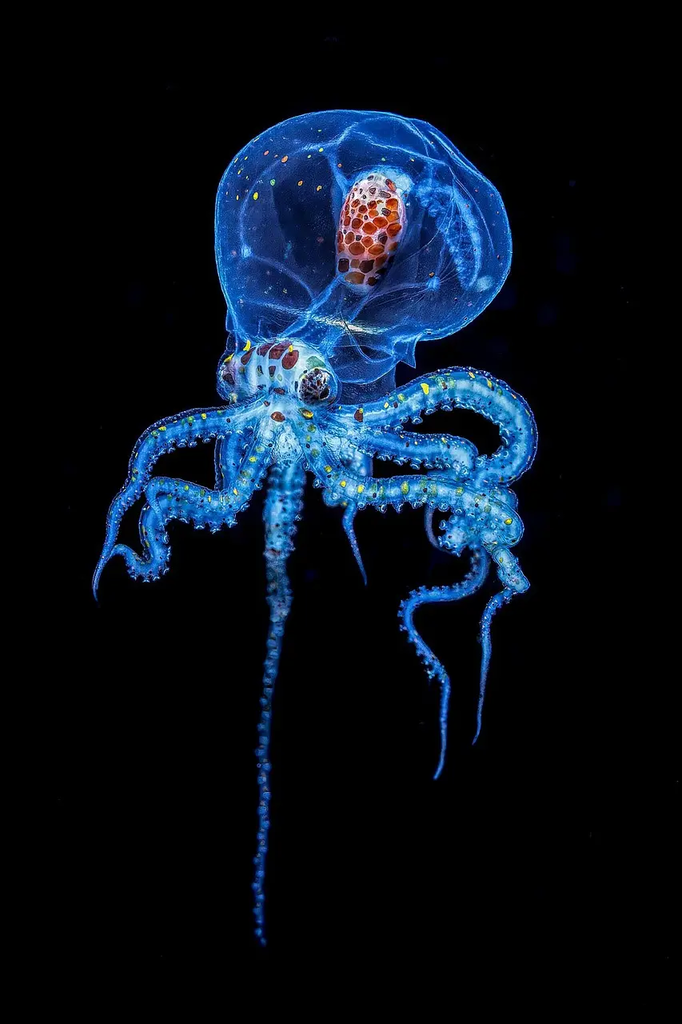
💡 Key Takeaways
- Define bioluminescence and how it differs from fluorescence and chemiluminescence.
- Understand the chemical basis (luciferin–luciferase reactions) and how organisms control light emission.
- Explore the ecological roles of bioluminescence in animals, such as predation, defense, mating, and camouflage.
- Identify iconic luminous organisms (e.g., fireflies, jellyfish, deep-sea anglerfish) and the habitats where they glow.
❓ Frequently Asked Questions
What is bioluminescence in animals?
Bioluminescence is the production and emission of light by living organisms through a chemical reaction, typically between luciferin and luciferase, often needing oxygen.
Why do bioluminescent animals glow?
Glow serves various purposes: camouflage, prey attraction, mate signaling, communication, or predator deterrence.
Where are bioluminescent animals found?
Most are in the deep ocean, but some land species like fireflies and glowworms also glow at night.
How do animals produce light?
Two main routes: endogenous light from luciferin–luciferase reactions (or photoproteins) inside the animal, and light produced by light organs with bioluminescent bacteria.