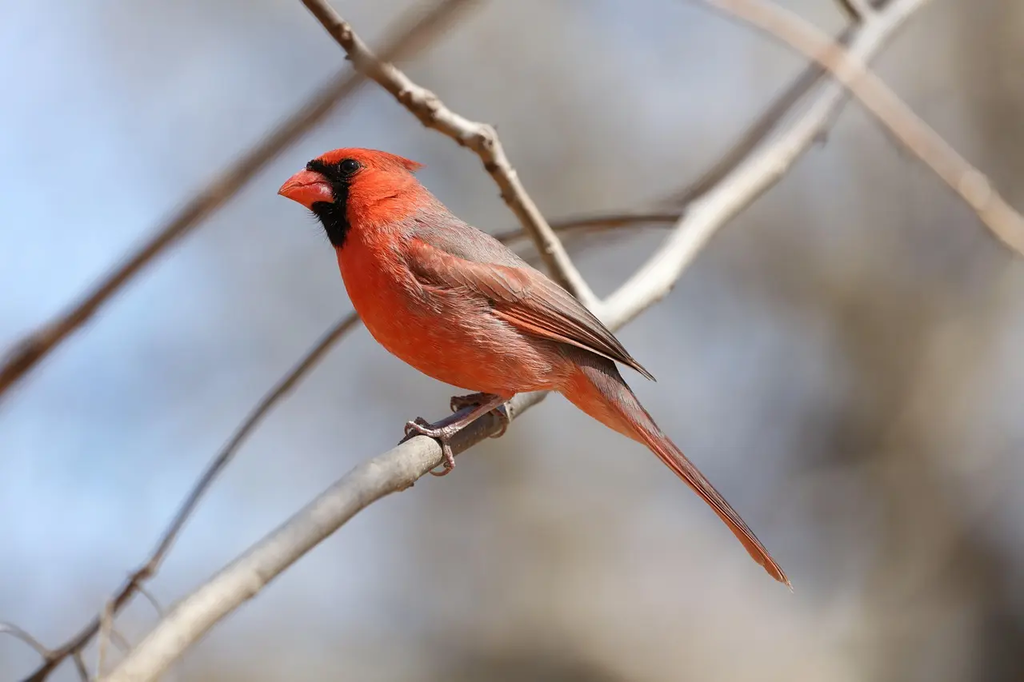
Animal colors and patterns serve many important purposes in nature. Bright colors can warn predators of danger, while camouflage helps animals blend into their surroundings to avoid being seen. Some species use bold patterns to confuse enemies or attract mates. These visual traits are shaped by evolution and help animals survive in their habitats. Animal colors and patterns reveal fascinating secrets about adaptation, communication, and survival in the wild.
Animal Colors and Patterns+50
Animal colors and patterns serve many important purposes in nature. Bright colors can warn predators of danger, while camouflage helps animals blend into their surroundings to avoid being seen. Some species use bold patterns to confuse enemies or attract mates. These visual traits are shaped by evolution and help animals survive in their habitats. Animal colors and patterns reveal fascinating secrets about adaptation, communication, and survival in the wild.
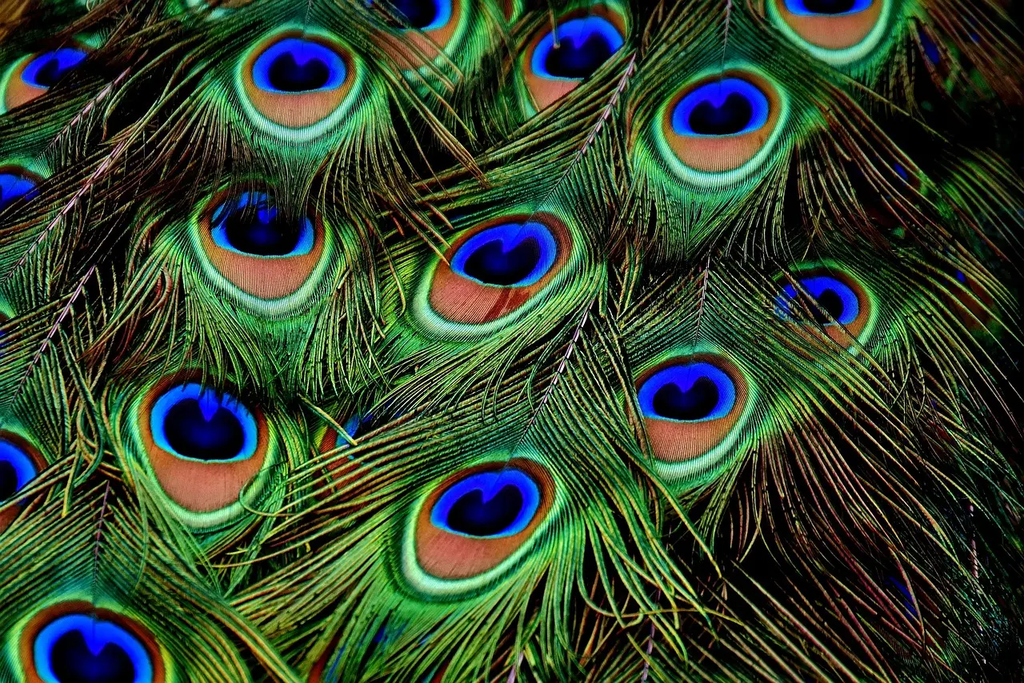
💡 Key Takeaways
- Understand how animal colors and patterns help with camouflage in different habitats.
- Learn how colors are produced (pigments vs. structural coloration) and how this affects appearance.
- Explore how colors and patterns serve as signals for predators, prey, and mates (e.g., warning colors and courtship).
- Identify common color patterns across animals and how genetics and environment influence their variation.
❓ Frequently Asked Questions
Why do animals have colors and patterns?
They help with camouflage, warn predators, attract mates, regulate temperature, and communicate with others.
What is camouflage and can you give examples?
Camouflage helps animals blend into their surroundings to avoid predators or ambush prey. Examples: a tiger’s stripes in tall grass, a leaf insect mimicking a leaf, or a polar bear blending with snow.
What are aposematic coloration and mimicry?
Aposematic coloration uses bright colors to warn predators of toxicity or danger; mimicry is when a harmless species imitates such patterns to deter predators (e.g., poison-dart frogs; the viceroy butterfly mimicking the monarch).
What is the difference between structural colors and pigments?
Pigments color tissues by absorbing certain wavelengths; structural colors arise from microscopic structures that reflect or interfere with light, often producing iridescence (e.g., blue butterfly wings).
Do animal colors ever change?
Yes. Some species, like chameleons and cephalopods, can actively change color for camouflage or signaling; others have fixed colors.