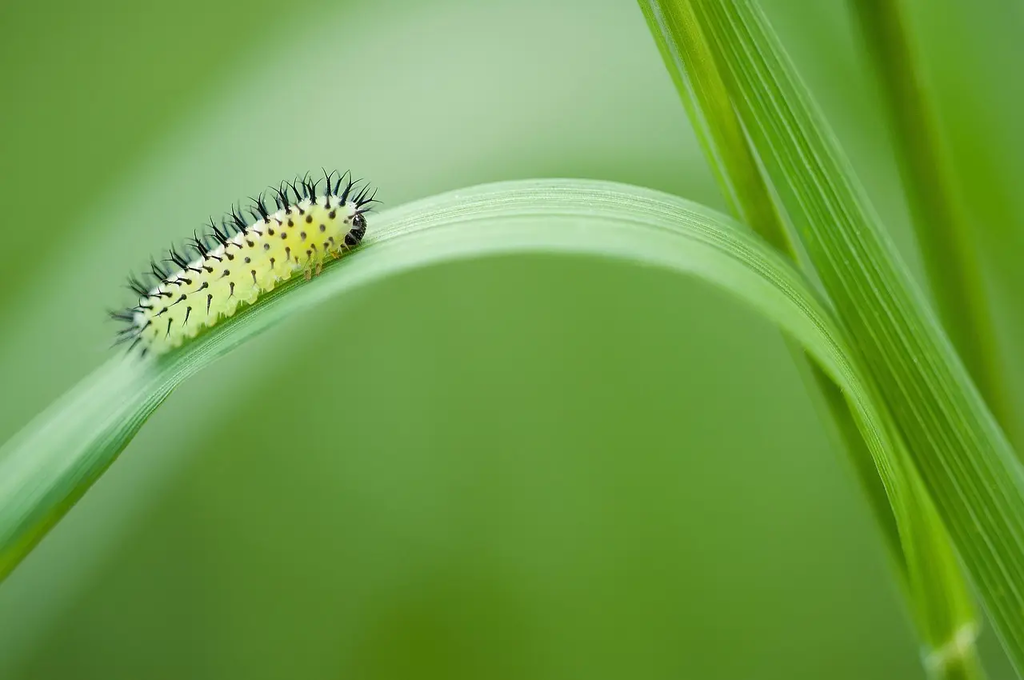
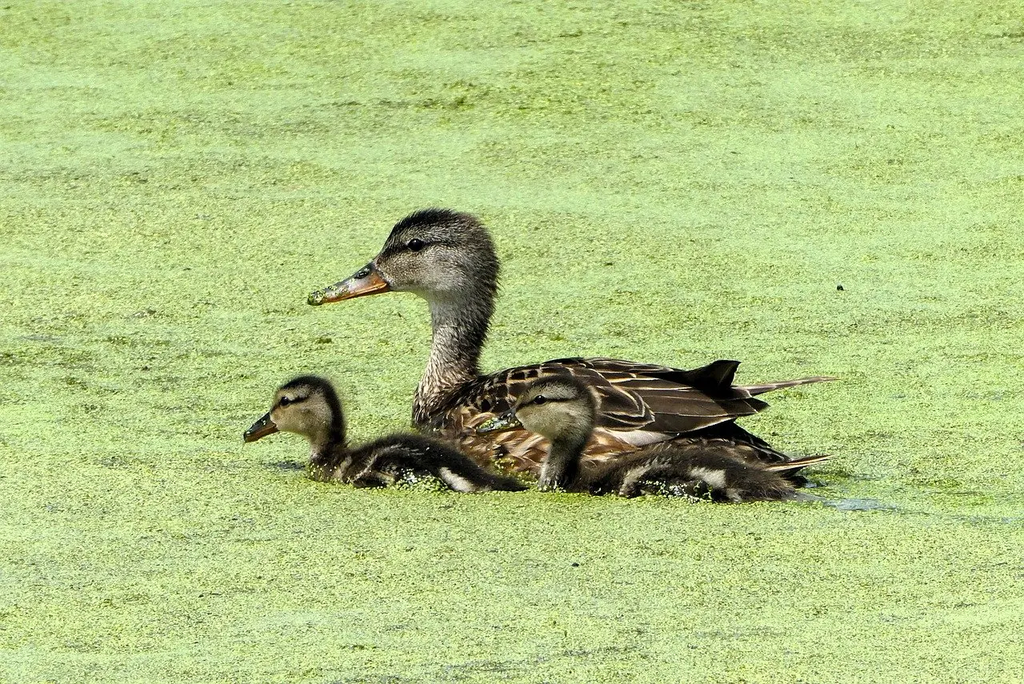
Animal defense mechanisms are fascinating adaptations that help creatures survive in the wild. These include camouflage, which allows animals to blend into their surroundings, and mimicry, where they imitate other species to avoid predators. Some animals use physical defenses like sharp spines or tough shells, while others employ chemical tactics such as spraying toxins or emitting foul odors. These diverse strategies reveal nature’s creativity in protecting animals from danger.
Animal Defense Mechanisms
Animal defense mechanisms are fascinating adaptations that help creatures survive in the wild. These include camouflage, which allows animals to blend into their surroundings, and mimicry, where they imitate other species to avoid predators. Some animals use physical defenses like sharp spines or tough shells, while others employ chemical tactics such as spraying toxins or emitting foul odors. These diverse strategies reveal nature’s creativity in protecting animals from danger.
💡 Key Takeaways
- Identify the main animal defense strategies (camouflage, mimicry, chemical defenses, physical armor, and behavioral tactics).
- Explain how camouflage and disruptive coloration help animals blend into their environment to avoid predators.
- Compare mimicry and warning coloration, with classic examples and how predators learn to avoid them.
- Describe common behavioral defenses (fleeing, freezing, playing dead) alongside chemical and physical defenses (toxins, spines, shells).
❓ Frequently Asked Questions
What are defense mechanisms in animals?
Strategies animals use to avoid predation or harm, including physical traits, chemical defenses, and behaviors.
What is camouflage and how does it help animals survive?
Camouflage helps an animal blend into its surroundings, making it harder for predators to detect.
What is aposematic coloration?
Bright or contrasting colors that warn predators that the animal is toxic, venomous, or unpalatable.
What is autotomy?
The voluntary shedding of a body part (like a tail) to escape a predator, with the part sometimes regrown later.
What is mimicry and how does it provide protection?
Mimicry is when a species resembles another to deter predators; Batesian mimicry uses a harmless species imitating a harmful one, while Müllerian mimicry involves several dangerous species sharing warning signals.