Animal echolocation is a fascinating natural ability where animals like bats, dolphins, and some birds use sound waves to navigate and hunt in their environment. By emitting calls and listening for the returning echoes, these animals can determine the location, size, and shape of objects around them, even in complete darkness. Echolocation helps them avoid obstacles, find food, and communicate, showcasing one of nature’s most remarkable survival strategies.
Animal Echolocation
Animal echolocation is a fascinating natural ability where animals like bats, dolphins, and some birds use sound waves to navigate and hunt in their environment. By emitting calls and listening for the returning echoes, these animals can determine the location, size, and shape of objects around them, even in complete darkness. Echolocation helps them avoid obstacles, find food, and communicate, showcasing one of nature’s most remarkable survival strategies.
💡 Key Takeaways
- Understand the basic concept of echolocation: animals emit sounds and listen for echoes to locate objects.
- Identify common echolocating animals (e.g., bats and dolphins) and the environments they use echolocation in (air vs water).
- Explain how echolocation helps with navigation, obstacle avoidance, and hunting in darkness or murky water.
- Differentiate echolocation from vision and other senses, recognizing how sound-based detection complements other senses.
❓ Frequently Asked Questions
What is echolocation in animals?
Echolocation is a biological sonar in which an animal emits sounds and listens for the returning echoes to determine location, distance, size, and texture of objects, even in darkness or murky water.
Which animals use echolocation?
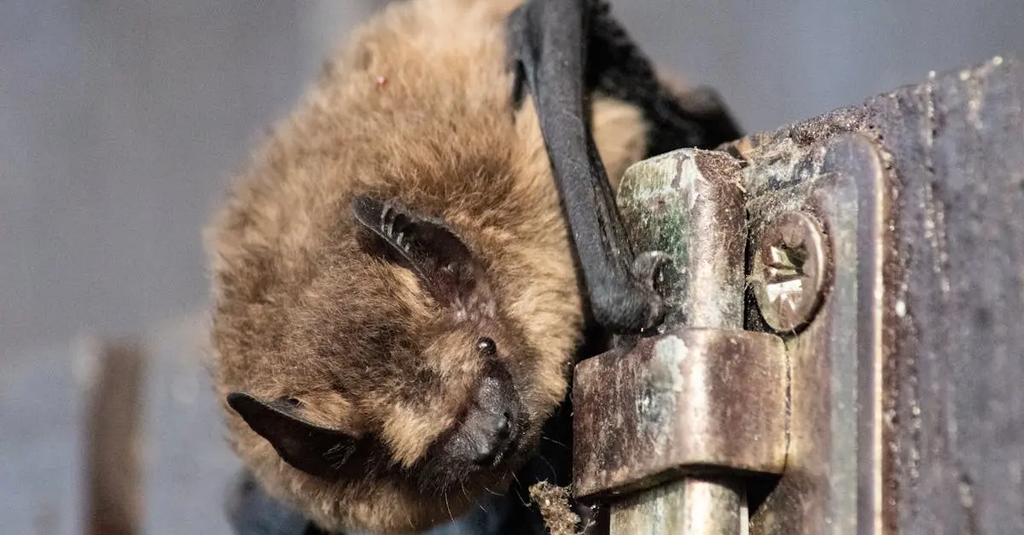
Bats and many dolphins and other toothed whales are well-known users; some shrews and certain cave-dwelling birds (e.g., oilbirds and swiftlets) also use echolocation.
How do echoes help animals judge distance and size?
The time between emitting a sound and receiving its echo gives distance; echo loudness, frequency, and changes help infer an object's size, shape, and texture.
How is echolocation different from vision?
Echolocation relies on sound and can work in darkness, fog, or murky water, while vision relies on light and varies with visibility, but many animals use both senses.
Can humans learn echolocation?
Yes. Some people can learn to click or produce sounds and interpret the resulting echoes to navigate their surroundings.